E-cigarettes have become a popular alternative to traditional smoking, but one question often arises: how much nicotine is in an e-cigarette? To understand this, we must first explore the different types of e-cigarettes and e-liquids available in the market. The amount of nicotine in e-cigarettes can widely vary, depending on the product and user preference.
Nicotine Content in E-Liquids
E-liquids, the substance vaporized in e-cigarettes, contain nicotine in various concentrations. These concentrations are usually measured in milligrams (mg) per milliliter (ml) or as a percentage. For example, an e-liquid may contain 3mg/ml, which equates to 0.3% nicotine. Typical concentrations range from 0mg/ml (nicotine-free) to 50mg/ml or more. Users can select e-liquids with nicotine levels that match their personal needs or previous smoking habits.
Understanding E-Cigarette Device Variability
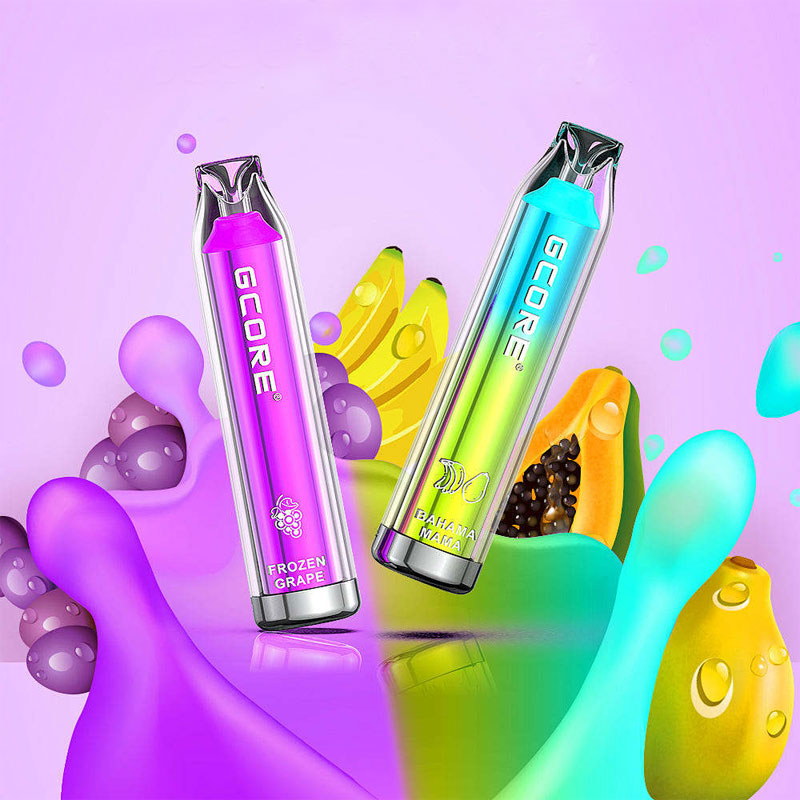
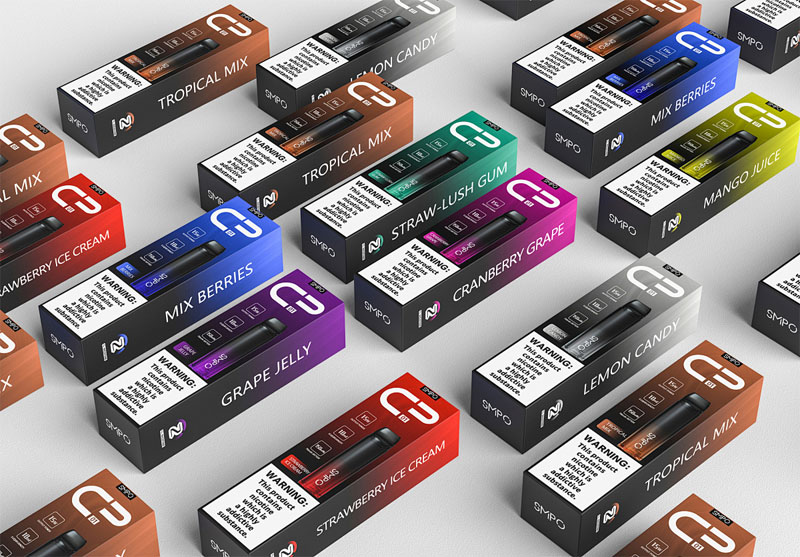
Different e-cigarette devices can affect how much nicotine is delivered to the user. Factors such as the wattage, temperature, and type of coil can influence nicotine absorption. Higher wattage and temperature can result in more nicotine delivery per puff, compared to lower settings. Therefore, the device plays a crucial role in determining the nicotine experience.
The Impact of Vaping Style
Another aspect that affects nicotine intake is the user’s vaping style. Individuals who take longer puffs or inhale more deeply can absorb more nicotine per session. This variability means that two people using the same e-liquid concentration might experience different nicotine levels based on their vaping behavior.
Comparing Nicotine Levels to Traditional Cigarettes
It’s important to compare e-cigarette nicotine levels to traditional cigarettes to understand their impact. Traditional cigarettes usually contain about 10-15mg of nicotine, though only about 1mg is absorbed per cigarette due to combustion and other factors. In comparison, e-liquids with 18mg/ml concentration in a standard e-cigarette setup could deliver less or equal nicotine per session, depending on usage patterns.
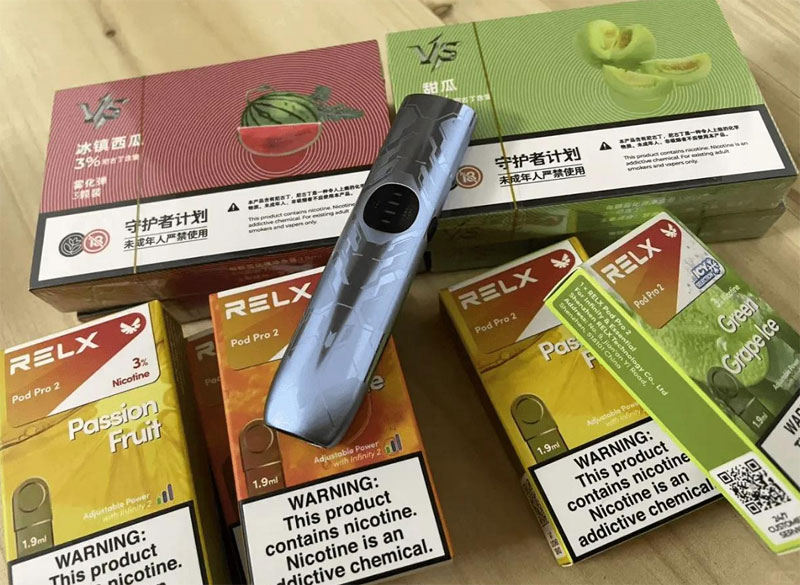
How E-Cigarettes may Aid Smoking Cessation
For many smokers, e-cigarettes serve as a tool for smoking cessation. By gradually reducing the nicotine concentration in e-liquids, users can wean themselves off nicotine dependency. However, it’s crucial to consult with healthcare professionals for an effective cessation plan.
Aside from nicotine, e-liquids may incorporate other ingredients like propylene glycol (PG), vegetable glycerin (VG), and flavorings. PG and VG serve as the base to create vapor, while flavors provide diversity in taste, from fruity to tobacco-like options.
Are Nicotine-Free E-Cigarettes Safe?
Nicotine-free e-cigarettes eliminate the risk of nicotine addiction; however, they may still pose health risks due to other ingredients. The long-term effects of inhaling e-liquid components are still under investigation, so it is wise to exercise caution.
FAQs:
How can I determine the right nicotine level for me?
Start with a level that matches your previous smoking habits and adjust as needed. If you’re using e-cigarettes for cessation, gradually decrease nicotine levels.
Can e-cigarettes help in quitting smoking?
Yes, they can be part of a cessation plan, especially when combined with counseling and medical guidance.
What are the risks of high nicotine e-liquids?
High nicotine e-liquids can lead to nicotine dependency and potential health issues if not managed correctly.