Exploring the Key Components of E-Cigarettes
E-cigarettes have become increasingly popular among those wishing to either reduce their traditional smoking habits or avoid smoking altogether. As these devices gain traction, understanding what ingredients are in e-cigarettes becomes crucial. This article delves into the various components that make up e-cigarette liquids, commonly known as e-liquids or vape juices.
Primary Ingredients in E-Cigarettes
The most prevalent constituents found in e-cigarettes include propylene glycol (PG), vegetable glycerin (VG), nicotine, and flavorings. Each ingredient plays a specific role in creating the vaping experience.
1. Propylene Glycol (PG): This component serves as a base for the e-liquid, providing a throat hit similar to smoking. PG is a colorless and tasteless liquid that provides a thinner consistency, making it easier to vaporize.
2. Vegetable Glycerin (VG)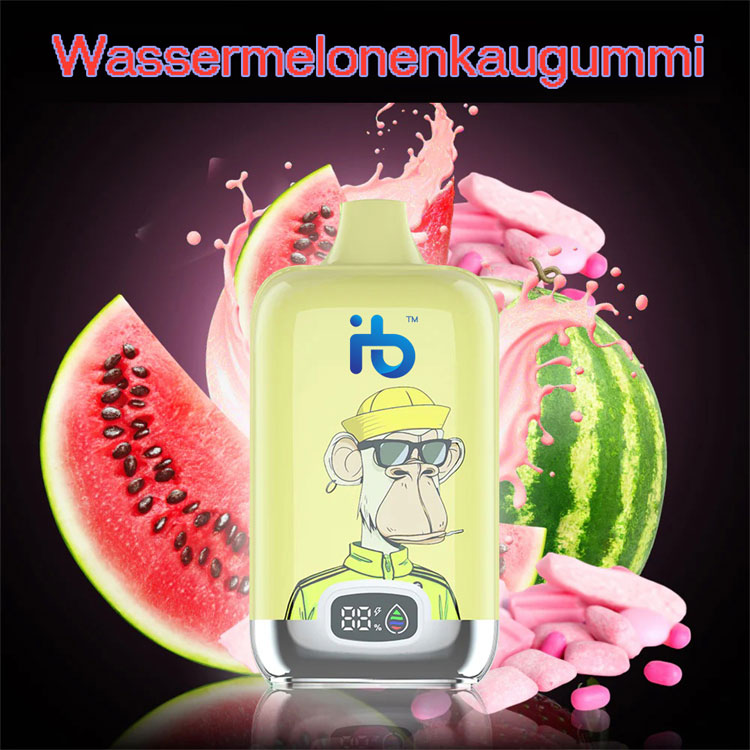 : VG is another base ingredient often used in e-liquids alongside PG. It is a thicker, sweet-tasting liquid derived from plant oils. VG is responsible for the vapor production, giving users the large clouds commonly associated with vaping.
3. Nicotine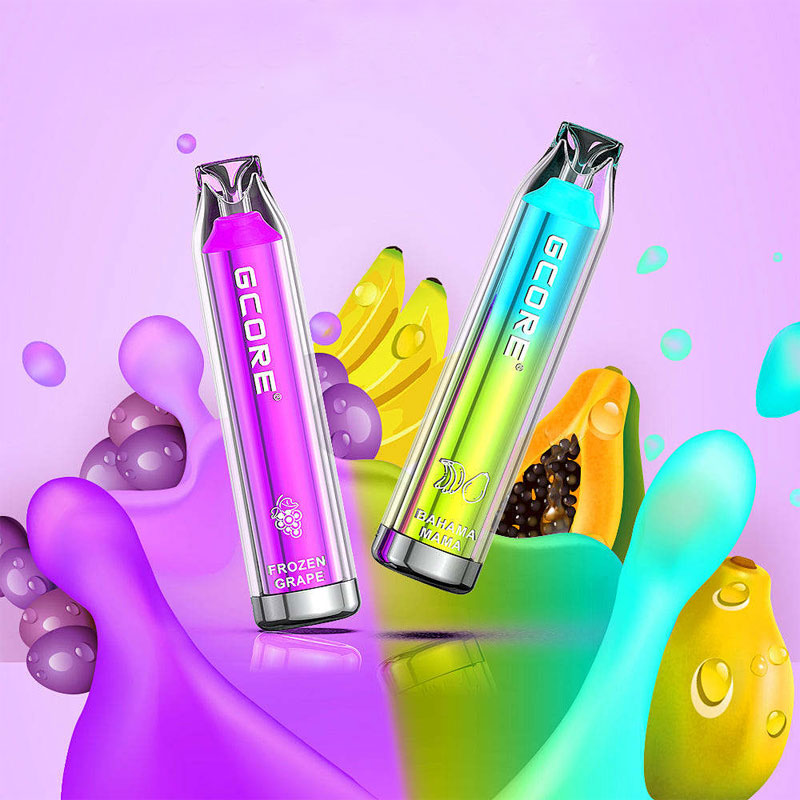 : Nicotine is an optional ingredient, catering to those who wish to satisfy their cravings without the harms of traditional smoking. E-liquids come in varying nicotine strengths, allowing users to choose their preferred level.
4. Flavorings: A variety of flavorings are added to e-liquids to enhance the vaping experience. From fruity to minty, rich tobacco to dessert flavors, the options are vast, making vaping appealing to a wide audience.
Understanding the Role of Each Ingredient
The combination of PG and VG, usually in a certain ratio, is crucial for achieving the desired vaping experience. Higher VG content may lead to thicker vapor density, while higher PG content might enhance flavor and show a stronger throat hit. When selecting e-liquids, understanding these dynamics assists users in crafting their ideal vaping scenario.
Nicotine, being a stimulant, can be addictive. Users opting for nicotine-free versions aim to enjoy vaping without the addictive substance, while those using nicotine-infused products often seek the sensation associated with traditional smoking. Flavorings offer variety and personalization, helping users avoid monotony.
Potential Health Concerns
While e-cigarettes are often marketed as a safer alternative to traditional smoking, understanding their ingredients remains paramount. Research is ongoing on long-term health implications of exposure to PG, VG, nicotine, and various flavorings, especially when heated and inhaled.
FAQs
- Are e-cigarette ingredients safe?
- Many of the ingredients like PG and VG are deemed safe for consumption, yet there is limited research on their effects when vaporized and inhaled over long periods. Nicotine, while addictive, is also included in a controlled manner in many e-liquids.
- How do I choose the right e-liquid for me?
- Consider your flavor preferences, desired throat hit, and whether or not you want nicotine. Experimenting with various PG/VG ratios can help identify what suits your needs.
- Can e-cigarettes help quit smoking?
- Many individuals have successfully reduced or quit smoking traditional cigarettes using e-cigarettes as an alternative. However, it’s essential to approach this method with research and possibly professional guidance.
Conclusively, exploring the ingredients of e-cigarettes reveals a complex mix designed to mimic traditional smoking while offering customization. As the vaping industry evolves, staying informed about its elements can aid in making educated choices.