Key Components of E-Cigarette Vapor
The mist produced by e-cigarettes primarily consists of propylene glycol and vegetable glycerin, both of which act as carriers for flavors and nicotine. Propylene glycol is a colorless and odorless compound that provides the “throat hit” sensation akin to traditional smoking. Conversely, vegetable glycerin is a thicker, sweeter substance that facilitates substantial vapor production. The exact ratio of these substances can vary by product, influencing the vaping experience.
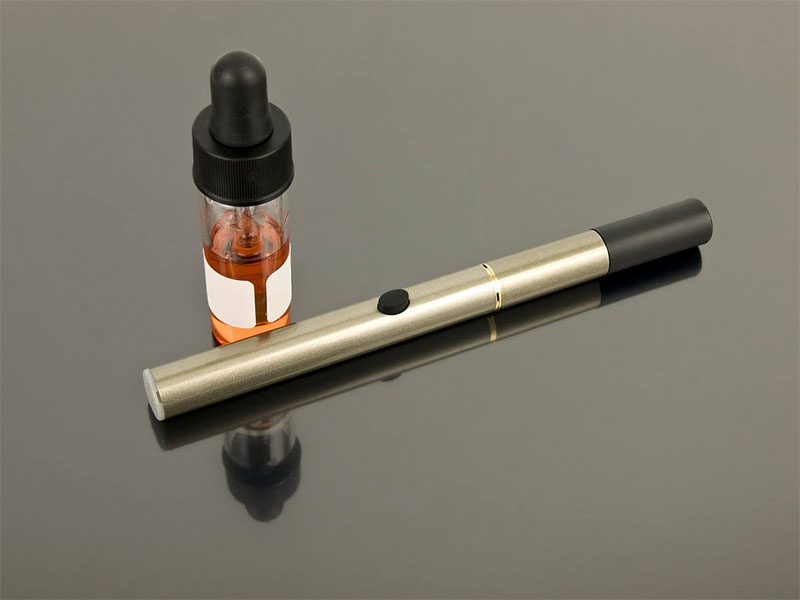
Nicotine, a well-known stimulant present in e-cigarettes, delivers the addictive component shared with conventional cigarettes. The concentration of nicotine can range considerably, allowing users to control their intake. Some e-cigarettes may offer nicotine-free options, targeting individuals who seek the ritual without the chemical dependency.
Analyzing Flavorings and Additives
Flavorings are critical to the appeal of e-cigarettes, providing a wide array of choices from fruity blends to dessert notes. These flavorings derive from food-grade sources, yet certain studies suggest potential health risks upon inhalation. It’s essential for consumers to stay informed about the safety of specific flavor compounds used in their preferred products. Some e-cigarette solutions incorporate additional additives such as colorings and cooling agents that enhance the user experience.
Health Implications
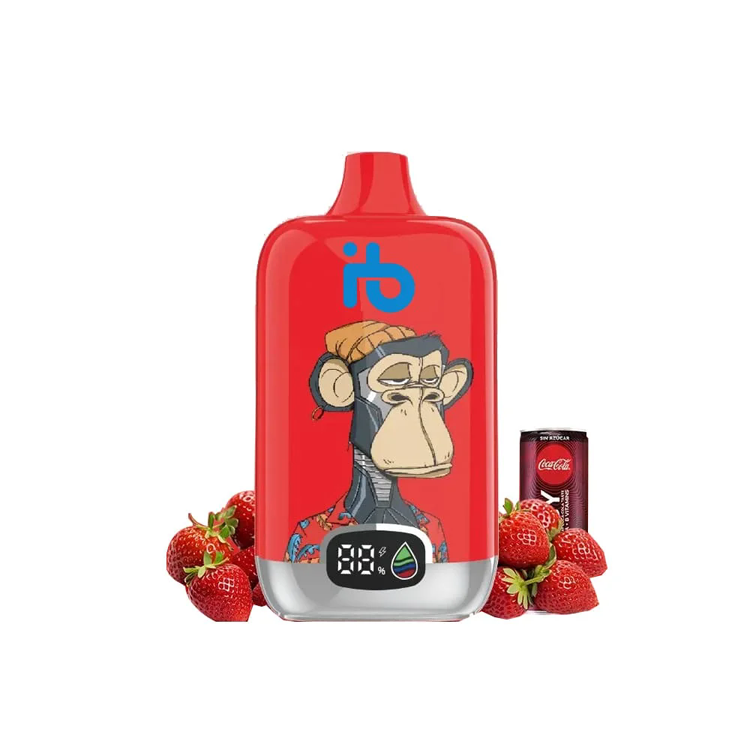
The health effects of e-cigarette vapor are subject to ongoing research, with concerns revolving around toxicity and long-term impacts. While vaping eliminates many harmful constituents found in combustible tobacco, such as tar and carbon monoxide, risks associated with nicotine addiction and exposure to toxic substances remain. Studies continue to examine respiratory and cardiovascular implications, urging cautious consumption and regulation.