Electronic cigarettes, commonly referred to as e-cigarettes, have surged in popularity over the past decade, touted as a healthier alternative to traditional smoking methods. Despite this perception, understanding the chemicals found in e-cigarettes becomes imperative to making informed choices. Underneath the clouds of vapor lies a complex mixture of substances that warrant closer scrutiny.
Understanding the Composition
E-cigarettes are primarily composed of a battery, a heating element, and a liquid solution known as e-liquid or vape juice. This e-liquid is the centerpiece of potential health concerns due to its chemical composition. The principal ingredients include nicotine, propylene glycol, vegetable glycerin, and a plethora of flavoring agents. While nicotine is the addictive substance also found in cigarettes, propylene glycol and vegetable glycerin are agents responsible for producing the vapor.
Nicotine: A Familiar culprit

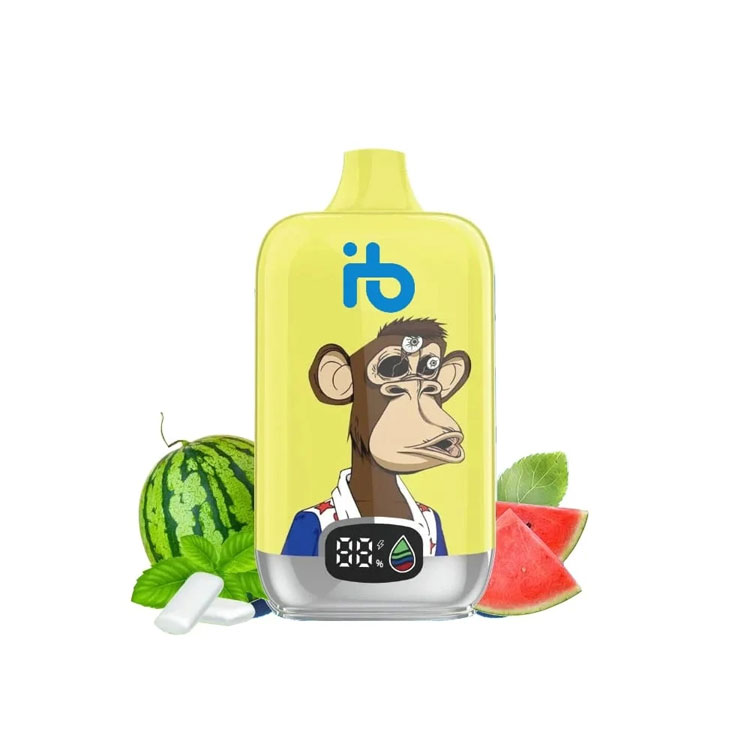
It’s important to highlight the presence of nicotine when discussing chemicals found in e-cigarettes. Although it’s a primary factor in the smoking addiction, its presence in e-cigarettes is often variable. Some e-liquids contain high concentrations, mimicking the nicotine levels of traditional cigarettes, while others are nicotine-free. This variability necessitates understanding the nicotine levels in your chosen e-liquid, particularly because excessive consumption can lead to significant health risks.
Propylene Glycol: The Vapor Producer
Propylene glycol is widely used in food and pharmaceuticals, deemed safe for consumption by regulatory agencies. However, when inhaled, its long-term health effects are less understood. It serves as a solvent for nicotine and flavorings and helps create the visible vapor exhaled by users. Some users report irritation or allergic reactions to propylene glycol, necessitating cautious use.
Vegetable Glycerin: Enhancing Flavor
Another main component in e-liquids is vegetable glycerin, a substance derived from plant oils. It contributes to a sweeter taste and thicker vapor. Like propylene glycol, its ingestion is considered safe, but inhalation effects are not thoroughly studied, prompting an air of uncertainty regarding long-term use.
Understanding Flavoring Agents
What truly diversifies e-cigarettes is the wide array of flavoring agents available. These can range from simple fruit flavors to complex dessert blends. While this adds to user appeal, not all flavoring agents are harmless. Some contain diacetyl—a chemical associated with popcorn lung, a serious respiratory condition. Thus, opting for e-liquids that specify ‘diacetyl-free’ becomes essential to mitigate risks.
The Hidden Dangers
- Heavy Metals: Studies reveal that e-cigarette vapor can contain metals like lead, nickel, and tin, originating from the device’s heating element.
- Volatile Compounds: Inhaling e-liquids can result in exposure to volatile organic compounds, some of which have been linked to health issues.
- Formaldehyde: High-voltage e-cigarettes can produce formaldehyde, a carcinogenic substance, highlighting a potential risk with certain vaping practices.
Environmental Impact
Concerns aren’t limited to human health alone. E-cigarettes contribute to environmental pollution through battery disposal and plastic waste generated by excessive packaging and usage. Proper disposal methods and consideration of eco-friendly options are crucial for minimizing environmental harm.
FAQs
Q: Is vaping safer than smoking traditional cigarettes?
While e-cigarettes are generally considered less harmful, they still pose health risks due to chemical exposure. Regulated and moderated use is advisable.
Q: Can e-cigarettes help quit smoking?
Many have used e-cigarettes as a smoking cessation tool, yet transitioning entirely depends on individual dedication and varied results have been reported.
Q: Do all e-liquids contain nicotine?
Not all e-liquids contain nicotine, offering options for users seeking to minimize addiction risks.
Recognizing the chemicals found in e-cigarettes empowers users to make educated decisions and approach vaping with greater awareness and caution, ensuring both personal wellness and environmental consideration.