Electronic cigarettes, commonly known as e-cigarettes or vapes, have rapidly gained popularity as a modern alternative to traditional smoking. These devices, which come in various forms and sizes, allow users to inhale vapor instead of tar-laden smoke. The technology behind electronic cigarettes has evolved significantly over the past decade, offering users a different experience from conventional smoking methods. In this article, we delve into the world of e-cigarettes, examining their rise, functionality, and the impact they have had on society.
The Evolution of Electronic Cigarettes
The first electronic cigarette patent was filed in the 1960s, but it wasn’t until the early 21st century that they became widely available. The idea was to provide smokers with a less harmful means of nicotine consumption. Today, e-cigarettes come in a variety of forms, including cig-a-likes, vape pens, and more advanced personal vaporizers. Each of these devices functions in a unique way, but their core mechanism remains similar – heating a liquid (often containing nicotine, flavorings, and other chemicals) to create a vapor that users inhale.
How Electronic Cigarettes Work
Understanding how electronic cigarettes function is crucial to grasping their appeal. At the heart of an e-cigarette is the atomizer, which contains a small coil that heats up when activated. This coil vaporizes the e-liquid, a mixture of flavorings, nicotine, and other components, turning it into an aerosol mist that users can inhale. Unlike traditional cigarettes, which burn tobacco, this process produces fewer harmful substances, which is one reason proponents of electronic cigarettes argue that they are a safer alternative.
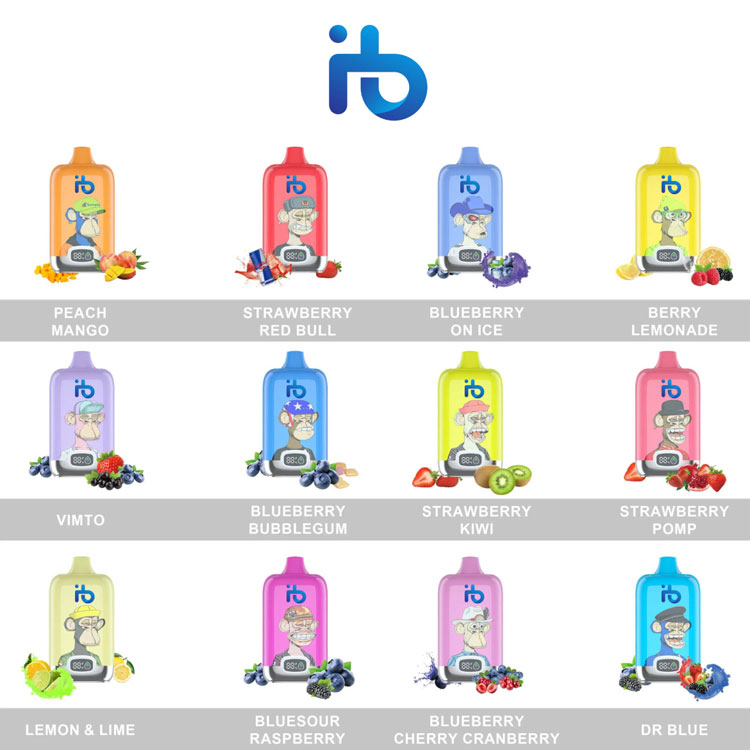
The Surge in Popularity
Several factors contribute to the rising popularity of electronic cigarettes. First, they are often marketed as a healthier alternative to traditional smoking. While long-term effects are still being studied, initial reports suggest they are less harmful. Second, the variety of flavors available – from fruity to dessert-inspired – attracts many users, especially younger demographics. Additionally, the absence of the typical “smoker’s smell” is an appealing attribute for many, making e-cigarettes an attractive choice for those looking to quit smoking or reduce their nicotine intake.

The Impact on Society
The rise of electronic cigarettes has sparked significant debate among health professionals, policymakers, and the public. Advocates argue that e-cigarettes can help reduce the prevalence of smoking-related diseases. However, critics raise concerns about their appeal to non-smokers, particularly teenagers, potentially leading to nicotine dependency. Furthermore, there is an ongoing regulatory discussion about how e-cigarettes should be controlled, especially concerning advertising and sales to minors.
It’s also worth noting the environmental impact of e-cigarettes, as their disposal can contribute to electronic waste challenges. Many components of these devices are not biodegradable, and their popularity means that millions of units are discarded each year.
Conclusion
Electronic cigarettes represent a significant shift in how nicotine is consumed and have certainly impacted the smoking culture worldwide. While offering potential benefits, particularly for smokers seeking to quit, they also pose challenges that need addressing. Understanding their role in public health discussions remains crucial as they evolve and integrate into societal norms.
Frequently Asked Questions (FAQ)
- Q: Are electronic cigarettes safer than traditional cigarettes?
A: Current studies suggest they produce fewer harmful chemicals than traditional cigarettes, but the long-term health effects are not yet fully understood. - Q: Can electronic cigarettes help in quitting smoking?
A: Many users have successfully used e-cigarettes as a smoking cessation tool, but they should not be considered risk-free. - Q: What age restrictions apply to purchasing electronic cigarettes?
A: Most countries have regulations that restrict the sale of e-cigarettes to adults, typically aged 18 or older, similar to traditional tobacco products.