Unveiling the Mystery Behind E-Cigarette Vapor
Electronic cigarettes, commonly known as e-cigarettes, have become a popular alternative to traditional smoking. They are lauded for producing vapor rather than smoke, a significant shift that brings about various implications for users and bystanders alike. This article delves into the intriguing composition and effects of e-cigarette vapor, aiming to answer the pervasive query: What is e-cigarette vapor?
Composition of E-Cigarette Vapor

E-cigarette vapor is generated through the heating of a liquid known as e-liquid or vape juice. The primary components of this liquid are usually propylene glycol (PG), vegetable glycerin (VG), nicotine, and flavorings. Each plays a role in the characteristics of the vapor produced.
- Propylene Glycol (PG): A clear, tasteless liquid that is often utilized to provide a stronger throat hit similar to traditional cigarettes.
- Vegetable Glycerin (VG): This ingredient is thicker and sweeter than PG, known for producing larger vapor clouds.
- Nicotine: An optional component, the concentration varies based on users’ preferences, ranging from zero nicotine to high concentrations.
- Flavorings: A broad spectrum of flavors is available, from traditional tobacco and menthol to exotic fruit blends and dessert flavors.
Effects of E-Cigarette Vapor
The effects of vapor are multifaceted. While e-cigarettes are often touted as a less harmful alternative to smoking, especially by helping in the cessation process, the impact on health and environment is an ongoing subject of study.
Health Implications
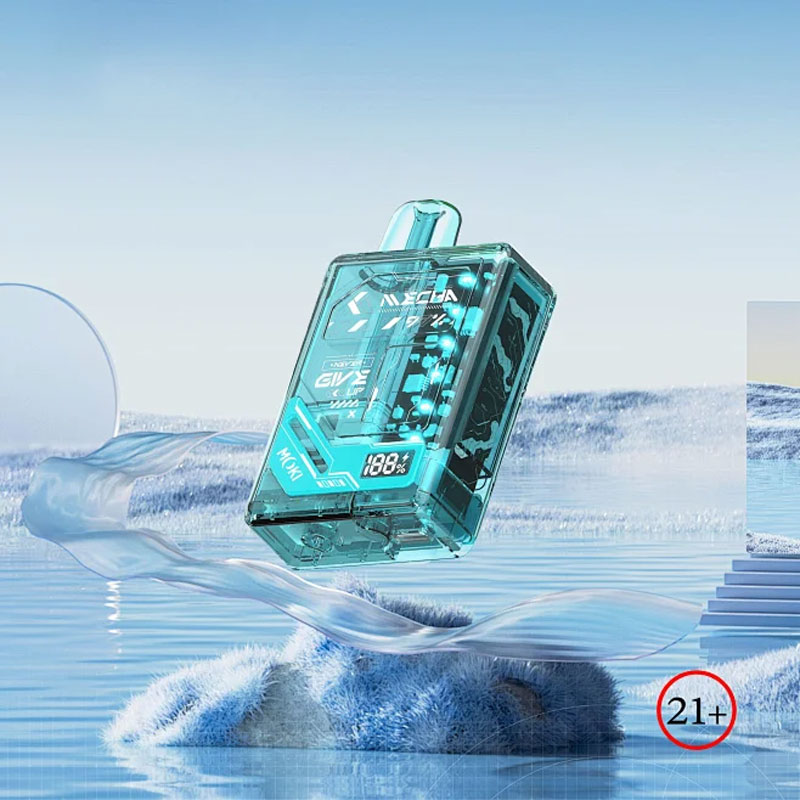
E-cigarette vapor is considered less harmful than conventional cigarette smoke since it contains fewer toxicants. However, it is not free from risks. The inhalation of substances like nicotine can be addictive, and there is potential exposure to other harmful chemicals that arise from certain flavorings.
Environmental Considerations

Unlike harmful secondhand smoke, e-cigarette vapor dissipates more rapidly in the air. Nonetheless, studies are investigating the potential impact of these aerosols on indoor air quality and their residue effects.
FAQ Section
- Is e-cigarette vapor safe for everyone?
- While e-cigarette vapor is generally considered less harmful than traditional smoke, it is especially advised that non-smokers, pregnant women, and young individuals avoid exposure due to nicotine and other chemicals present in the vapor.
- Does e-cigarette vapor smell?
- E-cigarette vapor can have a mild scent based on the flavor of the e-liquid used, often dissipating quickly with minimal residue.
- Are there benefits to switching from smoking to vaping?
- Many users find vaping a helpful tool in reducing dependency on conventional cigarettes, although the health benefits and risks continue to be studied.
Understanding the essence and implications of e-cigarette vapor is essential for users making informed decisions about their health and lifestyle choices.