E-cigarettes have sparked considerable debate since their introduction, raising a myriad of misconceptions. Understanding these myths is crucial for making informed decisions about their use. One widespread belief is that e-cigarettes are entirely harmless. While e-cigarettes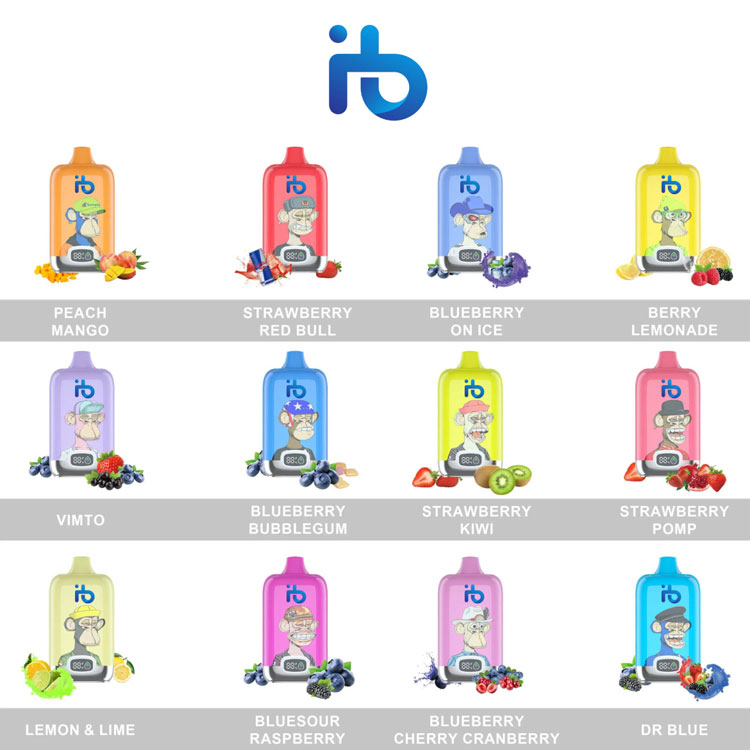 may contain fewer toxins compared to traditional cigarettes, they are not free from health risks. Research shows that vaping can still introduce harmful substances into the body, albeit potentially fewer than smoking conventional cigarettes.
Myth: E-Cigarettes Are Completely Safe
Another common misconception is that e-cigarettes help in quitting smoking without any adverse effects. While they may assist some individuals in transitioning away from traditional cigarette smoking, the long-term effects are still under study. It is essential to recognize that using e-cigarettes is not merely inhaling water vapor; it often involves nicotine, which is addictive and can affect developing brains in adolescents.

The Myth of Youth Usage
There is also a false belief that e-cigarettes do not appeal to younger audiences. However, flavored e-liquids and sleek designs have contributed to increased use among teenagers and young adults, raising concerns about addiction and potential health repercussions. Policies and regulations aim to mitigate youth access, but the allure remains potent.
Myth: Secondhand Vapor is Harmless
It is often assumed that the vapor emitted from e-cigarettes is entirely innocuous to bystanders. This is misleading because studies indicate that secondhand vapor can contain nicotine and other particles that may pose a risk to those nearby, particularly in poorly ventilated spaces.
Myth: E-Cigarettes Are Ineffective for Smoking Cessation
Some argue that e-cigarettes do not help smokers quit. In reality, they might act as an alternative by lessening cravings that traditional cigarettes induce. Yet, the success varies among individuals, and comprehensive approaches involving counseling and support often yield better results. Utilizing e-cigarettes as a smoking cessation tool should be part of a broader strategy.
Why Misconceptions Persist
The spread of myths surrounding e-cigarettes can be attributed to a combination of sensationalized media reports and limited scientific data available to the public. As more research emerges, understanding the complexities of e-cigarette use becomes increasingly critical. We must continue to dispel these myths to ensure individuals make educated decisions regarding vaping.
Common Questions
- What are the main risks associated with e-cigarettes?
- E-cigarettes may carry risks of nicotine addiction and exposure to potentially harmful substances present in the vapor.
- Can e-cigarettes help quit traditional smoking?
- For some, e-cigarettes serve as a transitional tool, but optimal results often require a comprehensive cessation program beyond vaping alone.
- Is secondhand vapor dangerous?
- Secondhand vapor can contain hazardous particles, potentially affecting those around the vaper, especially in enclosed spaces.