In recent years, the popularity of e-cigarettes has surged, leading to debates about their safety and efficiency as smoking cessation aids. But are e-cigarettes truly safer than traditional cigarettes? To begin with, it’s crucial to understand what e-cigarettes are. Often called electronic nicotine delivery systems, e-cigarettes consist of a battery, an atomizer, and a container, usually filled with liquid nicotine and other chemicals. When heated, the liquid produces vapor that the user inhales. This process is known as vaping, and advocates argue it’s less harmful than smoking combustion tobacco products.
Composition of E-Cigarettes
E-cigarettes typically contain fewer toxic substances compared to conventional cigarettes. A burning cigarette releases over 7,000 chemicals into the smoker’s lungs, many of which are carcinogenic. In contrast, e-cigarettes solely vaporize the liquid solution, theoretically resulting in fewer harmful emissions. However, e-cigarettes are not absolutely safe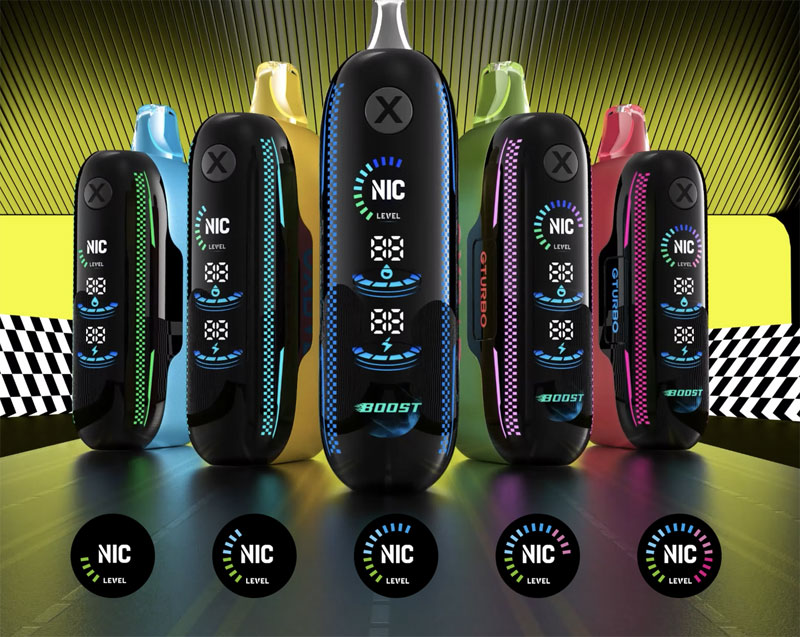 . Researchers are still discovering potential long-term effects of inhaling vapors laced with nicotine and flavoring agents. These additives are designed to make vaping more appealing but could pose health risks of their own.
Health Considerations
Even though e-cigarettes may reduce exposure to harmful tobacco byproducts, with negligible tar production, nicotine is still present—a substance that’s addictive and affects the cardiovascular system. It’s also responsible for elevating blood pressure and heart rate, potentially leading to health complications over time. Some studies suggest that using e-cigarettes can assist in quitting smoking; however, they are not approved by the FDA as cessation devices. Due to the variability in e-cigarettes’ design and nicotine content, consistent evidence showing their efficacy for smoking cessation remains elusive. Ultimately, while they may be less harmful than smoking regular cigarettes, they aren’t entirely devoid of health concerns.
Flavors and Risks
The flavored liquids found in e-cigarettes, ranging from mint to fruity options, have raised questions about their safety. Though they enhance the vaping experience, some flavors involve chemicals that can react under high heat to produce potential health hazards. For example, diacetyl—linked to popcorn lung—has been identified in certain flavored vape liquids. The long-term implications of inhaling these substances in various concentrations are not fully understood.
FAQs
Is vaping safer for individuals trying to quit smoking?
While vaping might be less harmful than smoking, health professionals recommend proven cessation methods such as nicotine patches or counseling.
Can e-cigarettes harm non-smokers?
Yes. Non-smokers potentially risk exposure to nicotine and other chemicals in the vapor. Pregnant individuals, in particular, should avoid vaping.