Exploring the Consequences of Secondhand E-Cigarette Vapor Exposure
The rise of e-cigarettes has sparked a debate on their health implications not only for users but also for those exposed to secondhand vapor. Unlike traditional cigarettes, e-cigarettes do not combust tobacco. Instead, they heat a liquid that typically contains nicotine, flavorings, and other chemicals. When heated, this liquid becomes vapor, which can be inhaled. This raises the question: Is secondhand vapor from e-cigarettes harmful to non-users?
Understanding E-Cigarette Vapor Composition
To grasp the potential risks of secondhand vapor, we must first understand its composition. E-cigarette vapor contains nicotine, a highly addictive substance. It also comprises propylene glycol, vegetable glycerin, flavoring agents, and tiny particles of metals. Reports have shown that some of these elements could be detrimental if inhaled over time.
Nicotine Impact on Non-Users
- Exposure to nicotine could lead to addiction, especially in adolescents, children, and unborn babies.
- Nicotine is known for its potential to affect brain development, which is crucial for the younger population.
Other Chemical Compounds
Besides nicotine, e-cigarette vapor may contain volatile organic compounds (VOCs), carcinogens, and aldehydes. Although typically at lower concentrations than cigarette smoke, persistent exposure could still pose significant health risks.
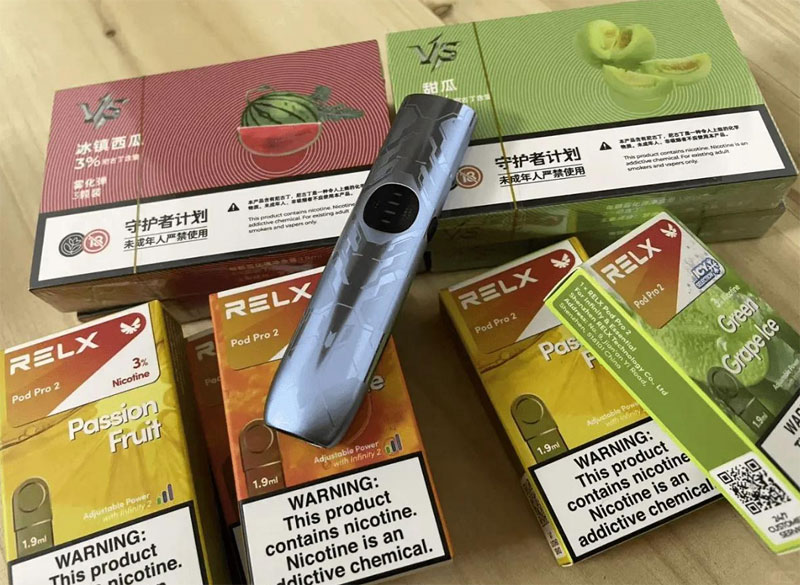
Research has shown mixed results, but prolonged exposure may inadvertently contribute to respiratory symptoms similar to those experienced by smokers.
Examining Studies on Secondhand Vapor Effect
There have been various studies aimed at understanding the potential harm of secondhand e-cigarette vapor. While findings vary, some research highlights that certain vulnerable groups might experience adverse effects. For instance, individuals with respiratory conditions could be at heightened risk.
Regulatory and Health Considerations
Many public health organizations advocate for stricter regulations on e-cigarette usage, especially in public spaces, to mitigate the risks of secondhand vapor exposure. Policies often focus on protecting the most vulnerable: children, pregnant women, and those with health conditions.
Contrasting Views and Public Perception
The discourse on secondhand e-cigarette vapor is ongoing. A section of researchers argues that since vapor typically contains fewer toxins than cigarette smoke, it poses limited risk to non-users. Others counter that while the concentration of harmful substances may be less, any exposure, particularly in enclosed spaces, can be detrimental.
Understanding the long-term effects of e-cigarette vapor is vital to public health, and continuous research is needed to provide clear guidelines and protect non-users effectively.
Frequently Asked Questions (FAQ)
- Can you become addicted to nicotine through secondhand vapor?
 While the risk is lower than direct inhalation, continuous exposure can increase the likelihood of nicotine addiction, particularly in young individuals.
 - Are e-cigarettes safer than traditional cigarettes? While they may contain fewer harmful substances, e-cigarettes are not risk-free, and secondhand vapor still poses potential health concerns.
- How can we protect ourselves from secondhand vapor? Avoiding spaces where e-cigarettes are used and advocating for smoke-free policies can reduce exposure risks.
In conclusion, the potential hazards of secondhand vapor from e-cigarettes warrant detailed attention and protective measures to ensure public health safety.