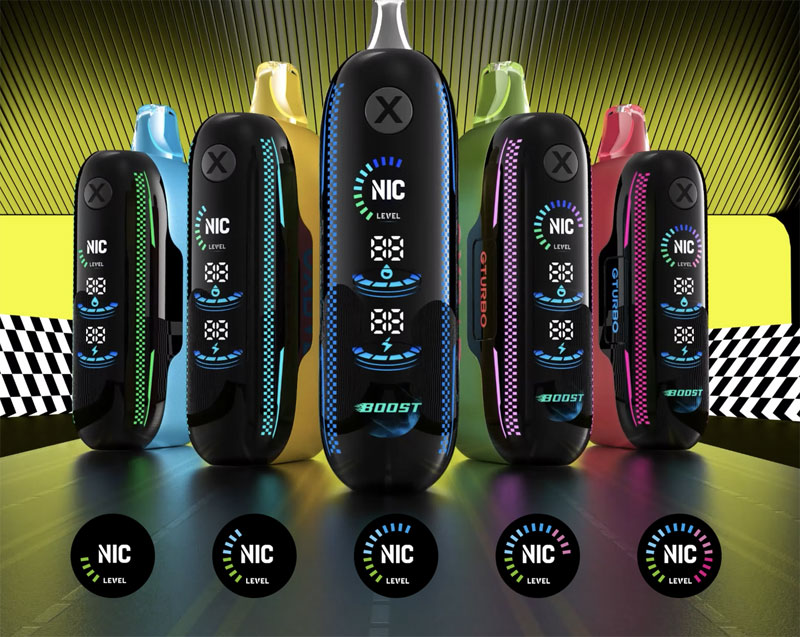
The Composition of E-Cigarette Liquid
The liquid used in electronic cigarettes, commonly referred to as e-liquid or vape juice, contains several ingredients that might pose health risks. Nicotine, a primary component, is addictive and has known adverse effects. Flavoring agents and preservatives in the e-liquid can also contribute to potential health issues. Some studies have even detected traces of harmful substances, such as formaldehyde, which can result from high-temperature vaporization.
Potential Respiratory Issues

Long-term inhalation of e-cigarette vapor may cause respiratory problems. The aerosols from vaping can deposit in the lungs, leading to inflammation or other pulmonary issues. Although research is ongoing, preliminary findings suggest a connection between vaping and lung health complications.
The popularity of vaping among youth and young adults raises concerns about its impact on respiratory development.
Heart Health Concerns
Nicotine, regardless of its source, can increase heart rate and blood pressure, which are risk factors for cardiovascular disease. Electronic cigarettes health effects might not be as benign as once thought, given these cardiovascular implications. Several studies have underscored the need for understanding how the long-term use of e-cigarettes might affect heart health.

Potential for Behavior Formation
Beyond physical health, there are psychosocial impacts associated with e-cigarette usage. The accessibility of different flavors and marketing strategies may encourage non-smokers, particularly teenagers, to initiate vaping. This behavior formation can lead to lifelong nicotine dependency.
Environmental Concerns
The usage of electronic cigarettes also raises environmental concerns. The disposal of cartridges and batteries can contribute to ecological issues. Their impact on indoor air quality is another dimension that requires further exploration.
FAQ
-
Do e-cigarettes help in quitting smoking?
- The efficacy of e-cigarettes as a smoking cessation tool remains debatable. While some individuals have successfully quit smoking through vaping, the addictive nature of nicotine in e-liquids can hamstring efforts for others.
-
How can e-cigarettes affect non-smokers?
- Non-smokers, particularly teens, may be drawn to vaping due to innovative flavors and sleek designs, risking nicotine addiction without a history of tobacco usage.
-
Are e-cigarettes less harmful than traditional cigarettes?
- While e-cigarettes eliminate the dangers associated with burning tobacco, their long-term health impacts are unclear, and not necessarily benign. Ongoing research is needed to ascertain their safety.