The rise of e-cigarette users in the Philippines can be attributed to a myriad of factors that interplay with the ever-changing landscape of vaping culture. Over the past few years, the country has witnessed a significant uptick in the number of individuals gravitating towards e-cigarettes, driven by technological innovations, marketing strategies, and the perceived benefits over traditional smoking. With the Philippines’ unique socio-cultural dynamics, understanding this trend requires delving into the behavioral patterns, regulatory frameworks, and the broader health implications tied to e-cigarette use.
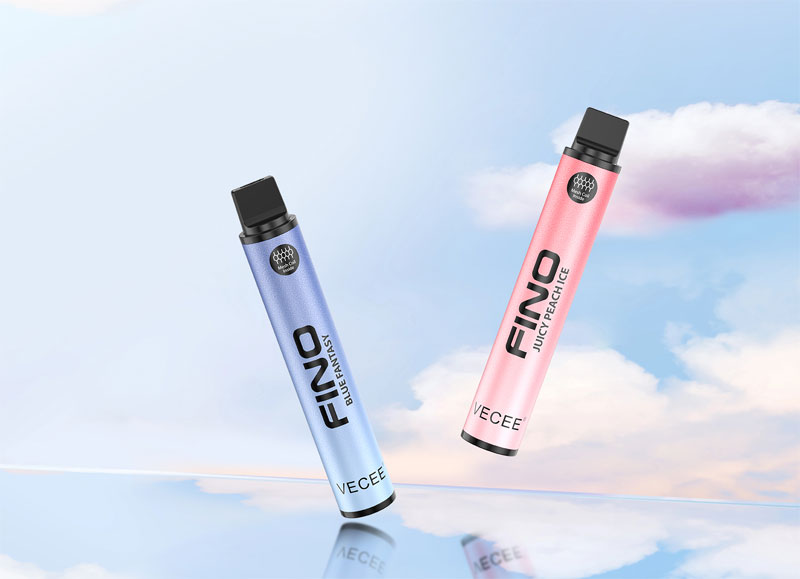
Growth and Popularity of E-Cigarettes
The explosion in e-cigarette usage owes much to the global wave of smoking alternatives that promised a safer smoking experience. In the Philippines, this trend mirrors global movements but is also uniquely characterized by local factors such as social norms and economic considerations. E-cigarettes have rapidly become a lifestyle choice, often marketed as a fashionable and modern alternative to traditional cigarettes. Such marketing is key in the contextual rise, often targeting the younger demographic that values innovation and trendsetting habits.

Pivotal Role of Technology in Vaping Devices
The development and diversification of e-cigarette technology play a crucial role in their adoption. Modern e-cigarettes offer customizable features, varied flavors, and user-friendly designs that appeal to a broader audience. These devices range from basic models to advanced options that offer a personalized experience, thereby widening their appeal across different segments of society in the Philippines. The manufacturers often leverage technology to improve product safety, enhance flavor experiences, and boost device functionality, which in turn contributes to increased user satisfaction.
Public Perception and Misconceptions
Public perception around e-cigarettes in the Philippines is mixed, largely colored by misinformation and varying media narratives. Many perceive them as a healthier alternative to traditional smoking, mainly because they are believed to contain fewer harmful substances. However, misconceptions persist, often exacerbated by insufficient educational campaigns to demystify the facts surrounding e-cigarettes. In a country where access to credible health resources may vary, educating the public on the actual implications of e-cigarette uses becomes paramount.
Regulatory Environment and Legal Challenges
The Philippine government is navigating the complex waters of regulating e-cigarettes, balancing public health concerns with consumer freedom. There are efforts to legislate usage, sales, and marketing practices, but challenges remain, particularly in enforcement. Effective regulation is crucial to ensuring e-cigarettes are used safely and responsibly. Recent laws target advertising strategies to prevent youth-targeted marketing, reflecting global standards and protecting vulnerable demographics.
Health Implications and Public Concerns
The health implications of e-cigarette usage remain a topic of intense study and discussion worldwide, including in the Philippines. Questions about long-term effects, impact on younger users, and addiction potential are at the forefront of public health discussions. While e-cigarettes are less harmful than traditional cigarettes, they are not without risk, particularly when used by non-smokers or long-term. Health experts advocate for ongoing research and public education to better inform usage decisions and mitigate potential health risks.
- Addiction: Despite lower nicotine levels, there is potential for addiction, primarily due to the appealing flavors and repeated behaviors that mimic actual smoking.
- Health Risks:
 Though reduced, risks such as respiratory issues or oral problems persist, necessitating continued public education.
E-cigarettes endeavor to offer a less harmful choice for smokers, yet they signal a need for cautious optimism, particularly in regulatory practices and consumer education in the Philippines.
Frequently Asked Questions
- Are e-cigarettes legal in the Philippines?
- Yes, e-cigarettes are legal in the Philippines, but they are subject to specific regulations concerning age restrictions and advertising practices.
- Do e-cigarettes aid smoking cessation?
- While some users find success in reducing or eliminating traditional cigarette use, e-cigarettes are not an officially recognized cessation tool, and their effectiveness can vary.
- What should potential users consider?
- Potential users should consider the health implications, legal regulations, and personal health conditions when choosing e-cigarettes.
As the dynamics of smoking evolve, the Philippines finds itself at a pivotal point concerning e-cigarette user trends. The mix of regulatory efforts, health implications, and the public’s perceptions will shape the future landscape of e-cigarette usage in the country.