While electronic cigarettes continue to grow in popularity, understanding what is permissible when traveling by air is crucial, especially when it comes to whether an e cigarette is allowed in flight. This question can arise for anyone who enjoys vaping and needs clarity regarding restrictions on flying.
The Basics of E-Cigarettes on Flights
E-cigarettes, also known as vapes, have become increasingly common among smokers looking for alternatives to traditional tobacco products. However, using them on airplanes is not as straightforward. Airlines apply various policies regarding these devices, making it critical to know what rules apply before you board your flight. Are e-cigarettes allowed in flight? Generally speaking, passengers are prohibited from using e-cigarettes on board aircraft. Most airlines enforce no-smoking laws, including vaping, regardless of whether you’re taking a short domestic flight or an international trip. It’s best to refrain from using your e cigarette during flights to comply with these regulations. Understanding these rules not only ensures compliance but also contributes to a comfortable environment for all passengers.
Packing E-Cigarettes for Flights
While using e-cigarettes on planes is not allowed, carrying them in your luggage is often permissible. To ensure smooth security checks and adherence to airline policies, follow these packing tips:
- Carry e-cigarettes in carry-on luggage. Many regulations prohibit carrying lithium batteries, commonly found in vaping devices, in checked bags due to potential safety hazards.
- Remove batteries from the device if possible, and store them separately in a protective case. This minimizes safety risks associated with accidental activation and overheating.
- Ensure your e-liquid container is within the allowable liquid limits. Keep it under 100 ml to pass security checks smoothly.
- Avoid packing anything that looks like traditional smoking items, as these may cause confusion during inspection.
Things to Keep in Mind
Although you are prohibited from using e-cigarettes during flights, certain airports have designated smoking or vaping areas. This can be a relief if you’re transitioning through several flights over an extended period. However, such areas may vary based on international and domestic airports, so verify available options at each location. Be mindful that some countries have stricter regulations concerning vape products and may not allow them at all. It’s important to familiarize yourself with local laws before traveling to avoid fines or confiscations. If you plan to use your device post-flight, find a suitable environment away from crowded areas, ensuring it’s respectful to non-smokers.
Regulations by Specific Airlines
Different airlines have unique policies regarding e-cigarettes. Research your chosen airline’s specific rules before flying. Major carriers often have detailed information available online that helps passengers determine how best to take their devices. Remember, most importantly, safety and compliance come first.
FAQs About E-Cigarettes in Flight
- Can I use my e-cigarette on international flights? No, international flight regulations typically mirror domestic ones, prohibiting any form of smoking or vaping onboard.
- How should I store e-liquid when flying? Ensure bottles are sealed and stored in a transparent, resealable plastic bag to meet liquid regulations during security checks.
- Are there any exceptions for medical reasons? Exceptions are rare, and passengers need valid documentation for any consideration based on medical needs. It’s advisable to contact the airline directly for guidance.

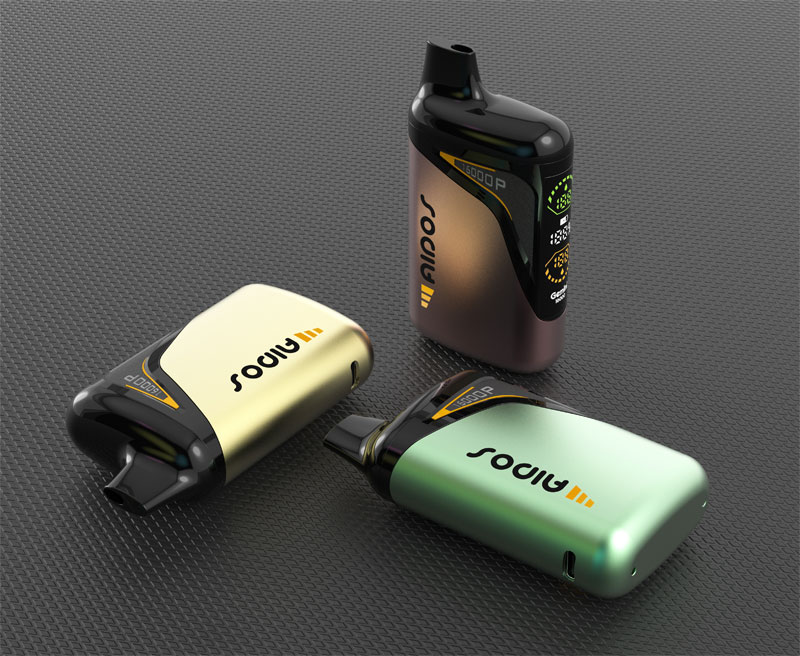
Understanding and preparing properly for airline policies regarding e-cigarettes will make your flying experience smoother, ensuring fewer issues and adhering to necessary safety guidelines.