E Cigarette Safety: Essential Tips and Key Considerations
E-cigarettes have accelerated in popularity over recent years, leading many consumers to explore alternative options to traditional tobacco smoking. When it comes to e cigarette safety, users must be mindful of both physical devices and the substances they inhale daily. As vaping technology evolves and becomes more accessible, prioritizing safety is not just recommended—it’s necessary for protecting your health and the longevity of your device.
Choosing the Right E-Cigarette Device
Every journey begins with an informed choice. When selecting an e-cigarette, consider purchasing only from reputable suppliers to ensure compliance with safety regulations. Reliable brands prioritize high-quality batteries, sturdy construction, and clear ingredient labeling for e-liquids. Counterfeit or poorly assembled devices can pose dangers—unregulated batteries may explode or leak hazardous chemicals, emphasizing the importance of proper sourcing for e cigarette safety.
Proper Battery Maintenance and Charging
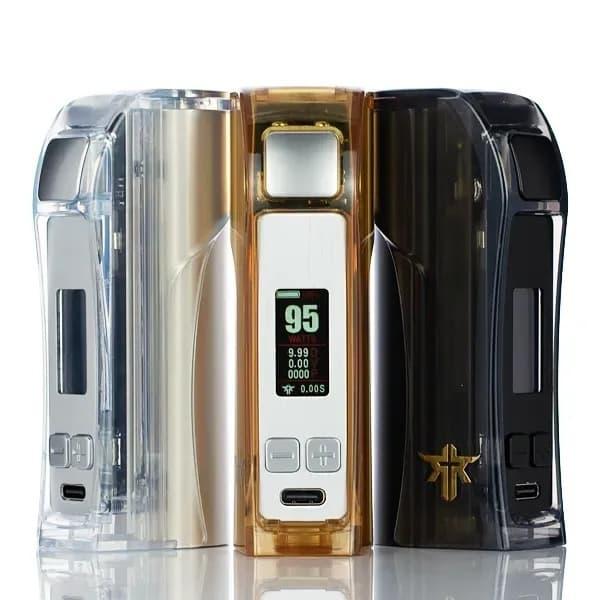
E-cigarette batteries are central to device operation but bring real risks if neglected. Always use the manufacturer’s recommended charger to reduce overcharging and overheating hazards. Never leave your device charging unattended or overnight. Inspect batteries for damage regularly and replace them at the first sign of corrosion, swelling, or leakage. Storing your device away from direct sunlight and extreme temperatures further improves e cigarette safety. Avoid carrying spare batteries in pockets with metal objects, as accidental short circuits can cause burns or serious injury.
Safe Use and Storage of E-Liquids
Nicotine, flavorings, and other substances found in e-liquids are not without risk. Keep all e-liquids out of reach of children and pets, and store containers upright to prevent leaks. After handling refills, wash hands thoroughly to avoid accidental ingestion or skin contact—nicotine poisoning can occur through the skin in concentrated form. When refilling, avoid contaminating your e-liquid by sealing bottles tightly and using clean tools. For enhanced e cigarette safety, check expiration dates and discard any e-liquids displaying changes in color, smell, or consistency, as these can signal degradation or contamination.
Understanding Health Risks Associated With Vaping
While e-cigarettes are often marketed as a safer alternative to smoking, it’s crucial to recognize that vaping is not free of health implications. Inhalation of vaporized substances can affect lung health, trigger allergies, or exacerbate respiratory problems. Recent studies have evaluated the long-term impacts of e-cigarette use, with ongoing research linking certain flavors and additives to pulmonary injuries. Adults with pre-existing conditions or sensitivities should consult healthcare professionals before beginning or continuing use. Responsible practices—including limiting vapor inhalation frequency and abstaining from products with unknown ingredients—contribute to better e cigarette safety.
Regular Cleaning for Hygiene and Longevity
Maintaining your device is as important as monitoring its battery and e-liquid. Gently clean your tank, mouthpiece, and connector with alcohol wipes or warm water to prevent the build-up of residue, which can harbor bacteria. Frequent cleaning enhances flavor, extends coil lifespan, and minimizes microbial exposure. Never immerse the battery in water; only clean non-electrical components to promote optimal e cigarette safety and device performance.
Recognizing and Avoiding Counterfeit Accessories
E-cigarette accessories, such as coils and replacement parts, can significantly affect your vaping experience. Always seek components certified by your device’s manufacturer and avoid using incompatible items. Counterfeit coils may cause device malfunction or hazardous overheating. Look for authenticity seals or codes provided by trusted brands to ensure true e cigarette safety .
.
Preventing Accidental Injury
Misuse of e-cigarettes has resulted in injuries across the globe. To prevent accidents, never modify your device, disable built-in safety features, or attempt homemade repairs unless you are extensively trained. If you notice unusual sounds, leaking, or excessive heat, discontinue use immediately and consult service professionals. Keeping your device away from water and flammable substances further reduces risk. Always follow manufacturer guidelines for safe operation.
Traveling With E-Cigarettes
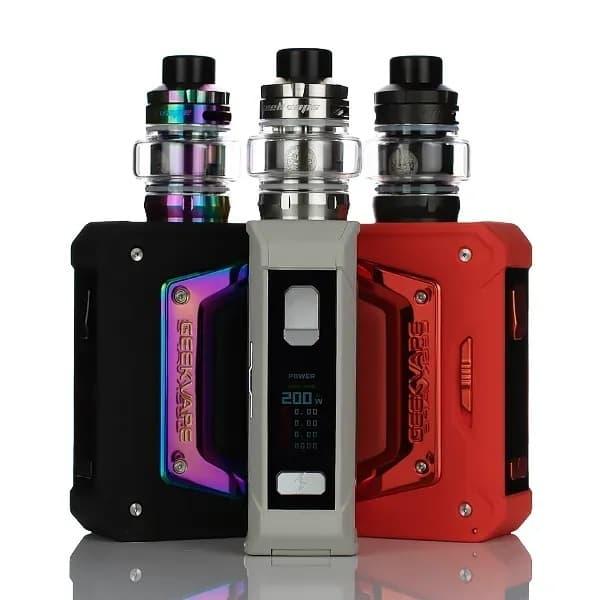
Traveling poses unique challenges for e cigarette safety. Airlines typically restrict e-cigarette use and may require devices to be carried in cabin bags. Remove batteries before flying, and keep e-liquids in compliant containers. Always check regulations for your destination, as local laws on vaping equipment can vary considerably. By planning ahead, you minimize hassle and safeguard your device and others.
Staying Informed: Updates and Innovations
The landscape of vaping safety evolves as new research emerges. Follow reputable sources for updates on recalls, emerging risks, and technology developments. Being proactive ensures that your practices remain informed and aligned with the latest safety standards for e cigarette safety.
Frequently Asked Questions
- What are the main health risks of using e-cigarettes?
- Recent studies indicate that vaping, while potentially less harmful than traditional cigarettes, still carries risks such as respiratory complications, nicotine addiction, and potential chemical exposure. Check with health professionals for advice tailored to your needs.
- How can I tell if an e-cigarette accessory is counterfeit?
- Purchase only from authorized retailers, look for authenticity codes on packaging, and avoid deals that seem too good to be true. Manufacturer websites often detail how to identify genuine components.
- Can I charge my e-cigarette with any USB charger?
- No. For optimal e cigarette safety, always use chargers supplied or recommended by the manufacturer. Using alternative chargers may cause overheating or battery damage.