What Are E Cigarettes?
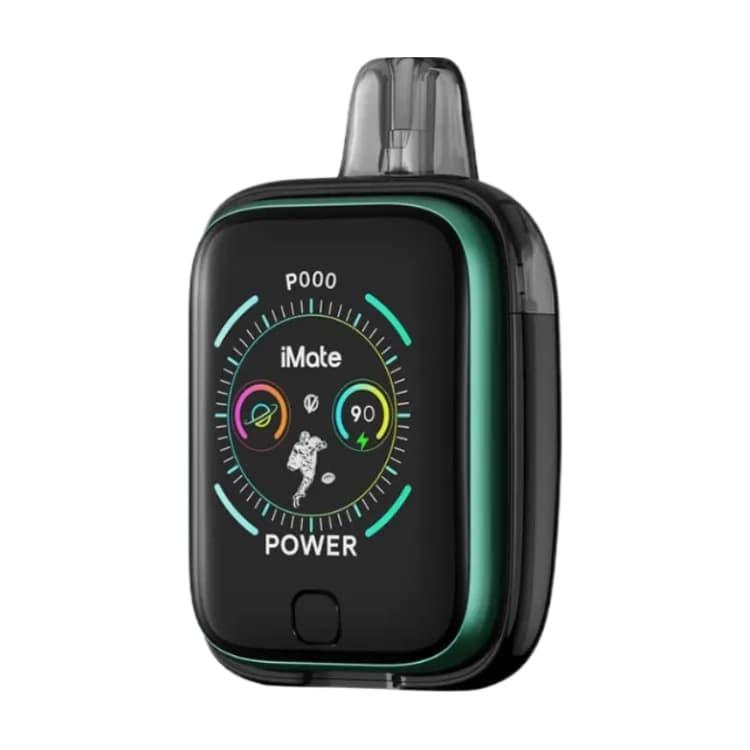
Electronic cigarettes, commonly known as e-cigarettes or vape pens, are battery-powered devices designed to deliver nicotine or non-nicotine vapor through inhalation. Unlike combustible tobacco products, e-cigarettes utilize e-liquids, which often contain nicotine, flavorings, and other chemicals, making them widely popular among youth and adults seeking alternatives to traditional smoking.
Key Components of E-Cigarettes
- Battery and heating element for vaporization
- Cartridge or tank storing e-liquid
- E-liquid composed of propylene glycol, glycerin, nicotine, and additives
The Health Impact of E Cigarettes
Concerns around e cigarette health primarily relate to the chemical composition of vapor and its effects on the human body. Although marketed as safer than traditional cigarettes, e-cigarettes are not without risks. The Centers for Disease Control and Prevention (CDC) report that some e-liquids contain substances associated with lung injury, such as vitamin E acetate, particularly when used in THC-containing products.
Nicotine Addiction and E Cigarettes
Nicotine remains a central focus in the debate on e cigarette health. E-cigarettes deliver nicotine, which can promote dependence and addiction. Adolescent exposure to nicotine alters brain development, affects concentration, memory, and can prime young users for future substance abuse. Adult users also risk heightened dependence, leading to sustained or increased nicotine consumption. Recent studies show that even e-liquids labeled as ‘nicotine-free’ sometimes contain measurable nicotine levels.
Chemical Exposure and Respiratory Risks

E-cigarette vapor typically contains fewer toxicants than tobacco smoke, but still exposes users to hazardous chemicals. Propylene glycol and glycerin, the primary bases, can irritate the respiratory tract. Flavorings such as diacetyl—linked to ‘popcorn lung,’ a rare but serious respiratory condition—are found in many vape juices. The inhalation of metals like nickel, tin, and lead due to heating device components increases the complexity of e cigarette health concerns.
Comparative Health Effects: E Cigarettes vs Traditional Smoking
Substantial research points out that completely switching from smoked tobacco to e-cigarettes reduces exposure to certain carcinogens, suggesting a lower risk for specific health issues. However, dual use (vaping and smoking) doesn’t provide meaningful health benefits and can perpetuate nicotine addiction and associated cardiovascular risks. In addition, e-cigarettes have not been comprehensively studied over the long term, so many unknowns remain about their effects on e cigarette health.
Impact on Cardiovascular Health
- Nicotine increases heart rate and blood pressure
- Can promote vascular damage, though likely less so than combustible cigarettes
- Potential link to higher risk of heart diseases is under investigation
Potential for Youth Appeal
Brightly packaged devices and attractive flavor varieties have made e-cigarettes popular among teens and young adults. This trend presents major public health challenges: early exposure to nicotine and frequent use can worsen outcomes for population e cigarette health, drive nicotine addiction rates up, and lower perceived harm among youth.
Moreover, social influences and online marketing perpetuate new vaping habits faster than education or regulation can keep up, making it critical for parents and educators to communicate evidence-based facts about e cigarette health.
Are E-Cigarettes a Safer Alternative for Smokers?
While some users successfully quit cigarette smoking with vaping, e-cigarettes are not approved by the FDA as cessation devices. Evidence on their efficacy for tobacco cessation is mixed. Though vaping may lower exposure to several toxins found in combustible tobacco, it still exposes users to addictive nicotine and potentially harmful chemicals. Non-smokers, especially adolescents and pregnant women, should avoid e-cigarette use entirely, due to heightened health risks.
Secondhand Vapor Exposure
Secondhand vapor is not water vapor; it contains nicotine, ultrafine particles, and other substances. While generally less hazardous than cigarette smoke, secondhand exposure still raises concern for children, pets, and those with chronic respiratory conditions. The American Lung Association notes that researchers are still uncovering potential long-term risks associated with inhaling e-cigarette emissions indirectly.
Common Misconceptions and Latest Findings
- E-cigarettes are not harmless. Despite lacking many toxins found in tobacco smoke, they still present notable health risks.
- Nicotine addiction can occur rapidly, even with occasional vaping.
- Vape devices can malfunction, causing burns or accidental poisoning, especially in children.
- E-cigarettes may worsen asthma symptoms or trigger lung conditions.
- Recent outbreaks of vaping-induced acute lung injury underscore the importance of purchasing devices and liquids from reputable sources.
Practical Recommendations for E Cigarette Health
If you are considering e-cigarettes, assess the clinical evidence, seek guidance from healthcare professionals, and prioritize products regulated for safety and quality. Never use illicit vaping products or modify commercial devices. Consider that long-term implications of consistent e-cigarette use are not yet fully understood and continue to be investigated by scientific and medical communities worldwide.
Protecting Vulnerable Groups
Young people, pregnant women, and individuals with pre-existing health conditions should avoid all forms of nicotine exposure. Regulation and clear labeling are essential for safeguarding population e cigarette health, but personal attitudes and choices play a crucial role.
Conclusion
E-cigarettes occupy a nuanced position in tobacco harm reduction and public health discourse. Although some harm reduction may be realized for adult smokers switching fully, significant risks remain, particularly concerning addiction, chemical exposure, and youth uptake. Understanding e cigarette health facts can empower users to make informed decisions and protect themselves against unseen dangers.
Frequently Asked Questions
- Are e-cigarettes completely safe?
- No, e-cigarettes are not entirely safe. While they may reduce exposure to certain toxicants compared to smoking, they still pose health risks due to nicotine and chemical inhalation.
- Can vaping help me quit smoking?
- Some individuals have transitioned from smoking to vaping and successfully reduced their tobacco consumption. However, e-cigarettes are not approved cessation tools, and long-term effects remain uncertain.
- Is secondhand vape exposure dangerous?
- Secondhand vapor contains nicotine and other substances that may be harmful, especially to children and individuals with respiratory conditions. Limit exposure where possible.