A Comprehensive Guide to E-cigarettes and Air Travel: Understanding the Essentials
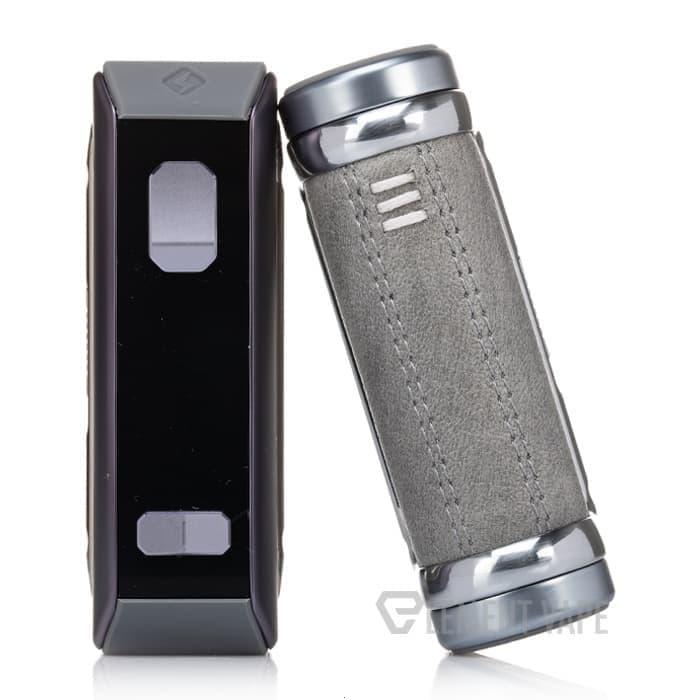
In recent years, e-cigarettes have gained worldwide popularity as an alternative to traditional smoking. This shift towards vapor-based devices has invited new questions, particularly regarding their usage and transportation during flights. For travelers and enthusiasts alike, understanding whether e cigarettes are allowed in flight can be crucial to ensuring a hassle-free journey. This detailed guide delves into regulations, tips, and vital insights you should know about flying with e-cigarettes.
The Fundamentals: What Are E-cigarettes?
E-cigarettes, commonly known as vapes or electronic nicotine delivery systems, are handheld devices that produce an aerosolized vapor, providing a nicotine hit similar to conventional cigarettes but without combustion. They consist of a battery, a heating element, and a cartridge containing e-liquid, which may or may not include nicotine.
- Varieties include disposables, pod systems, and mod kits.
- E-liquids come in a vast range of flavors and strengths.
- Popularity is on the rise due to perceived reduced health risks compared to smoking.
Are E-cigarettes Allowed in Flight? Airline and International Regulations
The key question for every vape user who travels is: Are e cigarettes allowed in flight? The rules are multifaceted and vary by region, airline, and even type of aircraft, so knowing the details before you fly is crucial.
Carrying E-cigarettes Onboard: The Basics
Most airlines and aviation authorities permit passengers to carry e-cigarettes in their carry-on luggage, but not in checked baggage. This is due to the fire risk associated with lithium-ion batteries found in most vaping devices. For instance, the International Air Transport Association (IATA) and the Federal Aviation Administration (FAA) clearly state that e-cigarettes must be packed exclusively in carry-on bags.
Key Airline Policies:
- Cabin Luggage: E-cigarettes must be brought on board in your carry-on bag only.
- Checked Luggage: Prohibited due to battery risk.
- Removal of Batteries: Some airlines may require separating the battery from the device.
Thus, if you’re wondering whether e cigarettes are allowed in flight, the answer is yes, but there are strict rules attached to their transportation and usage.
Can You Use or Charge E-cigarettes in Flight?
While bringing an e-cigarette on a plane is generally permitted, using or charging e-cigarettes during a flight is strictly forbidden on nearly all airlines worldwide. This ban includes all forms of vaping, whether you’re considering a stealthy puff or charging the device using the aircraft’s power outlets. Violating these rules may result in fines or passenger ejection.
Why Are These Restrictions in Place?
Safety is the priority. E-cigarettes have, in rare cases, fired or released vapor unintentionally, prompting stringent measures. In addition, the vapor can trigger smoke detectors or make fellow passengers uncomfortable. Therefore, airlines typically issue clear in-flight announcements reinforcing this restriction.
Tips for Traveling with E-cigarettes Internationally
Before you pack your favorite e-cigarettes for your next journey, keep these travel tips in mind:
- Check Local Laws: Some countries have outright bans on e-cigarettes or restrict the possession and use of vaping devices. For example, Thailand, India, and Singapore have strict penalties for bringing e-cigarettes into the country.
- Stow E-liquids Properly: E-liquids should be carried in containers smaller than 100ml and placed in the standard clear, resealable plastic bag along with other liquids during security checks.
- Battery Management: If you carry spare batteries for your e-cigarette, place them in a protective case, and never in checked baggage.
- Declare if Requested: Some customs authorities may ask about your vaping devices or liquids—honest disclosure avoids unnecessary complications.
Quick Reference Table: E-cigarette Airline Guidelines
| Airline | Bring Onboard | Checked Baggage | In-flight Use |
|---|---|---|---|
| Delta | Yes (carry-on only) | No | No |
| Emirates | Yes (carry-on only) | No | No |
| Lufthansa | Yes (carry-on only) | No | No |
The Science Behind E-cigarettes: Safety and Public Perception
Public perception of e-cigarettes varies considerably. Some regard these devices as an effective smoking cessation tool, while others raise concerns about their safety, particularly with respect to their use in confined spaces such as airplane cabins. Although long-term health studies are ongoing, current evidence suggests lower levels of harmful chemicals in vapor compared to cigarette smoke, but not a complete absence of risk.
Reasons Behind Airline Regulations
- Fire Hazard: Lithium batteries can ignite if damaged, short-circuited, or exposed to excessive heat—prompting the ban on checked baggage.
- Smoke Detection: Vapor may accidentally set off in-flight smoke detectors, creating unnecessary panic or emergency landings.
- Passenger Comfort: The unique odor and visibility of the vapor can cause concern or discomfort for non-users in a pressurized cabin.

Frequently Updated Regulations: Why You Need to Stay Informed
Laws about e-cigarettes evolve rapidly as new health evidence emerges and social attitudes shift. Airlines, airports, and national governments regularly update their policies, which is why it’s essential to check current regulations prior to every trip. Even if e cigarettes are allowed in flight on one carrier or route, connecting airports or destination countries may have different rules.

Airports: E-cigarette Use in Terminals
Just as in flight, most airports ban the use of e-cigarettes inside terminals. Exceptions apply in some designated smoking zones, often shared with cigarette smokers. Always look for clear signage, or ask airport staff about permitted vaping locations to avoid fines or ejection.
Notable Airport Policies
- London Heathrow: No vaping inside, smoking zones available outside terminals.
- Singapore Changi: Strictly banned in all indoor and outdoor areas.
- JFK (New York): Vaping treated like smoking; only allowed outside terminal boundaries.
For globetrotters, ensuring compliance with every leg of your journey, including layovers, is vital.
Packing Tips for E-cigarette Users Before Flying
- Disassemble Devices: Separate batteries from tanks when possible.
- Empty the Tank: Cabin pressure can cause e-liquid leaks; travel with an empty tank and refill after landing.
- Use Certified Chargers: Prevent battery malfunctions with manufacturer-approved charging equipment.
- Accessibility: Keep devices and liquids accessible for security checks and to comply with cabin bag restrictions.
Proper preparation ensures your e-cigarettes remain intact and legal throughout your journey.
Vaping Culture in Air Travel: A Global Perspective
Cultural acceptance of e-cigarettes varies: in some countries, vape-friendly lounges or shops are common; in others, possession is a criminal offense. Always research local laws before your departure. For example, Australia strictly regulates nicotine e-liquids; Japan permits only non-nicotine vapes; Middle Eastern nations may confiscate devices entirely.
Regions with Stringent E-cigarette Laws
- India: Complete ban on vaping products.
- Thailand: Harsh penalties for importing, selling, or using e-cigarettes.
- Brazil: Nationwide ban on sales and imports.
Conclusion: Safely Navigating Air Travel With E-cigarettes
Understanding how e-cigarettes are regulated on flights is pivotal for both convenience and legal compliance. While e cigarettes are allowed in flight as carry-on items, universal rules prohibit their usage and charging on board. Adhering to airline, airport, and destination regulations is essential—both for your peace of mind and the comfort of fellow passengers. Stay informed, check with your carrier before travel, and always pack your e-cigarette gear in accordance with the latest guidelines.
Best Practices at a Glance
- Transport only in carry-on bags.
- Do not use or charge on board.
- Adhere to all destination laws and customs requirements.
- Check your device and liquid restrictions before every trip.
FAQ: E-cigarettes and Air Travel
- Can I use e-cigarettes on the plane?
- No, the use of e-cigarettes is strictly prohibited during all phases of a commercial flight.
- Are e-cigarettes allowed in checked baggage?
- No, you must keep all e-cigarettes in your carry-on luggage due to battery safety concerns.
- Can I bring e-liquids in my hand luggage?
- Yes, provided each container is less than 100ml, and they are presented in a clear plastic bag during security screening.
- What should I do if my destination bans e-cigarettes?
- Research the country’s laws. In extreme cases (such as Thailand or India), do not bring the device. Penalties can include fines, confiscation, or legal prosecution.