Leading Advances in Modern Vaping Technology
The landscape of portable nicotine delivery has evolved rapidly over the past decade, and understanding the latest innovations can help consumers make smarter decisions about devices and sustainability. When discussing trends in e-cigarettes and the growing demand for eco friendly vape solutions, it’s important to separate marketing claims from real advances in engineering, materials science, and user behavior. This long-form guide explores hardware improvements, refill and recycling strategies, energy-efficient systems, economical approaches, and real-world steps to reduce waste while enjoying vaping.
Why innovation matters for e-cigarettes and eco impact
Consumers choose e-cigarettes for a variety of reasons: reduced smoke, flavor variety, convenience, and as a potential tool for reducing combustible cigarette consumption. But along with convenience comes environmental cost — disposable devices, plastic pods, unused batteries, and single-use packaging contribute to a growing ecological footprint. The rise of eco friendly vape thinking prompts manufacturers, retailers, and users to rethink product design, end-of-life handling, and cost-per-use metrics. Smart innovations aim to improve longevity, reduce disposable waste, and lower operating costs.
Core design innovations reshaping product lifecycles
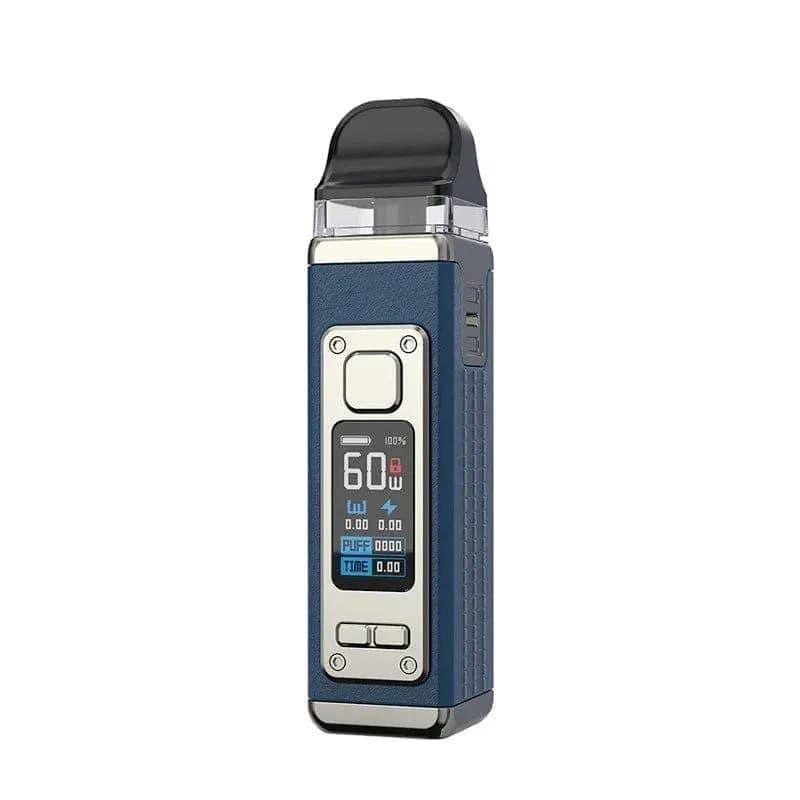
- Modular systems: Replaceable components and modular pods mean devices last years rather than weeks. Instead of single-use plastics, modular e-cigarettes let users swap heating coils, batteries, and cartridges.
- Rechargeable pod evolution: High-quality rechargeable pods with refillable e-liquid ports combine convenience and reduced waste compared to sealed disposables.
- Remanufactured and certified refurbished units: Programs that refurbish devices extend life cycles and often include battery health checks and hygienic replacement mouthpieces to maintain safety.
- Advanced battery management: Smart battery circuitry increases cycle life and reduces degradation, so fewer cells end up in landfill each year.
Materials science: what makes a vape device greener?
Material choices heavily influence recyclability and environmental impact. Bioplastics, recyclable alloys, and reduced mixed-material assemblies simplify recycling. Innovations in e-cigarettes include stainless or anodized aluminum chassis that can be separated from plastic internals, and single-material pod housings designed for mechanical recycling processes. Some brands experiment with biodegradable mouthpieces or refill bottles for e-liquid that cut single-use plastics.
Refill systems and e-liquid stewardship
Refillable systems are one of the most impactful ways to lower the ongoing footprint of vaping. A few effective strategies and innovations:
- Concentrated e-liquids and smaller dosing bottles reduce packaging volume per dose.
- Standardized refill adapters enable many devices to accept the same refill bottles, reducing SKU proliferation and empty packaging.
- Child-resistant but refill-friendly caps that do not require outer cartons decrease paper waste.
Economics: How eco choices save money
Investing in higher-quality, refillable e-cigarettes may have a larger upfront cost but substantially lower cost-per-use versus disposables. Users typically save money by switching to sealed-coil rebuildable kits, buying e-liquid in larger multipacks, and maintaining batteries properly. Eco-friendly decisions and frugal tactics often align: buy once, maintain, and reuse. Over a year, reduced purchasing frequency and lower waste disposal costs can offset initial investment in greener devices.
Practical maintenance to extend device life
Routine care preserves performance and reduces replacement frequency. Simple yet effective practices include:
- Regular cleaning of mouthpieces and pods to prevent residue buildup.
- Proper charging habits: avoid extreme temperatures and deep cycling when not needed.
- Replacing coils only when flavor or vapor production declines rather than on arbitrary schedules.
- Using protective cases to prevent drops and housing damage.
Tip: Treat high-quality e-cigarettes like any other precision device — a little care goes a long way.
Waste reduction: collection, recycling, and take-back programs
One of the most impactful shifts in industry practice is the development of take-back schemes and battery recycling programs. When brands and retailers facilitate safe returns, devices and modules can be disassembled and valuable metals recovered. Look for local drop-off points for batteries and electronics, or mail-back programs that some manufacturers sponsor. Recycling reduces the strain on raw material supply chains and prevents hazardous waste from entering municipal systems.
How to participate in responsible disposal
Steps consumers can take right away:
- Separate batteries from device bodies and follow local e-waste rules for battery disposal.
- Collect used pods in a sealed container to prevent leakage and bring them to designated recycling points.
- Buy from brands with transparent circular economy initiatives and clear end-of-life instructions.
Packaging and distribution: small design changes with big effects
Packaging innovations reduce weight, shipping volume, and ultimately carbon footprint. Minimalist packaging, elimination of unnecessary inserts, and using recycled cardboard and soy-based inks are practical steps brands adopt. Bulk shipping options for refills and concentrated solutions are also an eco advantage: less frequent deliveries and lower per-unit emissions.
Energy efficiency and charging innovations
Battery and charging tech influence both cost and environmental impact. Fast charging is convenient but can stress cells and shorten lifespan if overused. Innovations include adaptive charging systems that taper current to extend cycle life, USB-C universal chargers to reduce cable clutter, and integration of low-power sleeping states to reduce parasitic draws. Wireless charging convenience must be balanced with efficiency losses; wired, efficient chargers often remain the greener choice for routine use.
Health, safety, and regulation
Green innovations cannot compromise safety. Quality control, child-resistant features, and clear labeling remain critical. Regulators are increasingly focused on ingredients disclosure, battery safety, and product marketing. Choosing certified products from reputable manufacturers reduces the risk of poor materials or poorly assembled batteries ending up in waste streams. Consumers seeking greener options should prioritize both environmental credentials and safety certifications.
Community-based strategies and social innovation
Local vaping communities and retail shops can play a role by hosting swap events, device clinics, and education sessions on maintenance and recycling. Peer-to-peer repair knowledge spreads best practices for longevity and waste reduction. Community reuse markets allow people to buy and sell used but functional devices, extending product life and reducing demand for new units.
Checklist: Choose greener gear and habits
Use this concise checklist as a decision aid when selecting or using vape products:
Buy refillable rather than disposable pods where possible.
Choose modular devices with replaceable components.
Prefer reputable brands with clear recycling or take-back programs.
Maintain batteries with recommended charging habits.
Buy e-liquid in bulk and reuse bottles when safe and practical.
Store used pods and batteries for proper recycling to avoid landfill contamination.
Case studies and emerging business models
Several companies experiment with subscription refill models that deliver e-liquid in concentrated form and accept used pods during subsequent deliveries. Other startups focus on cradle-to-cradle product design where components are manufactured for disassembly and recycling from day one. These models reduce waste and create predictable streams of returnable materials, simplifying recycling logistics and lowering cost per user.
Consumer tips for saving money without sacrificing experience
Smart practices that lower spending include: buying quality devices with replaceable coils, using DIY coil kits if safe and experienced, switching to larger-volume e-liquid bottles to reduce packaging cost, and participating in retailer loyalty programs for discounted refills. Combining these choices with an eco friendly vape mindset yields financial advantages and environmental benefits simultaneously.
Avoiding pitfalls and greenwashing
Beware of vague claims like “natural” or “eco” without evidence. Look for specifics: material composition, recycling partnerships, battery certifications (e.g., UN 38.3 shipping compliance), and transparent life cycle information. Greenwashing confuses consumers and delays meaningful progress. Demand clear information and verify claims where possible.
Future directions: what to watch next
Keep an eye on several technological and policy developments: standardized pod formats that improve interchangeability and recycling efficiency; legislative advances that require producer responsibility for electronic nicotine delivery system waste; improvements in biodegradable component technology; and new battery chemistries with better longevity and lower environmental impact. Each of these can meaningfully shift the footprint of e-cigarettes and enable more viable eco friendly vape practices across the industry.
Quick reference: top ten actions for greener, cheaper vaping
- Choose refillable pods and quality devices.
- Follow proper charging and storage practices.
- Buy e-liquid in bulk and store properly to extend shelf life.
- Use modular, repairable hardware rather than disposables.
- Participate in recycling or take-back programs.
- Advocate for local e-waste options if none exist.
- Keep receipts and documentation for warranties and refurb programs.
- Share parts and knowledge within local groups.
- Avoid single-use options when safe alternatives exist.
- Verify eco claims and prioritize certified products.
Adopting these approaches not only reduces environmental burden but also protects your wallet over the long run by reducing the frequency of replacements and maximizing the value of each device.
Conclusion: practical balance between convenience and stewardship
Transitioning to greener vaping doesn’t demand perfect choices overnight. Incremental changes — selecting a refillable e-cigarettes system, learning basic maintenance, choosing brands with recycling programs, and adjusting purchasing habits — add up. The intersection of technology, policy, and consumer behavior will continue to shape accessible eco friendly vape options. By staying informed and favoring durability, repairability, and responsible disposal, vapers can reduce waste and save money without sacrificing the experience they value.
Frequently Asked Questions
A: Generally yes—refillable devices reduce single-use plastics and packaging, and a quality device used for months or years usually has a lower per-use footprint. However, the total impact depends on user behavior and proper end-of-life disposal.
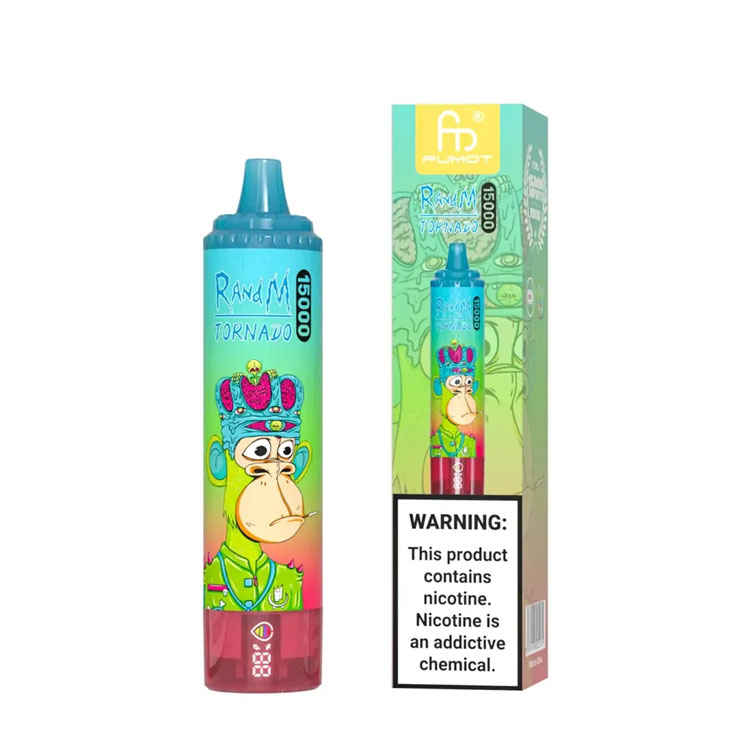
A: Remove batteries where possible, store them safely, and take them to approved battery recycling centers. For pods, follow brand take-back schemes or bring them to e-waste or dedicated recycling points; never throw batteries or leaking pods in regular trash.
A: Yes, switching to refillable systems, buying e-liquids in bulk, and maintaining batteries can lower cost-per-use significantly, often offsetting higher initial investment.