Vape Essentials: Understanding the Parts That Shape Your Flavor and Performance
Whether you’re refining flavor, troubleshooting a device, or learning the basics for a safer habit, knowing the anatomy and maintenance of Vape kits and electronic cigarette components is essential. This comprehensive guide is designed to walk you through each major part—from atomizer to airflow—and to provide practical repair tips and performance tuning ideas that help you extract the best possible experience from your device. The goal here is not only to improve taste and vapor production but also to extend component lifespan and maintain safety.
Overview: Core electronic cigarette components and why they matter
At its core, a modern Vape system is a synergy of components: batteries, atomizers, coils, wicks, pods or tanks, airflow channels, and the firmware or mechanical connections that control power. Each part affects flavor, throat hit, cloud density, longevity, and safety. Understanding these interactions enables smarter upgrades and better troubleshooting when problems arise. Below, we break down each component and offer targeted repair and maintenance strategies tailored to prolong function and optimize performance.
1. Battery and Power Delivery: Keep the heart of your Vape healthy
Battery health is paramount for both performance and safety. Most devices use removable 18650 or integrated lithium-ion packs. Symptoms of a failing battery include rapid discharge, device shutdowns, overheating, or voltage inconsistencies. Regular checks and best practices include:
- Inspecting battery wraps for tears or abrasions; rewrap or replace if damage is found.
- Using a quality external charger for removable cells and avoiding overnight or unattended charging when possible.
- Monitoring battery temperature; if a battery becomes hot during normal use, stop and test it with another cell or consult a professional.
- For regulated Vape mods, updating firmware (when available) can improve power delivery and safety protections.
Repair tips for battery-related faults
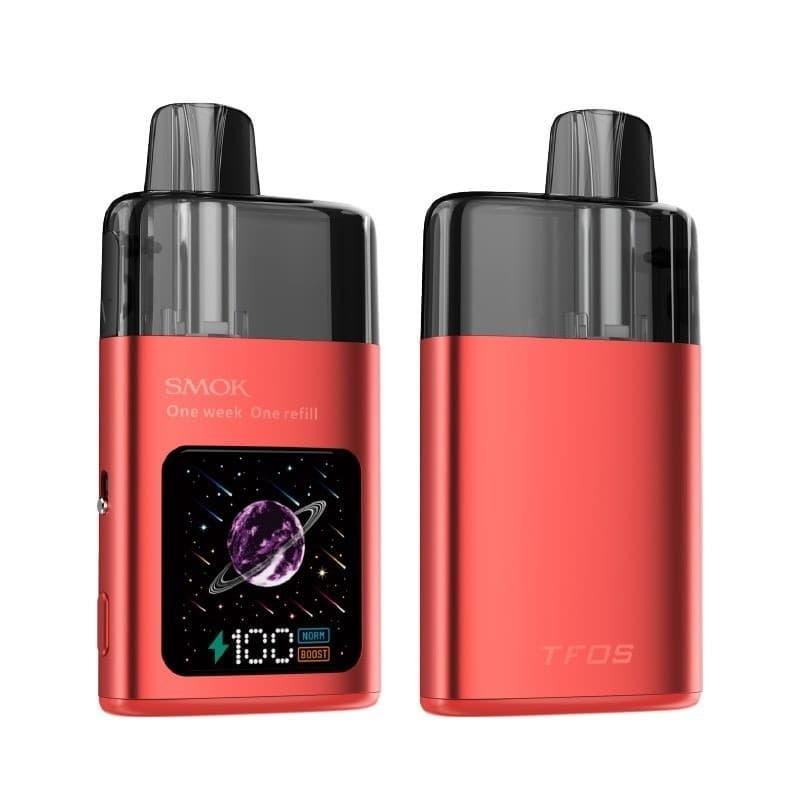
If a device shows intermittent power, check for dirt or corrosion on the 510 pin and battery contact points; a soft toothbrush and isopropyl alcohol often resolve contact resistance issues. For mechanical mods, confirm threading alignment and that the positive pin is not stuck or recessed. For integrated devices, inspect flex connectors and solder joints; cold solder joints can be reflowed by an experienced technician.
2. Atomizers, Coils and Wicks: The flavor engine of your Vape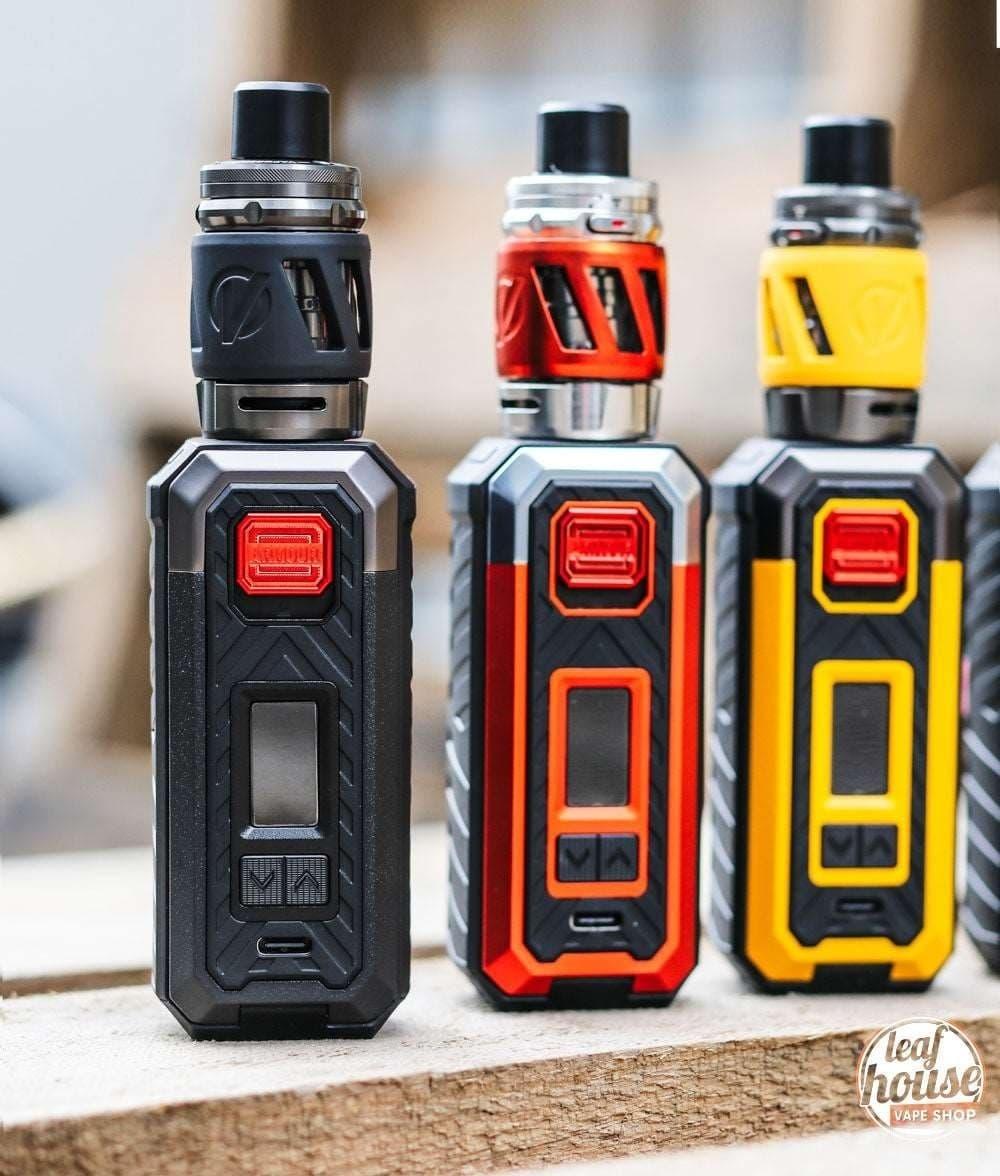
The atomizer assembly includes the coil and wick—usually cotton or alternative fibrous material—responsible for vaporizing e-liquid. Coil resistance, build style, and wick placement directly influence flavor, vapor, and e-liquid efficiency. Common coil types include single coil, dual coil, mesh, and ceramic. Mesh coils often provide more even heating and richer flavor, while ceramic options can be longer lasting but may require careful priming.
- Prime coils before installation to avoid dry hits: saturate wick with e-liquid and let soak for several minutes.
- Adjust coil position to align with airflow slots for balanced vapor flow and cooling.
- Replace coils in predictable intervals; burnt taste, decreased vapor, or darkened e-liquid are signs it’s time.
DIY repair and rebuild advice
For rebuildable atomizers (RDA/RTA), keep wire stock (Kanthal, NiChrome, Nichrome, or stainless steel) and cotton on hand. Regularly inspect for hot spots and ensure even glow during dry firing. For mesh strips, trim edges to avoid shorts and wick with tight but not excessively dense packing. Safety note: when building temperature control coils, choose compatible wire types and confirm resistance values before use.
3. Tanks and Pods: Seals, glass, and airflow maintenance
Leaks and inconsistent airflow are often tank- or pod-related. Inspect O-rings, seals, and glass for cracks. Replace damaged O-rings promptly; carry spares. Cleaning routines: disassemble, rinse with warm water, and use isopropyl alcohol for stubborn residue. Allow all parts to dry fully before reassembly to avoid diluted e-liquid and gurgling.
- Ensure top or bottom filling ports are closed properly to prevent leaks.
- If you experience gurgling, clear excess e-liquid from the airflow channel by blowing gently from the mouthpiece while keeping the airflow open.
- When swapping e-liquid strengths or flavors, rinse the tank to avoid cross-contamination and residual taste.
4. Airflow and Drip Tips: Fine-tuning your draw
Airflow controls the draw resistance, temperature, and vapor density. Wide-open airflow favors cloud production while tighter airflow emphasizes flavor and warmth. Drip tips affect mouthfeel and heat transfer; heat-resistant materials and wide-bore tips are preferable for high-wattage builds. When repairing airflow issues, confirm that airflow rings spin freely and that internal airflow channels are free from debris or condensed e-liquid.
5. Connectivity: 510 Pins, Threads and Electrical Contacts
Many performance issues stem from poor electrical contact. Clean the 510 connection with a small amount of isopropyl alcohol on a cotton swab and ensure the center pin is springy and not depresssed or corroded. For devices with replaceable 510 plates, inspect insulators for cracking. For hybrid or direct-connect setups, ensure safe pin protrusion to avoid short circuits with low-profile atomizers.
Quick fixes
- Tighten loose atomizers but avoid over-tightening which damages threads.
- Use contact cleaner for stubborn residues; avoid harsh solvents that may degrade insulators.
- Replace stripped threads with a replacement top cap or consult a repair specialist if internal housing is damaged.
6. Firmware and Controls: Software tweaks for better function
Modern regulated devices feature firmware that controls power curves, temperature control, and safety cutoffs. Updating firmware can resolve bugs, add profiles, and improve battery management. Before upgrading, backup your settings and confirm the update source is official. If buttons become unresponsive, inspect for sticky residue or misaligned switches; many button assemblies can be disassembled and cleaned with electronic contact cleaner.
7. Common symptoms and systematic troubleshooting
Follow a stepwise approach: (1) identify the symptom (no power, weak vapor, leaking, burnt taste), (2) isolate the component (battery, coil, tank, airflow), (3) replace consumables (coils, wicks, O-rings) first, (4) clean contacts and threads, (5) test with a known-good component. This reduces wasted time and pinpoints faults faster.
8. Safety protocols and quality assurance
Always prioritize safety when performing repairs: use the right tools (precision screwdrivers, resistance meter, ceramic tweezers), verify battery compatibility, and follow ohm’s law basics for coil builds. Never use damaged batteries and avoid mixing old and new batteries in multi-cell mods. For integrated batteries showing swelling, immediate safe disposal at a certified e-waste or battery recycling point is mandatory.
9. Optimization tips to boost your Vape experience
- Match coil resistance and wicking material to your preferred VG/PG ratio to reduce spitback and optimize flavor.
- Experiment with airflow settings and mouthpiece styles to find the balance between flavor and vapor you prefer.
- Consider mesh coils for faster ramp-up and broader heating surfaces when chasing flavor clarity.
- Maintain a cleaning schedule: weekly deep cleans for tanks and monthly checks for battery and device housings.
10. Tools and supplies every enthusiast should keep
Stock a small repair kit: precision screwdrivers, spare O-rings in multiple sizes, cotton, wire cutters, an ohm meter or regulated device for resistance checking, spare glass for tanks, and a roll of high-temperature tape for temporary sealing. These items dramatically reduce downtime and improve the odds of successful DIY repairs.
11. Advanced repair techniques and when to consult a professional
For soldering connections, reflowing micro joints, or diagnosing internal PCB issues, proper tools and experience are required. If you lack a soldering iron or confidence, consult a professional repair center to avoid causing irreversible damage. For complex symptoms—like intermittent shorts that trigger protection circuits—seek certified technicians who can trace faults without risking safety.
12. Environment and maintenance best practices
Store devices in a cool, dry environment and avoid direct sunlight that can degrade e-liquid and battery health. Carry e-liquid in sealed bottles and keep spare coils cool and dry. For long-term storage, discharge batteries to manufacturer-recommended levels and store separately in protective cases.
13. Upgrading parts wisely
When upgrading, prioritize compatibility: check thread types, wattage ranges, and coil resistance limits. Upgrading to a higher-quality tank or mesh coil may significantly enhance flavor with minimal effort, while changing to a more robust battery or regulated mod can improve safety and power stability.
14. Troubleshooting checklist (concise)
- Burnt taste: replace coil, ensure proper priming, check wattage against coil spec.
- Weak vapor: clean contacts, replace coil, check battery charge and voltage delivery.
- Leakage: replace O-rings, ensure correct coil seating, check fill port caps and airflow alignment.
- Device not firing: confirm battery installed correctly, clean 510, test with alternate tank.
15. How to extend coil life
Start with lower wattage for the first few hits, avoid chain vaping when wetting is insufficient, and choose e-liquids with proper viscosity for your coil type. Sweet or dark-colored juices tend to gunk coils faster; rotate flavors or use higher-PG blends to reduce buildup.
16. Frequently ignored but important details
Insulator degradation, micro-cracks in glass, and hairline fractures in plastic pods can cause hard-to-diagnose faults. Inspect components visually and under a magnifier when troubleshooting persistent issues. Also, ensure firmware and software tools used for updates are official to prevent bricking devices.
Vape lifestyle: balance performance, safety, and sustainability
Enhancing your sessions isn’t only about chasing clouds; it’s about reliable, safe enjoyment with components maintained and repaired thoughtfully. Replacing consumables on time, using correct tools for DIY repairs, and sourcing quality replacement parts will collectively boost your long-term experience while keeping safety standards high.
If you prefer a quick summary: keep batteries healthy, prime and replace coils appropriately, maintain clean connections, and address leaks and airflow issues early. These steps will optimize flavor, reduce unexpected failures, and extend the longevity of your electronic cigarette components.
When to seek professional help
Professional servicing is advisable if you encounter battery swelling, persistent shorts, internal liquid damage, or signs of PCB failure like random firing or unresponsive screens. Certified technicians can perform safe disassembly and repairs that preserve your device and prevent hazards.
Conclusion: Informed upkeep for better sessions
Regular inspection, timely replacement of consumable electronic cigarette components, and careful DIY repairs where appropriate will dramatically improve reliability and enjoyment. With the right knowledge and tools, you can diagnose and fix most common issues, fine-tune flavor and vapor production, and use upgrades wisely to suit your preference.
Thank you for investing time to understand how individual parts influence the total Vape experience. Apply these techniques responsibly, and always prioritize safety. Explore, experiment, and maintain—those are the pillars of a superior and sustainable vaping journey.
FAQ
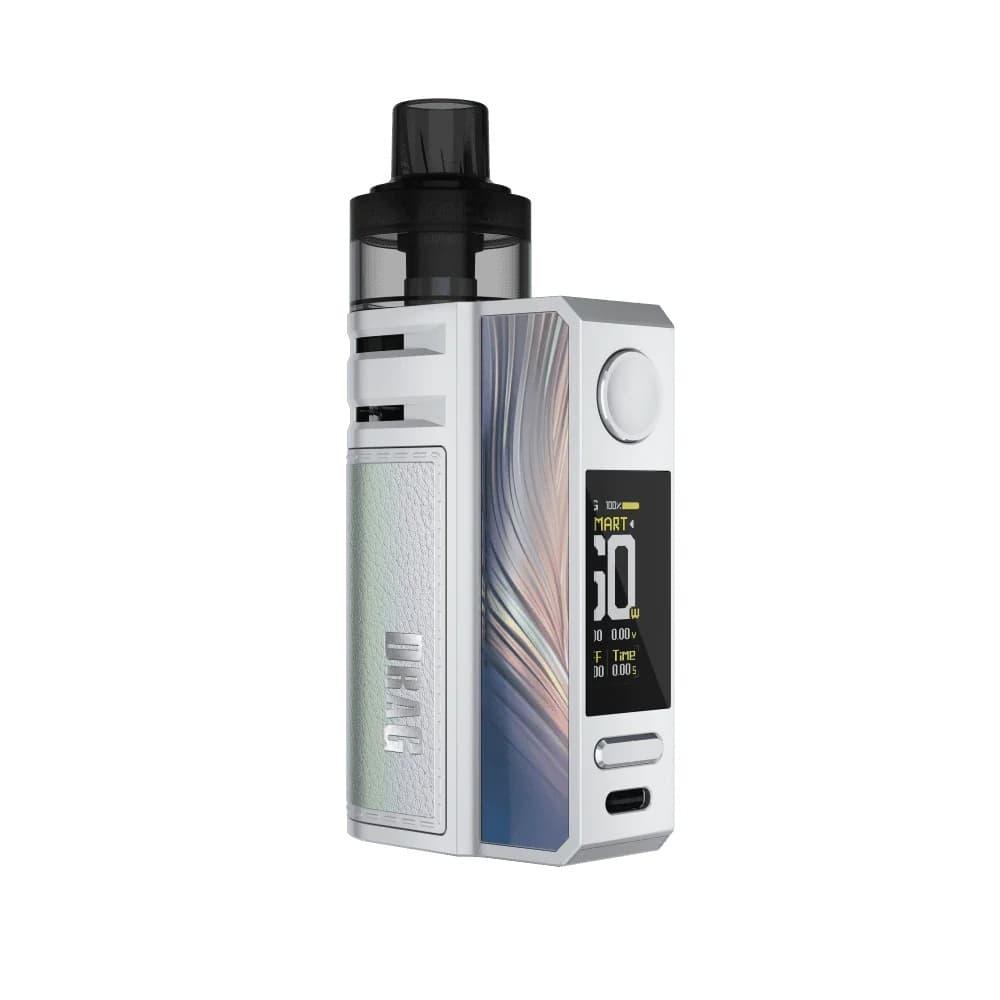
- Q: How often should I replace coils? A: Replace coils when you notice burnt taste, decreased vapor, or darker e-liquid; frequency depends on juice type but often ranges from 1 to 3 weeks for regular users.
- Q: What is the safest way to dispose of old batteries? A: Use designated battery recycling centers or e-waste facilities; never throw lithium batteries in household trash.
- Q: Can I mix different battery brands in one mod? A: No—mixing old and new or different brands can cause imbalance and risk; use matched batteries with similar age and charge cycles.
- Q: Why does my tank keep leaking? A: Common causes are worn O-rings, improper coil seating, overfilling, or airflow misalignment; inspect and replace seals, and ensure correct assembly.