Understanding modern vaping: practical insights into e papelrosy alternatives and harm considerations
What are e papierosy and how do they fit into today’s nicotine landscape?
The term e papierosy has become a common label in many European conversations about nicotine delivery devices; it broadly refers to electronic cigarette systems, sometimes called e-cigarettes, vape pens, pod systems or electronic nicotine delivery systems (ENDS). While language changes across regions — with different words and slang — the central idea remains: these devices heat a liquid (commonly called e-liquid or vape juice) to produce an aerosol the user inhales. Unlike traditional combustible tobacco products, e papierosy contain no burned leaf, which is why much of the public health debate centers on whether inhaling that aerosol is safer than inhaling cigarette smoke. This overview explores device types, common ingredients, potential risks, harm reduction context and guidance from health experts.
Core components of a typical device
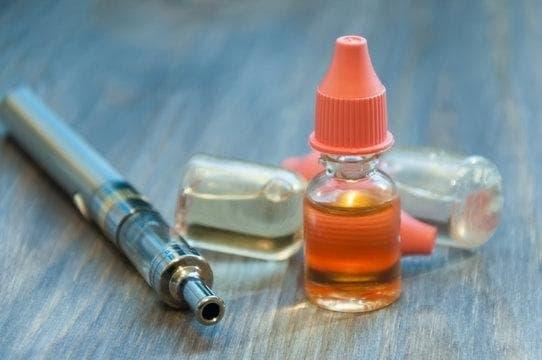
Most e papierosy units share four basic parts: a battery or power source, a tank or cartridge to hold the e-liquid, a heating element (coil/atomiser) and a mouthpiece. Devices vary in complexity from single-use disposables to advanced refillable systems. E-liquids typically combine propylene glycol (PG), vegetable glycerin (VG), nicotine (optional and variable in strength), and flavourings. While each ingredient is used safely in many consumer products, inhalation exposes users to a different route and concentration, which has driven research into respiratory effects and systemic absorption.
Common questions people ask
- Are e-cigarettes less harmful than smoking? Many health authorities recognise that smokers who switch completely to e papierosy may reduce their exposure to certain toxicants found in combustion, but reduced exposure does not equal harmless. Comparative risk estimates vary by study and depend on product type and usage patterns.
- Do e-cigarettes help people quit smoking? Some clinical trials and real-world evidence indicate that nicotine-containing e-cigarettes can help some smokers quit when combined with behavioural support; however, the effectiveness is influenced by product quality, nicotine delivery, and user motivation.
- Can people who never smoked start vaping safely?
 Health experts generally advise against non-smokers taking up e papierosy because nicotine is addictive and there are unknown long-term effects of inhaling vapourized chemicals.
Are e cigarettes safe to use: what experts say
When asked “are e cigarettes safe to use?”, the most consistent expert response is nuanced: relative safety compared to smoking differs from absolute safety. Public health agencies, lung health specialists and toxicologists emphasise three themes: risk reduction for established smokers, potential risks for young people and non-smokers, and uncertainty about long-term outcomes. Leading organisations recommend that combustible cigarette smokers who cannot quit should consider evidence-based alternatives under clinical guidance, while adolescents, pregnant people and never-smokers should avoid vaping.
Key safety considerations
- Nicotine dependence: Nicotine is psychoactive and addictive. Using e papierosy can establish or perpetuate dependence.
- Acute respiratory effects: Some users report throat irritation, cough, chest tightness and shortness of breath. Certain formulations and additives are more likely to cause irritation.
- Cardiovascular responses: Nicotine increases heart rate and blood pressure transiently. People with existing cardiovascular disease should consult clinicians before using nicotine-containing products.
- Device and battery safety: Misuse of batteries or chargers has led to overheating and burns in rare cases; following manufacturer guidance reduces those risks.
- Contaminants and quality control: Low-quality or illicit products may contain harmful contaminants (eg, vitamin E acetate found in some illicit THC cartridges linked to lung injury outbreaks). Reputable products manufactured under quality standards have lower risk profiles.
Evidence from epidemiology and clinical research
Clinical trials exploring smoking cessation have produced mixed but encouraging results, particularly when e-cigarettes are combined with support services. Observational studies have raised concerns about dual use (smoking and vaping) and continued nicotine exposure. Longitudinal data on chronic respiratory disease, cancer risk and cardiovascular endpoints are still emerging; the latency for many smoking-related diseases means definitive long-term comparisons will take decades. Meanwhile, toxicology studies consistently show lower levels of many carcinogens in vapour compared with cigarette smoke, yet traces of volatile organic compounds, metals and thermal degradation products can be found in some aerosols, especially at high power settings or with certain flavouring chemicals.
Special populations: pregnancy, youth and people with chronic illness
Pregnancy: e papierosy are not recommended for pregnant people due to nicotine’s potential impact on fetal brain development and the absence of proven safety. Youth: adolescent brain development is sensitive to nicotine and early exposure increases the likelihood of persistent use and subsequent addiction. Chronic illness: people with asthma, COPD or cardiovascular disease should discuss risks with healthcare providers; vaping may trigger symptoms in some individuals.
Practical harm reduction: what clinicians advise
Health professionals applying harm-reduction principles focus on reducing overall harm rather than endorsing any nicotine use. Advice often includes: complete switching rather than dual use, selecting regulated products with stable nicotine delivery, avoiding illicit or modified cartridges, using lower temperatures and avoiding unnecessary additives. Clinicians emphasise behavioural support and evidence-based pharmacotherapies when available.
How to evaluate product safety and quality
Consumers and clinicians can assess devices by checking for safety certifications, manufacturer transparency about ingredients, battery quality and compliance with local regulations. Reputable vendors provide batch testing results, nicotine concentration accuracy, and clear usage instructions. Labels and lab reports that identify contaminants, heavy metals or harmful by-products are signs of manufacturer accountability.
Flavours, additives and chemical concerns
Flavourings are a contentious topic. While flavours can help smokers transition away from cigarettes, certain flavouring chemicals that are safe to ingest are not necessarily safe to inhale. Diacetyl, for instance, has been associated with bronchiolitis obliterans in industrial exposures; it has been detected in some flavoured e-liquids, prompting calls for stricter regulation and transparency. Health experts recommend avoiding products with unknown or proprietary flavouring blends and favouring those with independent chemical analysis.
Practical tips for smokers considering switching
- Discuss options with a healthcare provider and combine behavioural support with product choice.
- Choose products with clear ingredient labelling and reputable manufacturing practices.
- Aim for complete cessation of combustible cigarettes rather than dual use.
- Monitor symptoms and seek medical care for persistent cough, chest pain or breathing difficulties.
- Store devices and liquids away from children and pets; nicotine-containing e-liquids are toxic if ingested.
Regulation, policy and public-health balance
Regulatory approaches vary: some countries restrict flavours or nicotine strength, others impose taxation and advertising limits, while a few have embraced regulated access to support smokers who want to quit. Policy decisions often balance two competing goals: reducing harm among current smokers and preventing initiation among youth. The most effective frameworks combine product standards, age restrictions, marketing controls and public education.
Common myths and evidence-based clarifications
Myth: Vaping is completely harmless because there is no smoke. Fact: Vapour contains fewer and often lower concentrations of harmful chemicals than cigarette smoke, but inhaled aerosols are not risk-free.
Myth: All e-cigarettes are the same. Fact: Device type, power settings, liquid composition and user behaviour all influence exposure levels; one product’s safety profile may not apply to another.
How researchers study safety
Research employs in vitro toxicology, animal models, human clinical trials, population surveillance and chemical analysis of products and aerosols. No single study answers the whole question of “are e cigarettes safe to use“; rather, the body of evidence accumulates and is interpreted by independent agencies to guide practice and policy.
Consumer checklist: make informed decisions
Before you choose to vape, consider the following checklist: Are you a current smoker trying to quit? Have you tried other cessation aids? Does the product come from a reputable brand with lab testing? Is you’re intent to quit combustible tobacco instead of adding a new habit? Are children and pregnant people in your household? Clear answers to these questions will help tailor a safer approach.
Secondhand exposure and public settings
Secondhand aerosol is generally less chemically laden than secondhand smoke, but it still contains nicotine and fine particles that may be irritating or harmful to bystanders. Many public spaces and workplaces extend smoke-free policies to include vaping to protect non-users and simplify enforcement.
Environmental and disposal considerations
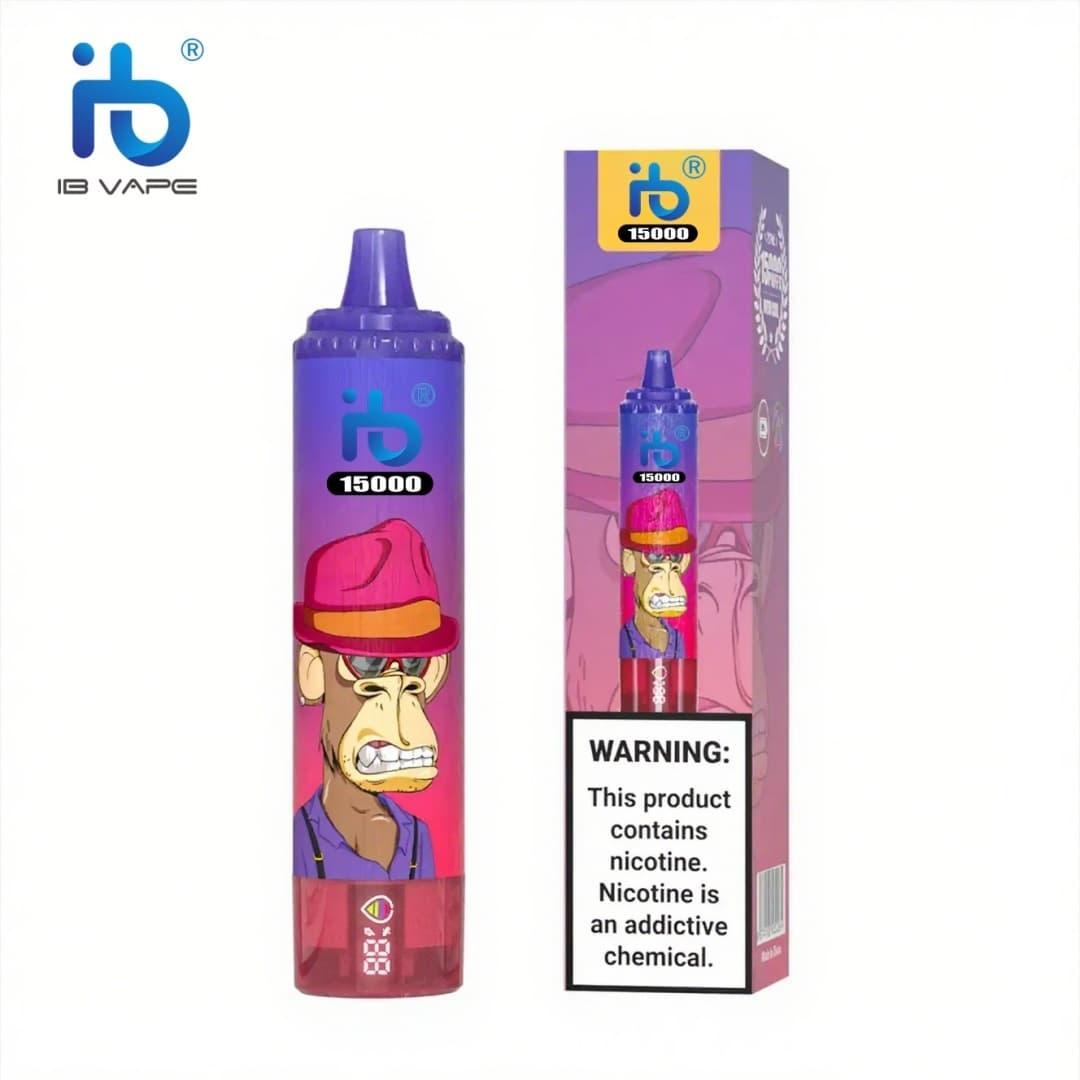
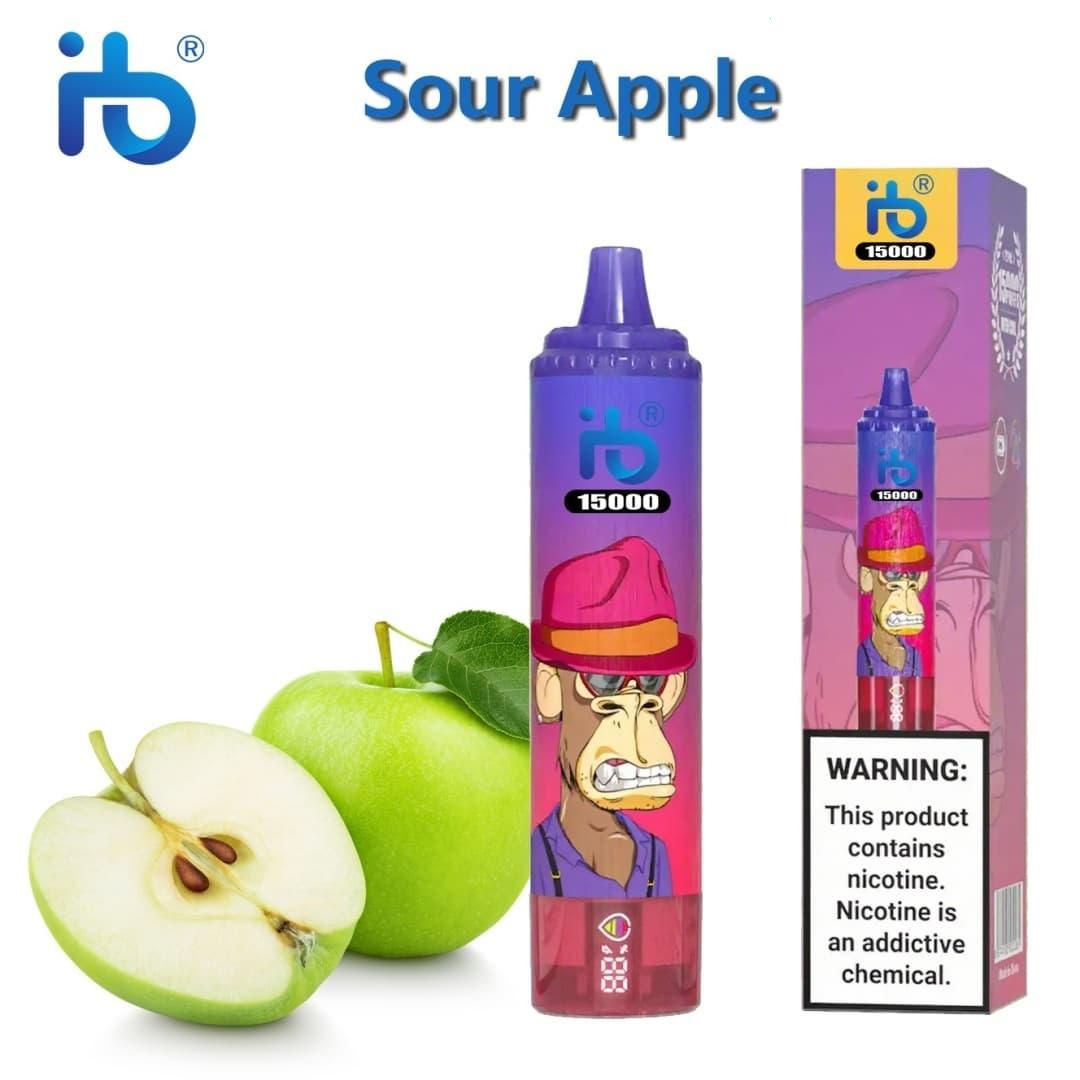
Disposable devices contain batteries and plastics that pose waste-management challenges. Responsible consumers should follow local guidelines for recycling batteries and electronic waste. Choosing rechargeable or refillable systems can reduce environmental impact.
Ongoing research priorities
Key research priorities include long-term respiratory and cardiovascular outcomes, effects of chronic low-level exposure to flavouring chemicals, youth initiation pathways, optimal cessation protocols involving e-cigarettes, and improved product testing standards. Independent, high-quality trials and surveillance are essential to resolve remaining uncertainties.
Conversation starters for clinicians and patients
Clinicians are encouraged to ask open-ended questions about tobacco use and vaping: “Have you tried to quit smoking before? What methods have you used?” For patients considering e papierosy, clinicians should weigh the individual’s smoking history, comorbidities and readiness to quit, and discuss both potential benefits and known risks.
Summary: balanced, evidence-aware guidance
When people ask “are e cigarettes safe to use?”, a balanced response acknowledges reduced exposure to some harmful combustion products in many vaping products compared with conventional cigarettes while emphasising that vaping is not risk-free. For adult smokers who cannot quit with approved therapies, careful use of regulated nicotine-containing e papierosy under clinical or behavioural support may represent a harm-reduction option. For young people, pregnant people and never-smokers, the advice from most health experts is clear: do not begin vaping. Safety also depends greatly on product quality, user behaviour and regulatory context. As research continues, policies and clinical guidance should evolve to protect public health while supporting smokers who want to quit.
Resources and further reading
For reliable updates consult national health agencies, peer-reviewed journals, and reputable organisations concerned with tobacco control. Popular topics to search include: ENDS regulation, nicotine replacement therapy vs. e-cigarettes, flavour restrictions, and long-term epidemiological studies.
FAQ
Q: Can e-cigarettes help me quit smoking?
A: Some people have used regulated nicotine-containing e-cigarettes as part of a quit attempt successfully, especially when combined with behavioural support, but they are not universally effective and are not the first-line therapy in all clinical settings.
Q: Are flavours dangerous?
A: Some flavouring chemicals are safe to eat but untested for inhalation; certain compounds have raised concerns. Choosing products with transparent lab testing reduces risk.
Q: How should I store e-liquids and devices?
A: Keep them locked away from children and pets, store at room temperature away from direct sunlight and dispose of batteries and cartridges at appropriate recycling points.
Final note: whether discussing e papierosy in clinical consultations, public policy or consumer decision-making, centre the conversation on evidence, quality control, and individual health goals rather than slogans or marketing claims. Continued surveillance and independent research will refine our understanding of “are e cigarettes safe to use” over time, but current expert consensus supports cautious, regulated use for adult smokers seeking to quit and firm prevention of initiation among youth and non-smokers.