Comprehensive exploration of modern Vape components and the inner workings of the e cigarette structure
This in-depth resource walks you through how each component of a vaping device contributes to vapor quality, flavor fidelity, throat hit and cloud production. Whether you are new to vapor devices or a seasoned builder, understanding the anatomy of a device and how parts interact is essential for optimizing performance. The following guide breaks down the hardware, discusses liquid properties, explains user-adjustable settings, and provides actionable maintenance and safety tips to enhance your experience.
Basic anatomy: what makes up a modern vaping device?
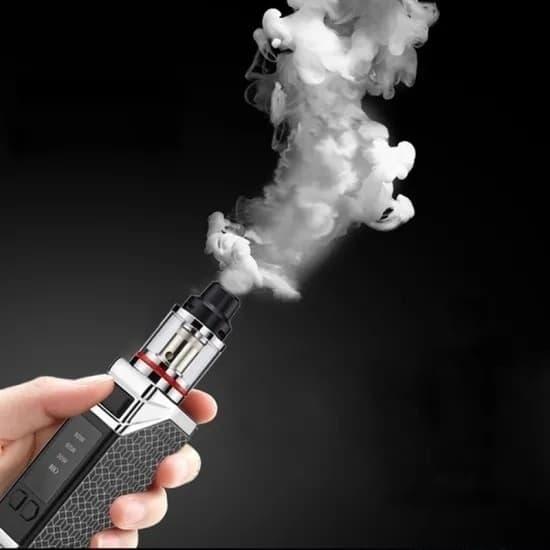
The typical modular device contains several core elements: battery (power source), mod (control electronics), atomizer or tank (liquid reservoir and heating assembly), coil and wick (heating element and liquid delivery), mouthpiece (drip tip), and airflow controls. Examining the e cigarette structure from the battery to the drip tip helps explain why a change in any single part may lead to noticeable differences in vapor quality.
Battery & power delivery
Battery type and condition are primary factors that determine maximum power delivery, device behavior under load, and overall reliability. Most devices use lithium-ion cells (18650, 20700, 21700 or built-in packs). Key aspects include nominal voltage (3.6–3.7V), continuous discharge rating (CDR) measured in amps (important for sub-ohm setups), and internal resistance. Voltage sag under load, caused by high current draw and cell internal resistance, reduces effective wattage at the coil, which directly affects vapor density and temperature. Devices with regulated circuits can balance output and protect the battery, while mechanical mods deliver raw battery voltage, making understanding ohms law crucial.
Mod electronics: wattage, temperature control and safety
Regulated mods provide precise wattage control, variable voltage modes, and temperature control (TC) for certain coil materials. Wattage dictates how much power is converted to heat at the coil, while TC limits temperature to prevent dry hits and burnt wicks by monitoring resistance changes. Advanced regulation algorithms and quality MOSFETs or chips improve efficiency and consistent output, which help deliver stable flavor and cloud production. Safety features such as short-circuit protection, over-discharge protection, and cell balancing are critical.
Atomizer & tank design — the heart of the e cigarette structure
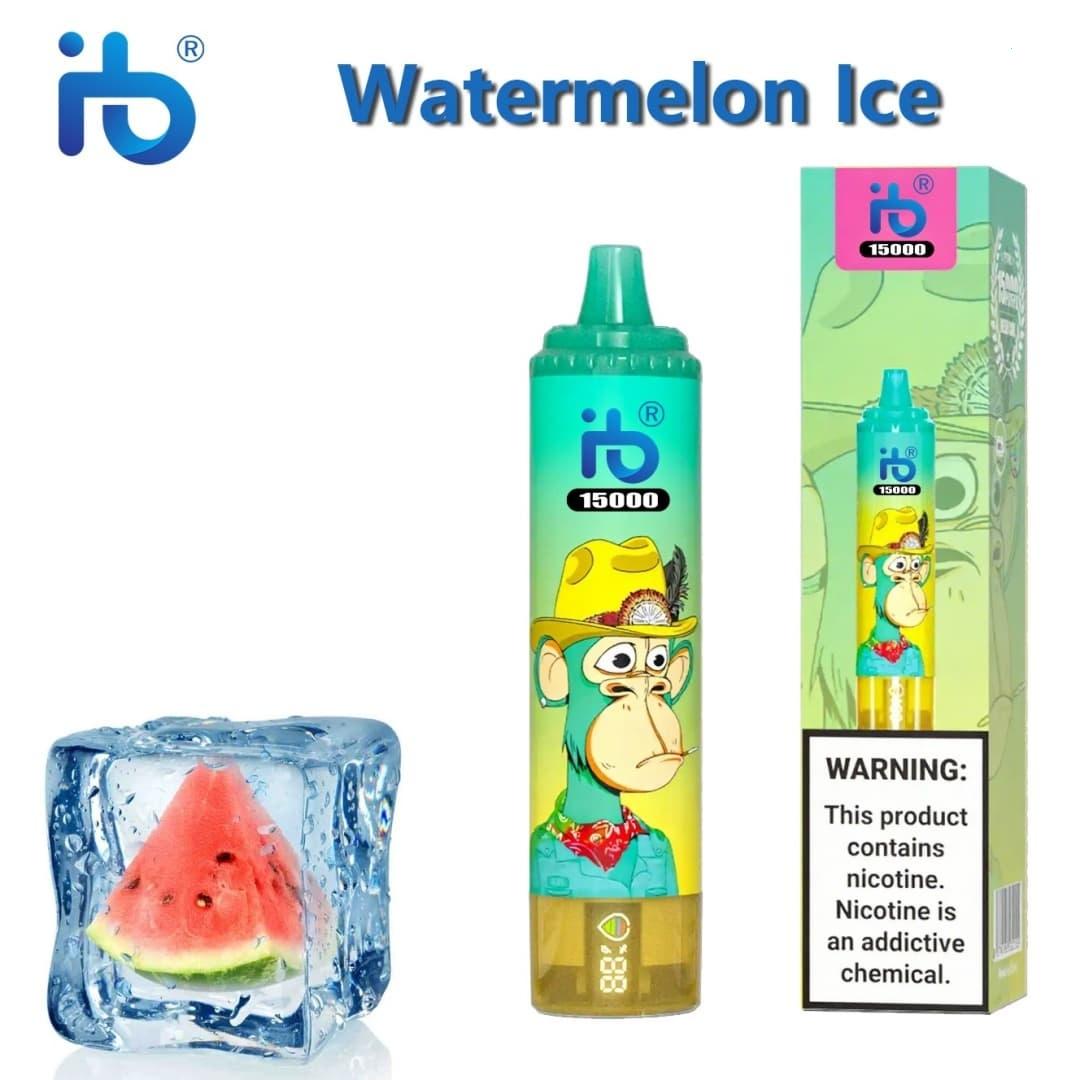
Atomizers come in many forms: clearomizers, sub-ohm tanks, rebuildable dripping atomizers (RDA), rebuildable dripping tank atomizers (RDTA), and rebuildable tank atomizers (RTA). Each architecture influences vapor generation differently. Tanks integrate reservoirs and coil housings to provide continuous e-liquid supply; rebuildables allow customization of coil type, coil positioning and wicking strategy, enabling nuanced control for flavor vs cloud optimization.
Coil types and materials
Coils are the heating elements that vaporize e-liquid. Material choice greatly affects ramp-up time, flavor, compatibility with temperature control, and longevity. Common materials include Kanthal (FeCrAl), Nichrome (NiCr), Stainless Steel (SS), Nickel (Ni200), and Titanium. Mesh coils, increasingly popular, offer larger surface area, more even heating and often better flavor and longevity than traditional round-wound wire. Coil resistance (ohms) combined with applied wattage determines heat flux; sub-ohm coils (<1.0Ω) are favored for dense clouds, while higher resistance coils tend to suit mouth-to-lung (MTL) devices.
Wicking and liquid delivery
The wick (usually organic cotton, ceramic or silica historically) transfers e-liquid to the heated coil. Wicking quality, fiber density and positioning influence how quickly liquid reaches the hot surface and how efficiently it vaporizes. Poor wicking causes dry hits and burnt taste; over-saturated wicking can lead to spit-back or gurgling. Coil orientation (horizontal vs vertical) and wick channel design in a tank also influence saturation and prime time.
Airflow dynamics and chamber geometry
Airflow control is a potent lever for tuning vapor character. Tight airflow restricts the amount of air mixing with vapor, intensifying throat hit and flavor concentration, favored by MTL vapers. Open airflow increases dilution, lowers perceived temperature, and boosts cloud production for direct-to-lung (DTL) or sub-ohm vaping. Chamber volume, coil-to-mouthpiece distance, and airpath shape influence turbulence and vapor condensation. Manufacturers optimize internal geometry to balance flavor and cloud depending on the target audience.
Liquid composition and viscosity: how e-liquid affects vapor quality
E-liquid base composition—vegetable glycerin (VG) and propylene glycol (PG) ratio—directly impacts viscosity, vapor density, throat hit and flavor intensity. Higher VG produces thicker vapor and larger clouds but can be more viscous, requiring wider wicking channels and stronger wicking materials. PG carries flavor better and creates a more pronounced throat hit but produces thinner vapor. Nicotine formulation (freebase vs nicotine salts) changes the smoothness of high-nicotine liquids and influences coil choice and power settings. Additives, sweeteners and flavor concentrates alter coil gunking rate, volatility and perceived flavor sharpness.
Temperature, wattage and their roles
Power (wattage) and coil temperature set the vaporization regime. Low wattage yields cooler vapor and preserves subtle flavor compounds, while high wattage can unlock volatile flavors and denature sweeteners faster, leading to faster coil degradation. Temperature control mode can help limit overheating by capping coil temperature and preventing excessive thermal decomposition of e-liquid components. Finding the optimal balance involves testing different wattages with the same coil and noting flavor clarity, throat hit and residue build-up.
Tuning for best flavor versus cloud production
Want more flavor? Choose a compact chamber, smaller coil mass, higher-PG e-liquids, restricted airflow and lower wattages with quick but even heating elements like mesh. Want big clouds? Use larger coils or mesh with higher wattage, higher-VG e-liquids, and open airflow. Many experienced users create multiple setups: a flavor-focused RBA for tasting and a sub-ohm tank for cloud sessions. Remember that each change (coil material, coil surface area, airflow, e-liquid) interacts with the others; iterative tuning pays off.
Build quality, tolerances and sealing
Manufacturing tolerances, O-ring quality and thread precision all affect performance. A poorly sealed tank leads to leaks and inconsistent wicking pressure, affecting vapor output. Quality machining reduces unwanted vibration and maintains airflow consistency across uses. Thread wear or poor contact points on the 510 connection can create intermittent heating and voltage drops that reduce performance and pose safety hazards.
Maintenance, cleaning and coil longevity
Regular maintenance extends device life and preserves vapor quality. Basic tasks: periodic cleaning of tanks and mouthpieces, changing coils before severe gunking, and drying or replacing wicks as needed. Flushing tanks with warm water, soaking in isopropyl alcohol for resilient residue (then thorough drying), and lightly brushing coil threads improve hygiene and contact. Rebuildable users can dry-burn coils to remove debris (carefully, and only for non-cotton residues) and rewick to tune flavor. Coil life depends on e-liquid composition, wattage, and build quality—sweetened e-liquids and high wattage shorten lifespan.
Diagnostics: how to identify issues with vapor quality
- Muted flavor: check coil age, residue on coil, PG/VG ratio, and airflow path for obstruction.
- Burnt or acrid taste: under-wicking, excessive wattage, coil degradation or dry hits are common causes.
- Harsh throat hit
 : high nicotine concentration, low PG/VG ratio mismatch, or overly hot vapor due to high wattage.
 - Leaking or spitting: poor sealing, over-primed coil, or incompatible e-liquid viscosity for the coil/tank.
 Vape components affect vapor quality” />
Advanced topics: building coils, temperature control, and mesh innovations
Coil builders optimize variables such as wire diameter, number of wraps, inner diameter, and use exotic alloys to target precise resistances and ramp-up characteristics. Mesh coils replaced many traditional builds due to consistent contact with the wick and greater surface area, improving flavor and heating uniformity. Temperature control works best with materials that display predictable resistance changes; SS, Ni200 and Ti are commonly used. Accurate resistance measurement, reliable mod firmware, and consistent build technique are essential for safe TC usage.
Safety considerations and battery handling
Respect battery ratings: never exceed a cell’s continuous discharge rating and use protected cells in regulated devices if unsure. Check for physical damage, avoid exposing batteries to extreme temperatures, and use proper chargers. Learn the basics of ohm’s law if using removable cells in low-resistance builds. Short circuits and overcurrent situations can be dangerous. Also regularly inspect device insulation, replace worn O-rings, and avoid DIY modifications that compromise safety systems.
Purchasing guidance: how to choose parts that match your goals
- Identify your primary goal: flavor, cloud production, portability, or nicotine delivery.
- Match coil resistance and mod capability: ensure the device can safely supply the desired wattage for your coil.
- Consider e-liquid viscosity vs coil and wick design: high-VG blends suit wide-bore tanks and sub-ohm coils.
- Prioritize reputable manufacturers for safety features and consistent machining tolerances.
Environmental and regulatory context
Regulations and product standards vary by region and affect available device types, packaging, and nicotine limits. Responsible disposal of batteries and used coils is important to mitigate environmental harm. Refillable systems generate less waste compared to single-use devices but require more user care.
Practical checklist to improve vapor quality right now
- Prime new coils thoroughly and allow tanks a few minutes for saturation.
- Start at lower wattage and increase gradually to find optimal flavor and avoid burning.
- Match e-liquid VG/PG ratio to coil/tank design.
- Clean tanks and contacts regularly to prevent conductivity loss and flavor contamination.
- Replace coils when flavor fades or burnt notes appear.
Key takeaways: how structure shapes experience
Understanding the interaction between the power source, coil material and geometry, wick, airflow and e-liquid lets you tailor a device to deliver the precise combination of flavor intensity, throat sensation, and vapor cloud you want. The e cigarette structure is not merely a list of parts; it is an integrated system where material choices, thermal dynamics and fluid delivery all converge to form the end-user experience.
Frequently Asked Questions
- How does coil material affect flavor and safety?
- Coil material influences heating behavior, ramp-up and whether you can use temperature control. Stainless steel is versatile for wattage and TC, while Kanthal is stable for wattage mode. Nickel and titanium offer TC compatibility but require careful handling due to alloy-specific considerations.
- Why does my device taste burnt even with new coil?
- Possible causes include insufficient priming, starting at too high wattage, poor wicking due to fiber orientation, or a manufacturing defect. Try lower wattage initially, ensure cotton is saturated and check for hotspots on the coil.
- Can switching e-liquid improve vapor quality without hardware changes?
- Yes. Adjusting PG/VG ratio or choosing formulations with fewer sweeteners can dramatically affect flavor clarity and coil longevity. Lower VG e-liquids wick faster and can improve flavor in tighter-draw setups.