Battery Safety and Smart Charging for Modern Vaping Devices
Why battery care matters for any vape user
Whether you are a seasoned cloud-chaser or a casual nicotine replacement user, understanding how to safely handle and charge your device’s power source is essential. A well-maintained power cell delivers consistent performance, reduces risk of malfunction, and prolongs the usable life of your kit. In this comprehensive guide we focus on practical, evidence-based steps to improve battery safety and explain in simple terms how to charge electronic cigarette models correctly, safely, and in a way that extends lifespan.
Core concepts: battery types and why they behave differently
Most contemporary mods and some advanced pod systems use removable rechargeable lithium-ion cells (often labeled 18650, 20700, or 21700). Many smaller closed-system devices and disposable-style products use built-in lithium-polymer (LiPo) packs. Each chemistry and construction has different charging and handling requirements. Knowing the type of cell in your device helps you follow the right charging habits.
Quick chemistry primer
- Lithium-ion (Li-ion) — common in independent high-power devices; robust energy density.
- Lithium-polymer (LiPo) — often used in built-in batteries and slim devices; similar chemistry but different packaging.
- Nickel-based or older chemistries — rare in modern vaping equipment and usually not recommended.
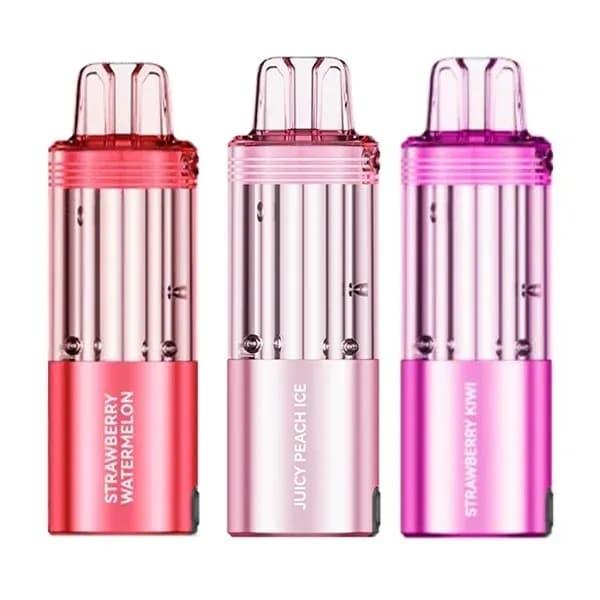
Throughout this article, we will use the term vape to cover e-cigarettes, mods, pod systems, and similar consumer devices. We will also repeatedly cover practical steps for how to charge electronic cigarette batteries so that you can adopt safe charging practices across device types.
Charging basics: safe habits that everyone should follow
Charging seems trivial, but simple mistakes can cause poor battery health or hazardous events. Follow these ground rules:
- Always use the charger and cable recommended by the manufacturer. If the device has an integrated charging circuit, use the specified USB or adapter.
- For removable cells, use a quality external charger designed for lithium cells; avoid generic or unknown-brand chargers.
- Charge on a hard, non-flammable surface away from bedding, sofas, or clutter. Avoid charging on top of combustible materials.
- Do not leave devices charging unattended for long periods. Overnight charging may be acceptable with high-quality regulated devices and chargers, but caution is advised.
- Keep batteries and chargers away from children and pets.

How to charge electronic cigarette safely — step-by-step
Below is a practical process you can follow each time you recharge any device:
- Inspect the battery and device for damage. If you see dents, swelling, corrosion, or burn marks, stop immediately and replace the battery or device.
- Confirm the correct charger for your device. If your manual specifies a charging current or maximum voltage, adhere to it.
- If using a removable cell, insert it into a reputable external charger with individual bays. Many modern chargers offer balance, overcharge protection, and full-cycle detection.
- Plug into a trusted power source — ideally a wall socket rather than an unregulated power bank or low-quality USB hub.
- Monitor during the first few charging cycles when using a new device or battery to ensure normal temperatures. Some warmth is normal; excessive heat is not.
- Disconnect promptly when full charge is achieved. Avoid prolonged topping at 100% whenever possible to extend battery longevity.
Common myths and misconceptions
There are many myths surrounding vape battery charging. Here are clarifications to help you avoid misinformation:
- Myth: You must fully discharge a lithium cell before recharging. Fact: Lithium cells do not need full discharge cycles and partial charges are perfectly fine; in fact, shallow discharge cycles often increase lifespan.
- Myth: Using a higher-amp charger will damage a battery. Fact: The device or battery will draw the current it needs; using a charger with adequate voltage and safety features is more important. However, matching recommended current limits is wise.
- Myth: All USB ports are equally safe for charging. Fact: Voltage stability and safety features vary; prefer wall adapters with known quality or official chargers provided by the brand.
Practical tips to extend vape battery life
Treating cells with care is the best way to preserve capacity and cycle life. Implement these routines to keep your battery healthier for longer:
- Keep charge level between roughly 20% and 80% for daily use. Staying in this mid-range reduces stress on lithium chemistry.
- Avoid deep discharges below 10% whenever possible; many devices implement low-voltage cutoff but don’t rely solely on it.
- Do not expose batteries to high temperatures or direct sunlight. Heat accelerates degradation; store in a cool, dry place.
- Use the correct replacement parts. If your manufacturer recommends a specific cell or integrated pack, replace with approved parts rather than unknown clones.
- Store spare removable cells partially charged (around 40–60%) if you won’t use them for weeks or months.
- If a battery begins to show reduced runtime or signs of swelling, recycle it safely and replace it promptly.
Recognizing dangerous signs and how to react
Learning to identify trouble early is crucial. Stop using or charging if you notice any of the following:
- Physical deformation, bulging, or swelling of the battery or device casing.
- Unusual heat: a battery or device becomes much hotter than during normal operation.
- Strange odors, hissing, or leakage of liquids from the battery compartment.
- Intermittent functionality, sparks, or burning marks around contacts.
If any of these occur during charging, unplug power immediately (if safe to do so), move the item to a non-flammable surface outdoors if possible, and follow local guidelines for disposal. Do not puncture or attempt to open a swollen cell.
Device-specific considerations
Different product styles require slightly different approaches:
- Small closed pod devices: Use the supplied cable and an appropriate USB adapter. Avoid fast-charging adapters that may exceed the device’s design.
- Box mods with removable cells: Invest in a high-quality external charger, check cell wrap integrity, and use battery cases for transport to prevent accidental shorts.
- Disposable e-cigarettes: Treat these as single-use items. Do not attempt to recharge unless the product explicitly supports it and follows manufacturer instructions.
Transport and storage rules
When transporting spare batteries, especially removable ones, always use protective cases that cover terminals. Loose batteries in pockets or bags can short when they contact metal objects and create a dangerous situation.
Maintenance checklist for ongoing battery health
Use this quick routine monthly to keep batteries in top shape:
- Inspect wraps and contacts for wear and cleanliness. Clean contacts gently with a cotton swab and isopropyl alcohol if needed.
- Test a full charge and note runtime. Substantially reduced runtime might signal a degraded cell.
- Cycle older batteries occasionally by charging them to a moderate level and discharging under normal use, but avoid repeated deep discharge cycles.
- Replace batteries after 300–500 charge cycles or earlier if performance drops significantly.
Choosing accessories: chargers, cables, and adapters
Choosing high-quality accessories is a small investment that pays off in safety and longevity. Look for:
- Chargers from reputable manufacturers with built-in safety features (overcharge, reverse polarity, short circuit protection).
- Cables that are thickly insulated and match the voltage/current needs specified by your device.
- Avoid cheap multiport wall chargers with unknown certification; choose devices with recognized safety marks.
Regulatory and environmental considerations
Always follow local laws and manufacturer disposal instructions. Batteries contain materials that require proper recycling and should not be placed in regular waste bins. Many retailers and local municipal programs accept used rechargeable batteries for safe disposal.
Advanced tips for experienced users
If you use high-powered setups, single-battery mechanical mods, or rebuildable atomizers, pay special attention to:
- Understanding Ohm’s law and battery discharge rates (amperage limits). Never exceed a cell’s continuous discharge rating.
- Cell matching: when using multiple batteries in series or parallel, ensure they are identical in model, age, and charge state.
- Temperature management: in direct-to-lung high-power vaping, the battery will deliver greater currents and produce more heat. Select cells with appropriate high-drain ratings and ensure proper airflow to the mod.
Summary: practical daily habits for safer charging
Adopt these simple daily habits to stay safe and prolong the life of your battery: inspect before charging, use recommended chargers, avoid extreme temperatures, store spare cells properly, and replace suspect batteries promptly. If you’re ever unsure about how to charge electronic cigarette models or which battery to use, consult the product manual or contact the manufacturer for definitive guidance.
Additional resources and learning
Look for manufacturer guidelines, recognized battery safety organizations, and instructional videos from reputable sources to deepen your understanding. Knowledge is the best prevention.
FAQ
A: It depends on the device and charger quality. Many modern regulated devices and certified chargers include protections that make overnight charging safer, but it’s still best practice to avoid leaving devices unattended for long periods and to use manufacturer-approved charging equipment.
A: Typical lithium cells start to noticeably lose capacity after 300–500 full cycles, but if you observe swelling, heat, or rapid capacity loss, replace them immediately regardless of cycle count.
A: Store spare lithium batteries at around 40–60% charge in a cool, dry place to slow degradation. Avoid storing at 100% or fully depleted for long periods.
A: Only if they are certified, have appropriate voltage/current ratings for your device, and come from reputable manufacturers. Using an adapter that supplies higher current than a device is designed for can cause stress and reduce battery life.
By keeping these principles in mind and integrating simple routines, you can significantly reduce risk and get the most life out of your vape batteries while charging devices correctly. Educated, cautious, and consistent practices around how to charge electronic cigarette products will keep you safer and allow you to enjoy a steady, reliable experience from your vaping equipment.