Jednorázová E-cigareta basics: an easy guide to what’s inside and how to stay safe
This comprehensive, plain-language article explains the core ingredients of vaping products and offers practical safety tips for users, parents, and curious readers. If you have ever wondered what is in a e-cigarette or how a disposable device works, you’ll find clear, jargon-free explanations here. The content focuses on common disposables, reusable pods, and refillable kits while emphasizing realistic safety measures and reputable purchasing habits.
Quick overview: disposable vs refillable devices
There are two main device types people encounter: single-use, throwaway units often called disposables (in some languages referred to as a term similar to Jednorázová E-cigareta) and rechargeable systems with replaceable pods or tanks. Disposables come pre-filled and are used until the battery or fluid runs out; reusable kits allow you to add e-liquid and change coils. Each type shares similar liquid ingredients but varies in battery capacity, waste profile, flavor lifetime, and cost per puff.
Core components you will find in most e-cigarette products
- Battery and heating element: A small rechargeable or non-rechargeable lithium-ion cell provides power, and a metal coil or ceramic element heats the liquid into aerosol. Metal parts can sometimes release trace metals if coils are damaged or over-heated.
- E-liquid (vape juice): The liquid is the primary content and usually contains a carrier base, optional nicotine, flavorings, and small amounts of additives. Understanding each part helps answer what is in a e-cigarette in a precise way.
- Mouthpiece and airflow parts: Plastic, silicone, or metal components shape the user experience and influence how warm or cool the vapor feels.
- Cartridge or tank: Holds the e-liquid and may include wicking material such as cotton that feeds liquid to the coil.
Breaking down the e-liquid: the most important ‘what is in a e-cigarette’ details
E-liquid is a simple mix with a few repeatable parts; however, brand recipes, flavor chemicals, and nicotine levels can vary widely. Below are the main categories:
- Carrier liquids: Propylene Glycol (PG) and Vegetable Glycerin (VG) are the two dominant base liquids. PG carries flavor well and gives a stronger throat hit, while VG produces thicker, sweeter vapor clouds. Many products use a PG/VG ratio to balance throat sensation and cloud density.
- Nicotine: Present in many e-liquids, nicotine strength is measured in mg/mL or as a percentage. Nicotine salts are a formulation that provides smoother inhalation at higher strengths; freebase nicotine is more common in lower-strength products. Not all e-liquids contain nicotine — nicotine-free options exist.
- Flavorings: Food-grade aroma compounds are used to create a wide range of tastes. Although they are approved for ingestion in many cases, inhalation effects can differ; certain flavor chemicals have raised concerns in lab studies. Be cautious with unregulated or homemade mixes.
- Water and additives: Small amounts of distilled water or minor additives such as sweeteners, cooling agents (like menthol or WS-23), and pH adjusters can be found. These additives change throat feel and flavor profile.
Trace chemicals and contaminants

Even though e-liquids are manufactured to be safe for their intended use, aerosols can contain trace levels of aldehydes (formed at high temperatures), metals leached from coils, and tiny particles. Product age, wattage, coil condition, and device maintenance significantly influence these levels. That’s why understanding what is in a e-cigarette is only the first step; device care and usage patterns change the final aerosol composition.
Specific notes on single-use/throwaway models
Disposable units labeled as a local-language equivalent to Jednorázová E-cigareta typically combine a small battery with a pre-filled cartridge. Advantages include convenience and minimal maintenance; disadvantages include waste generation and limited quality control across brands. Some disposables employ nicotine salts and deliver high nicotine concentrations, which can lead to faster dependence, especially among young or novice users.
Health and safety basics: practical guidance
Whether you’re comparing a disposable to a refillable device or simply curious about contents, following basic safety tips reduces risks. These are straightforward actions anyone can take:
- Store e-liquids and devices away from children and pets. Nicotine can be toxic if ingested or absorbed through the skin in concentrated form.
- Charge batteries with the correct charger. Using incompatible chargers or leaving a device charging unsupervised raises fire risk.
- Buy from reputable manufacturers and retailers. Look for clear ingredient labels, batch numbers, and third-party lab testing when possible.
- Don’t modify or tamper with disposables. Opening the casing, altering the battery, or refilling unofficially can cause leaks, short circuits, or device failure.
- Maintain coils and replace parts on refillable kits. Burnt coils increase harmful byproducts and taste unpleasant.
- Avoid using high wattage on low-resistance coils unless the e-liquid and device are designed for it. Overheating produces more aldehydes and can degrade flavors and wicking materials.
Special populations and harm reduction
People who are pregnant, breastfeeding, under 21 (or the legal age in your region), or who have certain medical conditions should avoid nicotine-containing products. For adult smokers, some public-health experts view vaping as a harm-reduction alternative to combustible cigarettes; however, quitting all tobacco and nicotine products is the healthiest option. If you intend to switch from smoking to vaping, consult healthcare professionals for tailored guidance.
How to evaluate product labels and claims
Shopping wisely helps answer “what is in a e-cigarette” by guiding you to clearer information: choose products that list PG/VG ratio, nicotine content in mg/mL, and identify flavor components or safety certificates. Labels should warn about nicotine and include child-resistant packaging notices. Avoid products that lack transparent ingredient listings or offer improbable claims like “completely harmless.”
Environmental and disposal considerations
Disposables have a larger waste footprint because the battery, plastic housing, and residual e-liquid are discarded together. Dispose of batteries according to local hazardous-waste rules; many communities have battery recycling points. Empty pods and used coils should be handled per local regulations — if unsure, treat them as electronic waste or household hazardous waste.
Preventing accidental poisoning
Nicotine poisoning is rare but serious. Keep e-liquids out of reach, wipe up spills immediately, wash skin if contact occurs, and call a poison control center if ingestion or severe exposure is suspected. Many regions have free hotlines that provide fast, expert advice.

Common myths and facts
- Myth: Vaping is risk-free. Fact: Vaping can reduce exposure to combustion products but is not free of risk and can deliver addictive nicotine.
- Myth: All flavorings are safe to inhale. Fact: Some food-grade flavorings are harmful when heated and inhaled; research is ongoing.
- Myth: Disposable means lower quality. Fact: Quality varies across brands; choose disposables from manufacturers that publish testing data.
Practical checklist before trying a device
If you or someone you know plans to use an e-cigarette, run through this quick checklist: is the seller reputable? Is the nicotine strength known and appropriate? Is packaging intact and labeled? Is there a seal and batch information? Do you have a suitable charger? Are there clear instructions for safe use and disposal? Answering yes to these questions reduces avoidable risks.
How to read nicotine labels and choose a strength
Nicotine is commonly shown as mg/mL (for example, 20 mg/mL) or as a percentage (2% equals 20 mg/mL). Users switching from cigarettes may choose higher strengths initially, but higher nicotine increases dependence potential. Nicotine salts in disposables can deliver nicotine more smoothly, so strength choices should reflect experience and the desired effect.
When to seek medical help
If you experience dizziness, severe nausea, rapid heartbeat, chest pain, or breathing difficulty after using an e-cigarette, discontinue use and seek medical attention. For possible nicotine poisoning — vomiting, confusion, or seizures — call emergency services immediately.
Key takeaways
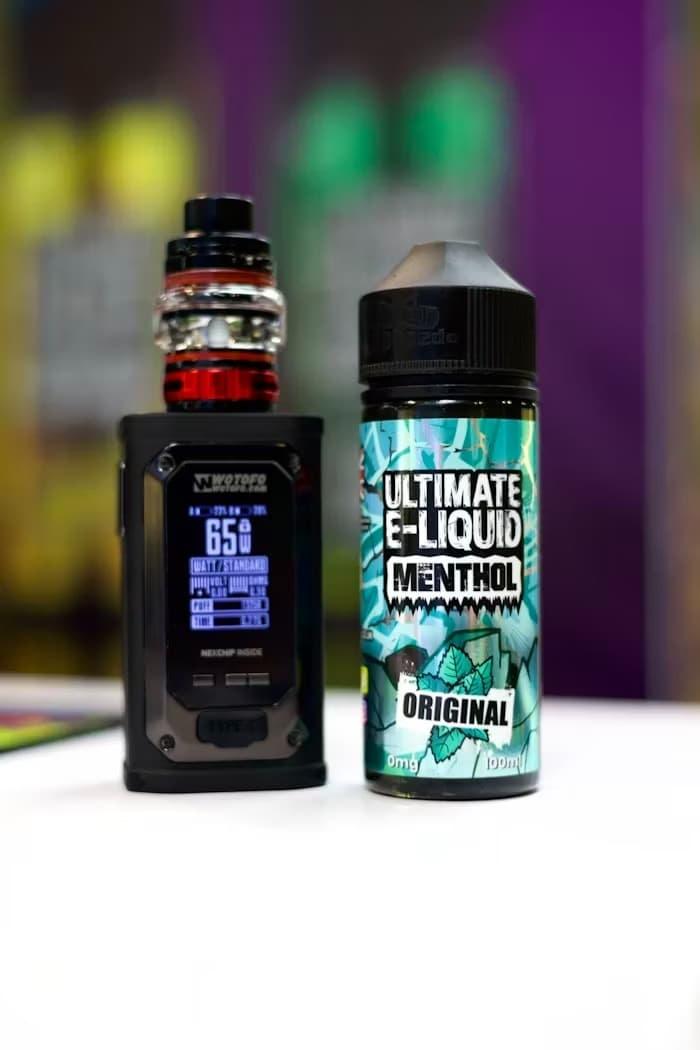
In plain terms: knowing what is in a e-cigarette helps you make safer choices. Most e-liquids are simple blends of PG, VG, nicotine (optional), and flavorings. Disposables, or local-language equivalents like the term for single-use devices, offer convenience but come with environmental and quality-control trade-offs. Practice basic safety: store responsibly, maintain devices, buy from trustworthy sources, and avoid modifications. If you are looking to quit nicotine entirely, consult a healthcare provider for proven cessation support.
Short summary: be curious, be cautious, and focus on reliable information when evaluating vape products. Understanding ingredients and device mechanics empowers better decisions and reduces preventable harm.
Further reading and resources
For science-based updates, consult public health organizations and peer-reviewed journals rather than anonymous online forums. Manufacturers with independent lab reports and clear labeling are preferable. If you are a parent, caregiver, or employer, create policies that reduce youth access and accidental exposures.
Glossary
- PG (Propylene Glycol): thin carrier liquid, good for flavor delivery.
- VG (Vegetable Glycerin): thicker liquid, produces larger vapor.
- Nicotine salt: a form that allows smoother inhalation at higher concentrations.
- Coil: the heating element that vaporizes liquid.
FAQ
 Jednorázová E-cigareta and what is in a e-cigarette explained in plain language with safety tips” />
Q: Is a disposable device safer than a refillable one?
Answer: Neither is inherently safer; safety depends on build quality, battery, and e-liquid composition. Disposables are convenient but may contain higher nicotine levels or lack transparent lab data. Refillable devices require maintenance and proper parts but offer more control.
Q: Can e-liquids explode or catch fire?
Answer: While rare, battery malfunctions can cause fires. Use the correct charger, avoid extreme temperatures, and replace damaged batteries or devices.
Q: Are flavorings regulated?
Answer: Regulation varies by country. Many flavoring chemicals are approved for food use but not explicitly for inhalation; ongoing research is clarifying long-term inhalation risks.
Q: How should I dispose of a used disposable?
Answer: Remove and recycle the battery if local rules allow, and dispose of the plastic components per electronic-waste guidelines. If unsure, treat the unit as electronic waste or check municipal disposal programs.
By learning the facts about ingredients and practical safety steps, you can better assess products marketed under names like the local term for single-use vape devices and answer your own question of what is in a e-cigarette with confidence and clarity.