E-Shisha: a practical respiratory health primer
This comprehensive guide explores the pulmonary effects of modern heated tobacco and vapor devices, the question many users silently ask—what does e cigarettes do to your lungs—and offers pragmatic tips for safer inhalation practices. The term E-Shisha will be used throughout to refer to flavored vapor products, disposable pod systems and larger refillable kits so readers can quickly find relevant guidance.
Quick overview: what are E-Shisha devices and why people use them
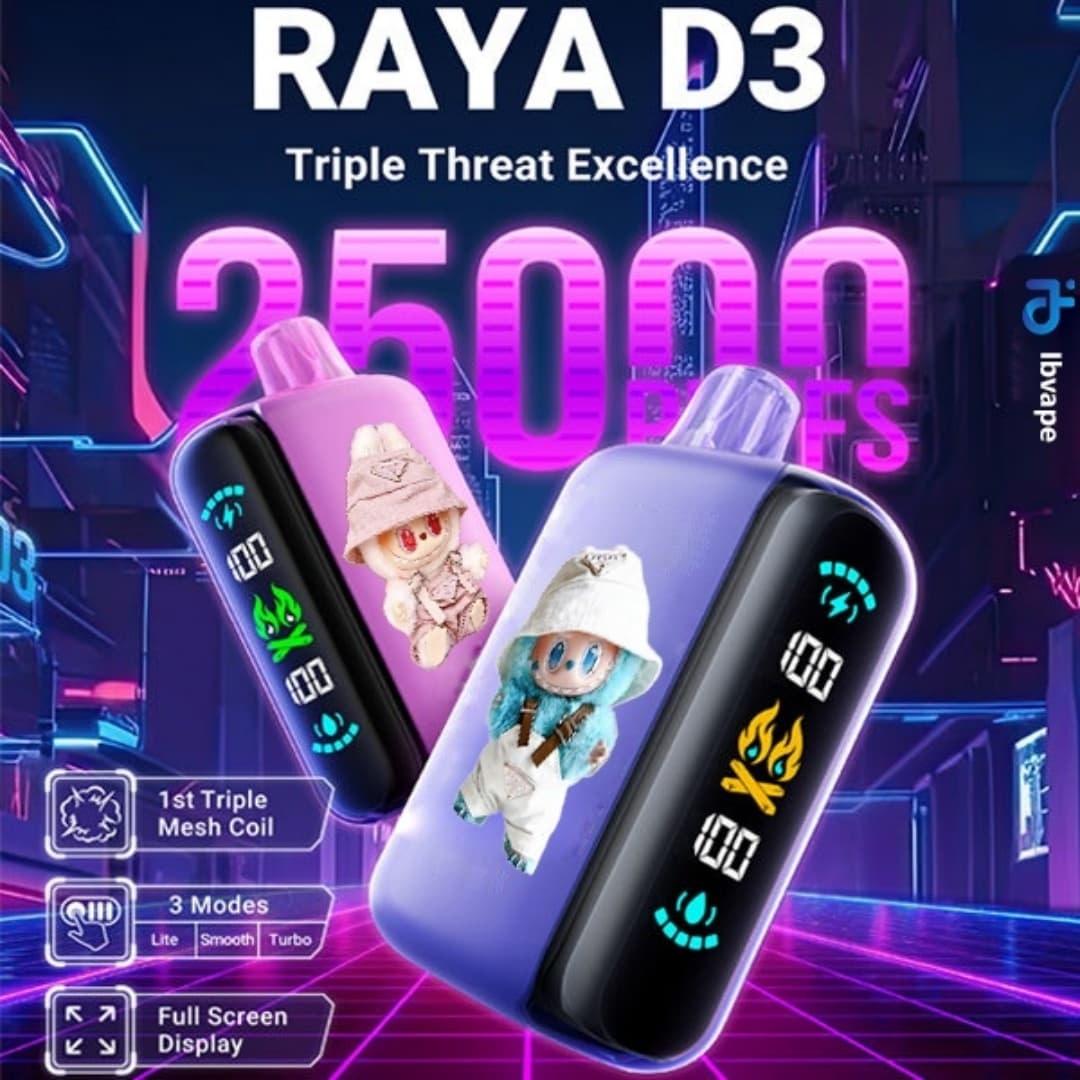
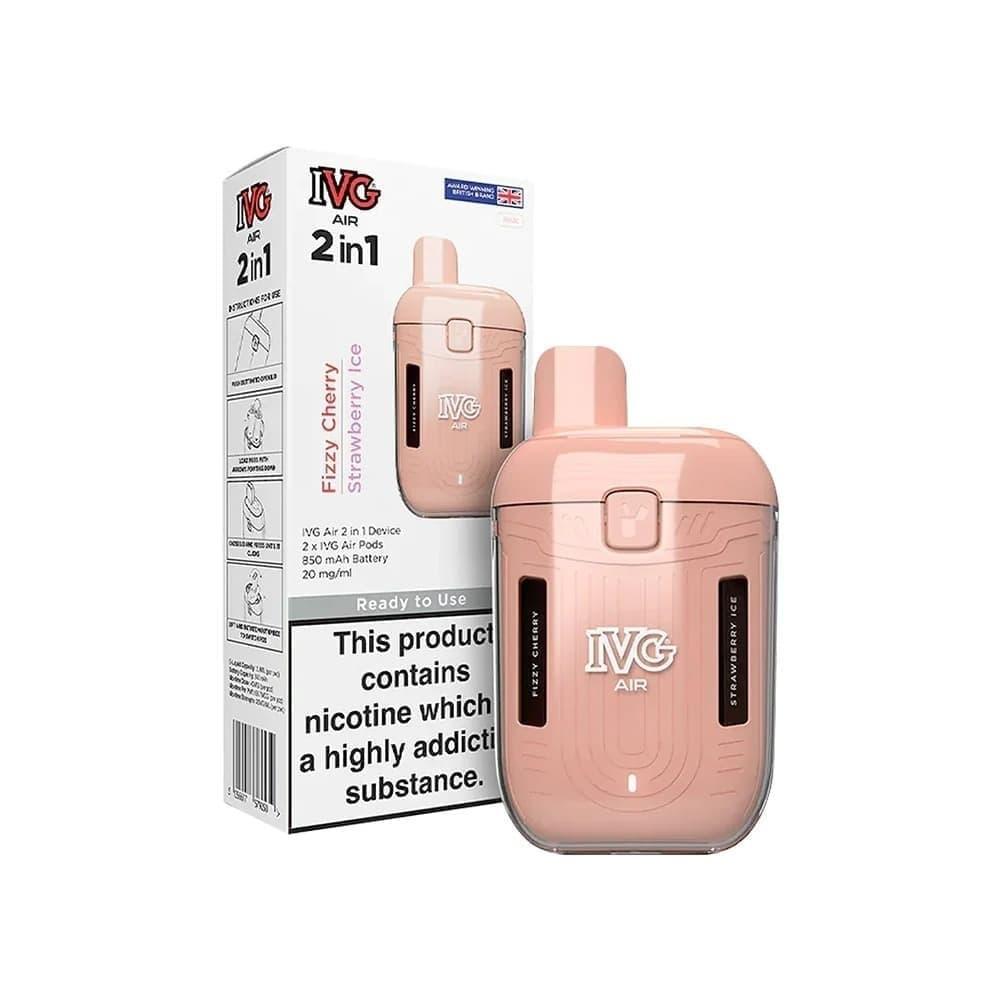
Vaporizers, vape pens, pods and E-Shisha rigs heat a liquid (e-liquid or vape juice) to create an aerosol that users inhale. E-liquids typically contain a base (propylene glycol and/or vegetable glycerin), nicotine in varying strengths or nicotine-free formulas, flavorings and other minor additives. Understanding the formulation is the first step to answering the central health query: what does e cigarettes do to your lungs? This article investigates biological mechanisms, immediate and delayed effects, risk factors that worsen harm, and harm-minimization strategies for people who continue to vape.
How inhaled vapor interacts with the lung
When a person inhales vapor from an E-Shisha, tiny droplets and gases travel deep into the respiratory tract. Particle size matters: many e-cigarettes generate ultrafine particles (<100 nm) that penetrate alveoli and bypass upper-airway filtration. The aerosol brings nicotine, flavor chemicals, solvents and thermal decomposition products into close contact with delicate lung tissue. These substances can trigger several biologically relevant pathways:
- Inflammation: Exposure to e-liquid constituents can provoke local inflammation in bronchi and alveoli, marked by increased cytokines and recruitment of immune cells.
- Oxidative stress: Chemical byproducts and free radicals produced during heating increase oxidative stress, which damages cells and impairs repair mechanisms.
- Altered surfactant and epithelial function: Some components can change the composition of surfactant and impair barrier integrity, reducing lung compliance and host defense.
- Immune dysregulation: Chronic inhalation may blunt macrophage function and mucociliary clearance, increasing susceptibility to infection.
- Toxic exposures: Thermal breakdown can produce formaldehyde, acrolein, volatile organic compounds, metal nanoparticles from coils, and reactive carbonyls — all of which are respiratory irritants.
Short-term effects on breathing and lung health
Many users notice immediate respiratory responses after vaping, particularly with high-temperature devices or flavored liquids. Typical acute effects include throat irritation, increased cough, chest tightness, wheeze, shortness of breath and transient reductions in small airway function. A subset of individuals—especially those with preexisting asthma or chronic bronchitis—may experience pronounced exacerbations. Documented acute syndromes linked to vaping include chemical pneumonitis and the more severe e-cigarette, or vaping, product use-associated lung injury (EVALI) presentation that required hospitalization in several outbreaks.
What does e cigarettes do to your lungs in the medium and long term?
Long-term consequences are an area of active research. Current evidence suggests several plausible patterns: continued inflammatory burden can accelerate airway remodeling and fibrotic tendencies, repeated exposure to nicotine can impair lung development in adolescents and young adults, and chronic inhalation of pollutants and ultrafine particulates may increase risk of chronic obstructive patterns over time. While combustible cigarette smoking remains the most clearly established driver of chronic lung disease, E-Shisha vapor is not inert; it has the potential to contribute to chronic airway disease, reduce exercise tolerance, and worsen preexisting conditions.
Key mechanisms summarized
- Direct cellular injury from reactive aldehydes and metals.
- Persistent low-grade inflammation with cytokine imbalance.
- Disrupted epithelial barriers leading to infection susceptibility.
- Nicotine-mediated impairment of repair and developmental pathways in youth.
Specific additives and flavors: are some worse than others?
Flavored e-liquids drive product appeal but introduce chemical complexity. Compounds such as diacetyl (linked to bronchiolitis obliterans, a severe obstructive lung disease), acetyl propionyl and certain cinnamaldehydes have been shown in laboratory studies to cause airway injury. Even flavors considered “safe” for ingestion are not automatically safe when heated and inhaled. Metals released from heating coils—nickel, chromium, lead—can deposit in lung tissue and contribute to toxicity. Therefore, flavorings and impurities matter significantly when answering what does e cigarettes do to your lungs: they can define the pattern and severity of injury.
Comparative risk: vaping vs. combustible cigarettes
Relative risk is complex. Several public health authorities consider nicotine-containing e-cigarettes less harmful than continued combustion smoking for adults who completely switch. However, “less harmful” does not mean safe. Vaping eliminates many products of combustion, but it still exposes the lung to fine particles, irritants and novel chemical agents. For people who are not current smokers—particularly youth, people who have never smoked, pregnant people and those with chronic lung disease—initiating vaping introduces avoidable risk. For established smokers, switching may reduce some harms, but dual use (combining vaping and smoking) often preserves or increases risk.
Who is most vulnerable?
E-Shisha risk is not uniform. Vulnerable groups include:
- Adolescents and young adults: lung development continues into the mid-20s; nicotine and inhaled toxins can have lasting effects.
- People with asthma, COPD or cystic fibrosis: existing airway hyperreactivity increases susceptibility to exacerbations and infections.
- Pregnant or breastfeeding people: nicotine and certain toxins can affect fetal and neonatal outcomes.
- Immunocompromised individuals: impaired host defense increases risk from damaged epithelium and infections.
Signs and symptoms that need urgent attention
Seek medical assessment if you experience persistent or severe breathlessness, chest pain, high fever, coughing up blood, or sudden deterioration in exercise tolerance after vaping. These complaints may indicate infectious complications, chemical pneumonitis or the rare but serious EVALI-type presentation.
Harm-minimization and safer vaping tips for respiratory wellness
If an adult chooses to vape and cannot or will not quit nicotine entirely, the following measures reduce avoidable lung exposures and support respiratory health. These are practical risk-reduction steps rather than endorsements of vaping:
- Prefer regulated products: use products from reputable manufacturers with clear ingredient lists and quality control—avoid illicit or modified cartridges and unverified additives like THC from informal sources.
- Limit or eliminate flavors: flavor compounds increase inhalational risk; switching to unflavored e-liquids reduces chemical diversity.
- Lower nicotine concentration gradually: reducing nicotine strength decreases dependence and may reduce inhalation frequency.
- Choose lower-temperature devices: coils that run at lower temperatures produce fewer thermal decomposition products; avoid “cloud-chasing” high-wattage setups if respiratory health is a concern.
- Maintain and clean devices: replace coils regularly, use the correct manufacturer parts, keep tanks and mouthpieces clean to reduce microbial contamination.
- Avoid deep, prolonged inhalations: shallow inhalation reduces deposition of ultrafine particles in alveoli.
- Screen and monitor lung function: people with respiratory symptoms or known disease should have spirometry and clinical follow-up.
- Plan for cessation: use evidence-based cessation tools—behavioral support, nicotine replacement therapy (NRT), or prescription medications—ideally under clinical supervision.
Practical device and product checks
Evaluate hardware and liquid quality: avoid devices that leak, overheat, produce a harsh chemical taste, or emit visible black particles. Check labels for USP-grade nicotine, absence of vitamin E acetate (implicated in certain injuries), and clear information about propylene glycol (PG) and vegetable glycerin (VG) ratios. Always store liquids away from children and pets.
What clinicians should discuss with patients
Healthcare professionals should ask patients about E-Shisha use explicitly and document device type, frequency, liquids, flavors and source. Counseling should be individualized: prioritize complete cessation for non-smokers and pregnant people; for adult smokers, discuss complete switching vs. evidence-based cessation aids; monitor lung function and be alert for signs of infection or inflammatory lung injury.
Research gaps and uncertainties

Despite a growing literature, many long-term outcomes remain uncertain. Key research needs include longitudinal studies of adolescent exposure, effects of specific flavoring chemicals, interactions of vaping with respiratory infections, and dose-response relationships between vaping intensity and chronic lung disease onset. Until more conclusive data are available, the precautionary approach is prudent: minimize exposure, especially among vulnerable populations.
Practical respiratory wellness checklist
- Avoid starting vaping if you are a non-smoker or under 25.
- If you currently smoke, discuss evidence-based quitting strategies with a clinician before switching to E-Shisha.
- Use regulated products, avoid illicit sources, and reduce flavor complexity.
- Keep devices clean, replace coils regularly, and avoid high-power settings.
- Monitor symptoms: seek care for persistent coughing, breathlessness, chest pain, or systemic symptoms.
Summary: an informed perspective on risk
Answering the question what does e cigarettes do to your lungs requires nuance. E-Shisha products alter pulmonary environments through particulate exposure, chemical irritants and nicotine effects, creating measurable short-term reactions and plausible long-term harms. For current smokers, complete switching may reduce exposure to combustion-related toxins but does not eliminate risk. For non-smokers, young people and those with chronic respiratory disease, vaping introduces avoidable harm. The best path for lung health is complete nicotine cessation; for adults who continue to vape, following harm-reduction practices—choosing regulated products, minimizing flavors and using lower temperatures—can help limit pulmonary insult.
Further practical resources and next steps
Talk to a clinician if you or someone you care about uses an E-Shisha device and you notice respiratory symptoms. Consider formal smoking cessation support, lung function testing, and a personalized tapering plan if nicotine dependence is present. Keep devices away from children, avoid informal THC cartridges, and prioritize medical evaluation for severe or worsening respiratory signs.
Final note: awareness and small, consistent harm-minimizing behaviors can meaningfully protect respiratory health while science continues to define long-term vaping consequences.
Frequently Asked Questions
Is vaping completely safe for my lungs?
No. While some adults may use vaping as a less harmful alternative to continued smoking, inhaling aerosols from E-Shisha introduces irritants and particles that can injure airways and alter immune defenses. Complete avoidance remains the safest option for lung health.
Can E-Shisha cause permanent lung damage?
Chronic exposure may contribute to persistent airway inflammation, remodeling and reduced lung function in susceptible people. Certain chemical exposures have been linked to fixed obstructive lung disease in occupational contexts; similar risks could exist with long-term inhalation of hazardous flavoring chemicals and metal nanoparticles.
Are nicotine-free e-liquids safer?
Nicotine-free does reduce nicotine-specific harms, but non-nicotine e-liquids still contain solvents, flavors and potential thermal decomposition products that can irritate or damage lungs. The absence of nicotine does not guarantee safety.
How can someone reduce lung risk if they vape?
Use regulated products, avoid flavored or illicit cartridges, lower nicotine strength, maintain devices, avoid high-temperature settings and seek clinical advice for cessation support and lung monitoring.