The widespread use of e-cigarettes has sparked countless debates and misconceptions, one of which is the popular belief that most e-cigarettes only contain water and flavoring. This oversimplified notion has led many to underestimate the potential risks associated with e-cigarette usage. In this article, we delve into the components of e-cigarettes, dissect common myths, and provide a comprehensive overview of their actual contents to ensure better awareness for users.
Understanding the Components of E-Cigarettes
At first glance, e-cigarettes seem like a harmless alternative to traditional smoking, but their composition is more intricate than it appears. Most e-liquids contain a combination of propylene glycol (PG), vegetable glycerin (VG), nicotine, water, and flavorings. While it’s true that water and flavorings make up a part of the mixture, other key ingredients like PG and VG play a crucial role in producing the vapor. Additionally, nicotine—a highly addictive substance—is often present in varying concentrations.
The portrayal of e-cigarettes as merely flavored water is a misconception that requires correction.
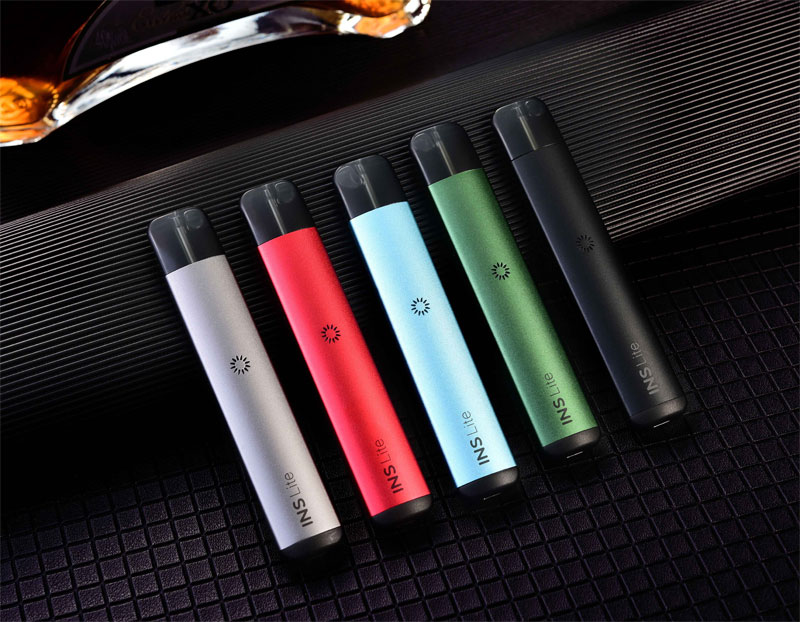
Breaking Down the Ingredients
- Propylene Glycol (PG): PG is a synthetic compound that serves as a major base of e-liquids. It creates the throat hit most smokers seek, making e-cigarettes feel closer to traditional smoking.
- Vegetable Glycerin (VG): Derived from plant oils, VG contributes to the dense vapor clouds. It has a naturally sweet flavor but works in conjunction with PG for the full vaping experience.
- Flavorings:
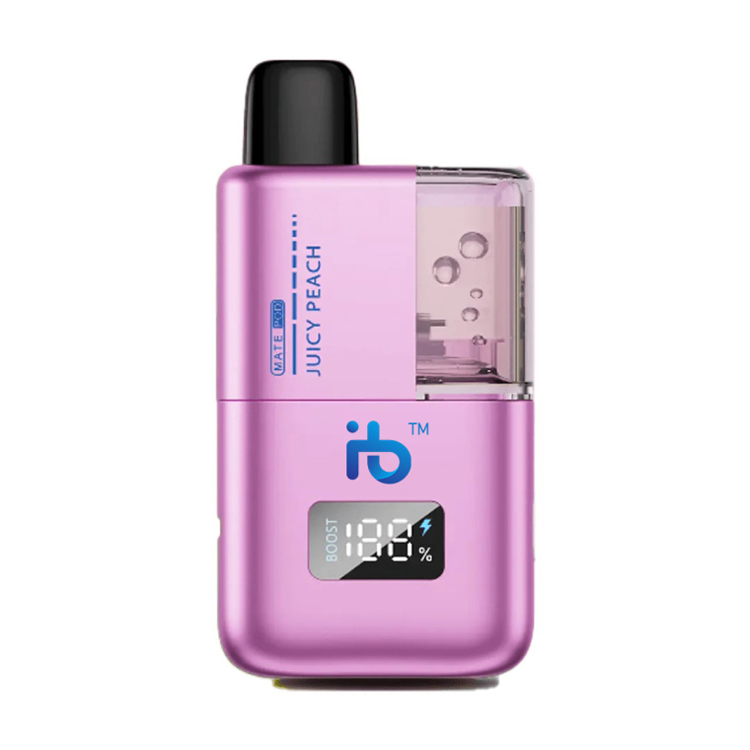 These are food-grade artificial or natural additives that make vaping enjoyable. From fruity to dessert-like flavors, they cater to users’ diverse preferences.
 - Nicotine: Though not present in all e-liquids, its inclusion is significant for replicating the feeling of traditional cigarettes. Nicotine concentrations vary and can be reduced to zero for those attempting cessation.
- Water: Often added in small amounts, it contributes to balancing the liquid’s consistency.
The Truth About “Just Water and Flavorings”
Many advertisements and discussions simplify the content of e-cigarettes to only water and flavorings, but that narrative overlooks the importance of other essential ingredients like PG, VG, and nicotine. This reductionist view may contribute to their growing popularity, especially among younger demographics, as it minimizes perceived risks.
A closer look at scientific analyses reveals that e-cigarettes can also emit harmful substances, including formaldehyde and acrolein, especially when used improperly or at high temperatures. Understanding these factors helps clarify that e-cigarettes are not merely harmless gadgets filled with innocuous substances.
Is “Only Water and Flavoring” a Marketing Strategy?
Some industry players may subtly push the “only water and flavoring” narrative to attract new users and downplay the potential risks. Emphasizing this notion serves to cultivate a perception of safety, but even casual use of e-cigarettes means exposure to chemicals that could have health implications.
Why This Myth Persists
There’s little regulation in the advertising of these products in some regions, paving the way for ambiguities to thrive. The depiction of e-cigarettes as trendy, harmless items coupled with widespread misinformation perpetuates this misleading belief.
Are E-Cigarettes Safer Than Traditional Tobacco?
While e-cigarettes may expose users to fewer toxic chemicals compared to traditional smoking, they are far from entirely safe. The narrative of safety has been debunked through numerous studies, which point to the presence of heavy metals, volatile organic compounds, and other harmful byproducts released during vaping.
Health Implications: E-cigarette users may face risks like lung inflammation, cardiovascular strain, and, over time, potential nicotine addiction. Regular awareness campaigns and policies are critical in highlighting these concerns.
Best Practices for Users
For those who already vape, it’s crucial to select reputable brands with transparent labeling to ensure safety. Avoid tinkering with devices to modify how they operate, as this can lead to overheating and the production of potentially harmful substances.
FAQs
- Q: Do all e-cigarettes contain nicotine?
- A: No, not all e-cigarettes contain nicotine. There are nicotine-free options available for users who aim to avoid this addictive substance.
- Q: Is vegetable glycerin safe to inhale?
- A: While VG is generally recognized as safe for ingestion, inhaling it in vapor form over long periods may lead to potential respiratory issues.
- Q: Can e-cigarettes help with smoking cessation?
- A: Some users report success in quitting traditional smoking using e-cigarettes, but results vary. It’s recommended to consult healthcare professionals for personalized advice.