Propylene glycol, a chemical compound often utilized in various industries, plays a significant role in the formulation of electronic cigarettes. Recognized for its ability to enhance flavors and create vapor, this ingredient is central to the vaping experience. Electronic cigarettes, distinct from traditional tobacco products, rely on e-liquid, a combination of substances designed to provide users with a smoking alternative that’s perceived as less harmful. Among the components of e-liquid, propylene glycol (PG) often constitutes a substantial portion alongside vegetable glycerin (VG) and nicotine. Propylene glycol, due to its unique properties, is chosen for its effectiveness in transport and suspension of flavors and nicotine, aiding in the uniform distribution within the liquid.
Understanding Propylene Glycol

Fundamentally, propylene glycol is a synthetic liquid substance highly regarded for its ability to absorb water. Its application in consumer goods ranges from food products to pharmaceuticals, owing to its relatively low toxicity. In the realm of electronic cigarettes, it serves as a solvent for nicotine and flavor concentrates, providing a smooth and consistent vapor. Moreover, PG is known for its thin consistency, which contrasts with the thicker texture of vegetable glycerin, contributing to a different vaping experience that some users prioritize for its stronger throat hit and less residue in coils.
Propylene Glycol and Vaping Experience
Users often choose e-liquids with higher propylene glycol content for specific reasons. One, it enhances flavor delivery, allowing nuanced tastes to be more perceivable during the inhalation process. Two, PG facilitates a faster absorption rate of nicotine within the body, leading to a rapid onset of desired effects. This component functions subtly within the vaping process, delivering an overall enhanced sensory experience. Notably, propylene glycol generates thinner clouds unlike VG, making it suitable for users who prefer discreet vaping sessions.
Health Considerations
Despite its many advantages, propylene glycol in electronic cigarettes raises questions regarding health implications. While largely considered safe by food and drug administration bodies, some individuals may experience mild allergic reactions characterized by throat irritation or dryness. Understanding the body’s response to PG is essential, as reactions can vary based on usage frequency and concentration within e-liquids. Research is ongoing to fully comprehend the long-term impacts, yet its classification as a generally recognized as safe (GRAS) compound provides reassurance to consumers.
Comparisons with Vegetable Glycerin
Contrasting propylene glycol with vegetable glycerin—a common alternative in e-liquids—reveals differences significant to users. VG tends to produce denser clouds and possesses a sweeter taste, often preferred for sub-ohm vaping and larger vape devices. Hence, the choice between PG and VG can cater to a variety of preferences, influencing both the tactile sensation and visual aspects of vaping.
FAQ Section
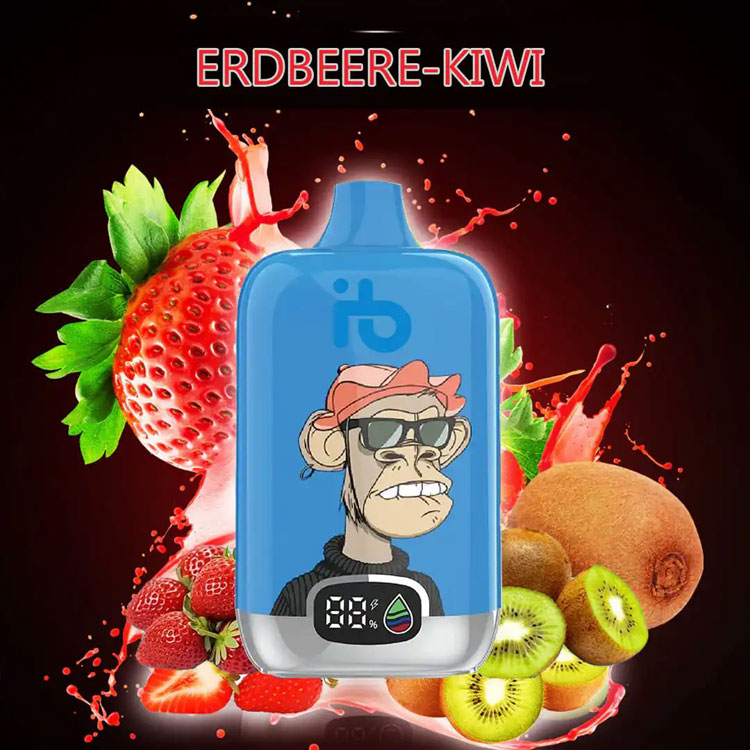
Does propylene glycol affect e-liquid flavor? Yes, propylene glycol can enhance the perception and strength of flavors in e-liquids due to its effective suspension properties and thinner consistency, allowing flavors to be expressed more vividly.
Is it possible to be allergic to propylene glycol? While rare, some users report sensitivities leading to irritation. It’s advisable to test with lower concentrations or alternate ingredients if reactions occur.
How does propylene glycol compare to other bases? PG is thinner and provides a stronger throat hit, whereas vegetable glycerin offers bigger vapor clouds and a smoother texture, catering to a range of vaping preferences.