As air travel becomes increasingly common, more passengers are curious about what they can and cannot bring onto airplanes. Among these inquiries, the question arises: Can we carry electronic cigarettes in flight? Understanding aviation regulations concerning personal items, especially vape devices, is crucial for a smooth and hassle-free journey. Let’s unravel the mysteries surrounding e-cigarettes on airplanes.
What Are Electronic Cigarettes?
Electronic cigarettes, often referred to as vapes, simulate smoking by vaporizing a liquid or gel. They are generally used as an alternative to traditional tobacco products. Because they contain batteries and sometimes liquid nicotine, airlines impose specific guidelines around their transportation.
Aviation Regulations for E-Cigarettes
While most airlines allow electronic cigarettes in cabin luggage, there are rules passengers must follow to ensure their safety and compliance with airline policies. It’s important to note that although carrying e-cigarettes on board might be allowed, using them during flight is strictly prohibited.
Battery Safety
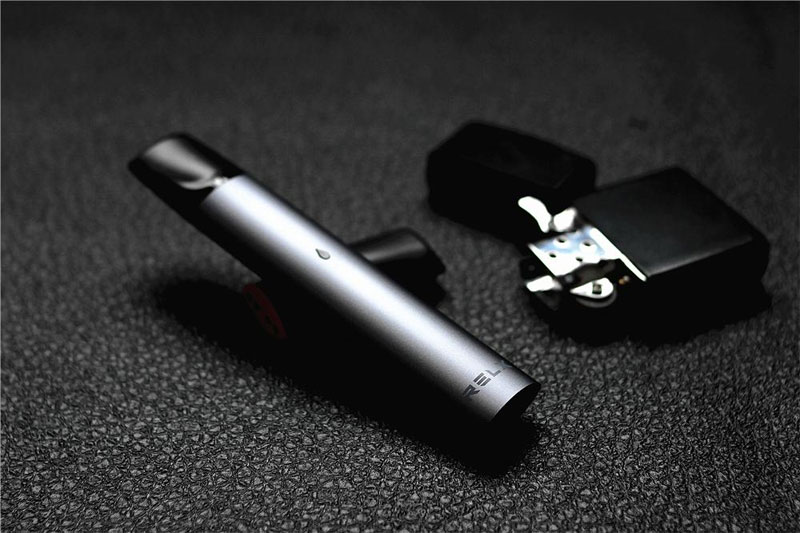
Since e-cigarettes contain lithium batteries, proper storage is mandatory. Passengers must pack them in their carry-on bags, never in checked luggage. Loose lithium batteries pose a risk and should be kept in protective casings. Airlines and the Federal Aviation Administration (FAA) have implemented these measures to prevent potential battery hazards.
Add-Ons and Accessories
Accessories typically accompanying electronic cigarettes, like chargers and extra battery packs, are usually allowed in hand luggage. Nonetheless, check with your specific airline for details since regulations can vary.
Baggage Checks
Security checkpoints scrutinize items such as vape devices and e-liquids. To avoid delays, ensure your carry-on complies with size and content rules. Many e-liquids are subject to the same regulations as other liquids; hence, placing them in clear, resealable bags is advisable.
International Travel
Crossing borders adds another layer of complexity. While many regions accept electronic cigarettes, others may enforce stricter bans or restrictions. As laws differ, passengers must stay updated on the rules governing vaping in their destination countries.
Special Considerations
Travelers should remain informed about potential e-cigarette bans in both airlines and airports. These prohibitions are often due to health concerns and facility policies. Research your airport’s regulations before arrival and understand any local ordinances that might affect your travel plans.
FAQ
Q: Is it permissible to vape inside an airport?
A: Usually, vaping inside airports is banned. However, some airports provide designated smoking areas. Always verify your airport’s specific rules prior to arriving.
Q: What if my e-cigarette is confiscated?
A: Passengers should follow security personnel instructions. If confiscated, ask about any policies regarding retrieving personal items.

Q: Can I bring e-liquids on international routes?
A: Most airlines allow e-liquids, but they must adhere to liquid regulations of your destination, typically fitting within the carry-on liquid limits.
In conclusion, while traveling with electronic cigarettes is feasible, familiarizing oneself with varying airline and airport regulations is essential. Proper preparation ensures a seamless journey, allowing you to focus on your travel rather than procedural hiccups.