The FDA’s latest action marks a significant turn in the efforts to regulate the use of e-cigarettes across the United States. As concerns about youth vaping and health risks associated with these products grow, the Food and Drug Administration’s recent decision to ban certain e-cigarette products could reshape the landscape of the vaping industry.
The Genesis of the Ban
The direct correlation between increased vaping among teens and the widespread availability of flavored e-cigarettes prompted the FDA to act. These flavored products are often seen as particularly enticing to younger audiences, raising concerns about addiction and long-term health implications. By implementing a comprehensive ban on such products, the FDA aims to curb underage usage and address these public health challenges.
Health Concerns and Statistics
Research has consistently shown a rise in e-cigarette use among younger generations. The Centers for Disease Control and Prevention (CDC) reported a 78% increase in e-cigarette use among high school students over just a year. Such alarming statistics have fueled the urgency of regulatory interventions. Moreover, the concerns extend beyond addiction; the long-term health effects of inhaling the chemical components of e-cigarettes are still being studied, with potential links to respiratory and cardiovascular issues.
Impact on Manufacturers and Retailers
For manufacturers, the FDA’s decision presents a formidable challenge. Companies that have heavily invested in flavored products will need to adapt swiftly to stay compliant. This not only affects production lines but also has economic implications as businesses navigate restricted product offerings. Retailers, on the other hand, may face decreased foot traffic and sales, as popular flavored products are removed from shelves.
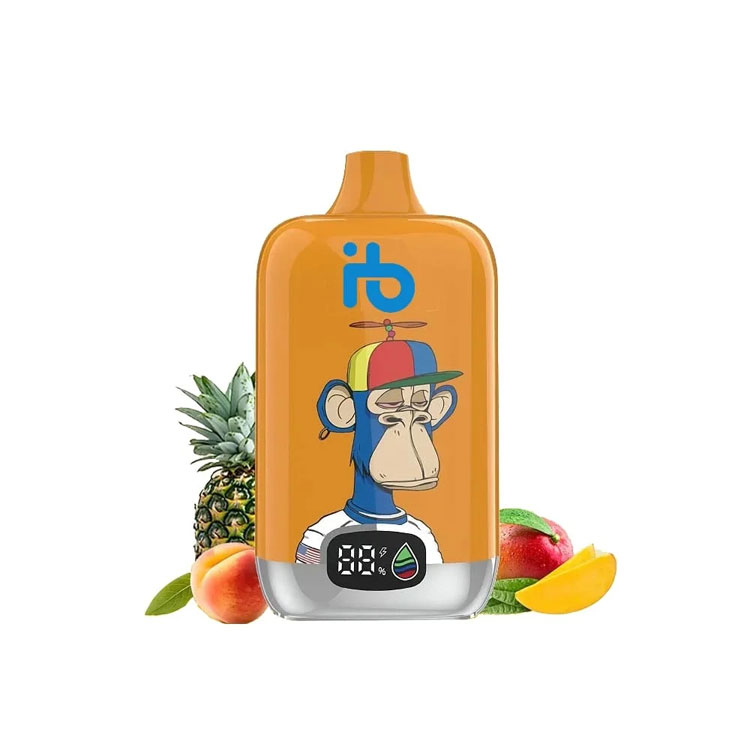
The impact on local stores could be significant, particularly those that depend on vaping products as a major revenue stream.
The Counterarguments
While some hail the FDA’s decision as a necessary step towards safeguarding public health, others argue that it
paves the way for an unregulated black market. This concern stems from the belief that banning flavored products could push consumers toward unverified sources, potentially increasing the risk of unsafe consumption. Moreover, adult smokers seeking less harmful alternatives might find themselves with fewer cessation tools.
Looking Towards the Future
Moving forward, the effectiveness of the FDA’s ban will largely depend on enforcement and public education efforts. For the ban to truly work, consistent monitoring and collaboration with state agencies will be critical. Additionally, educating youth about the dangers of nicotine addiction and promoting cessation programs will be essential in reducing demand.
Conclusion
The FDA’s recent decision to outlaw certain e-cigarettes marks a pivotal moment in public health policy. As the situation evolves, it is crucial for stakeholders—from manufacturers to health advocates—to engage in dialogue and cooperative strategies that prioritize health without stifying personal choice.
FAQ
- Why did the FDA decide to ban flavored e-cigarettes? The ban was primarily motivated by the rise in youth vaping, with flavored products believed to be particularly enticing to teens. The move aims to reduce access among minors.
- Could this ban affect adult smokers looking for alternatives? Yes, the ban might limit options for adult smokers seeking less harmful alternatives, but it is aimed at protecting youth from nicotine addiction.
- What can consumers expect moving forward? Consumers may see a reduced availability of flavored e-cigarette products in the market, and should remain informed about legal and safe vaping options.