The recent FDA e-cigarette ban has stirred significant discussions among smokers and stakeholders in the vaping industry. This regulatory move aims to tackle the rising health concerns associated with vaping, particularly among the youth. The FDA’s actions have profound implications, influencing everything from public health to the dynamics of the vaping market.
Understanding the Ban
The FDA e-cigarette ban primarily targets flavored e-liquids, perceived as appealing predominantly to younger demographics. The agency argues that these sweet and fruity flavors have contributed to a surge in teenage vaping. The ban strives to curb this rising trend and protect the health of younger generations. The decision aligns with broader public health initiatives aimed at reducing nicotine addiction.
Impact on Smokers
While the ban aims to deter new users, existing e-cigarette users, particularly those who transitioned from traditional tobacco, face a unique dilemma. Many adult vapers have relied on flavored e-cigarettes to quit smoking combustible tobacco products. For these individuals, flavor variety is not merely a preference but a critical component of their smoking cessation journey. The removal of preferred flavors might compel some to return to traditional smoking, posing a potential setback in public health efforts to reduce smoking rates.
The impact of the FDA e-cigarette ban on smokers who use vaping as a smoking cessation tool remains a contentious issue among health professionals.
Market and Industry Ramifications
The e-cigarette industry, valued at billions of dollars, is poised to experience significant shifts. Many businesses have built their brands around a wide assortment of vape flavors. With the implementation of the ban, these companies must pivot their strategies, potentially leading to significant financial losses and an uncertain future for smaller enterprises.
- Product Reformulation: Some companies may attempt to adapt by reformulating products to comply with FDA regulations, focusing on tobacco and menthol flavors, which remain permissible.
- Market Reduction:
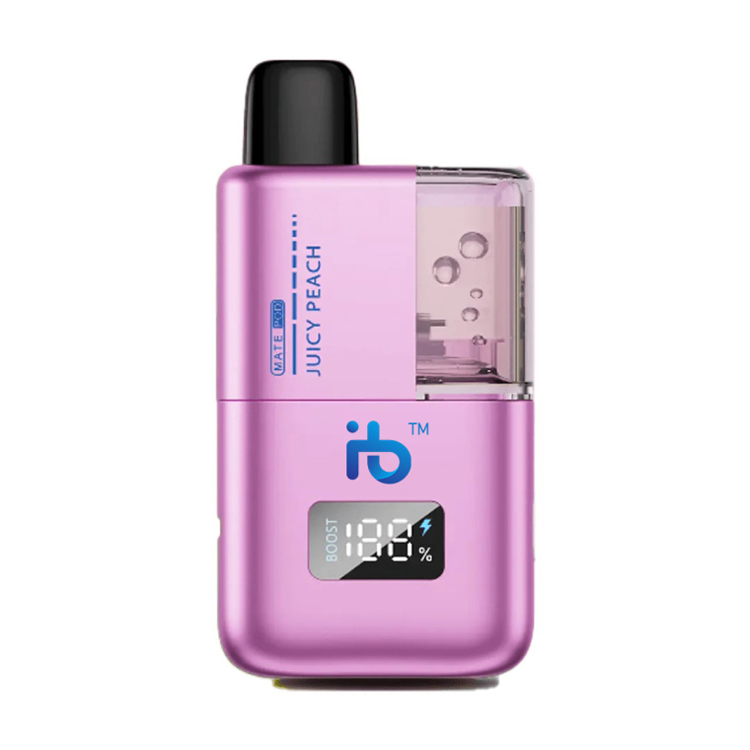 A foreseeable reduction in product variety could make the marketplace less attractive to consumers who value options, effectively diminishing consumer base and revenue streams.
Broader Public Health Effects
The ban’s expected long-term goal is to reduce the initiation of nicotine use among the teenage population. However, its broader implications on public health could manifest in different ways. While fewer teens might start vaping, the impact on current users could mean unintended consequences, including upticks in traditional cigarette smoking if alternatives diminish significantly.
The disruption caused by the FDA’s ban may also stimulate a black market for flavored e-liquids. This informal market could pose further health risks because of a lack of regulation and quality control.
What Lies Ahead?
The full scope of the FDA e-cigarette ban’s impact remains to be seen. As the market adapts, new developments will occur, potentially reshaping the landscape of nicotine consumption. Stakeholders must keenly observe how the ban influences both consumers’ habits and industry strategies.
FAQ
Why did the FDA prioritize a ban on flavored e-cigarettes?

The FDA’s decision to emphasize flavored e-cigarettes stems from their popularity among youth, which has led to increased rates of vaping among teenagers. By targeting these products, the FDA aims to reduce new user uptake and protect young people from initiating nicotine addiction.
Can the ban be reversed or modified in the future?
While the current ban stands, future policy changes are possible as new research emerges and public health trends shift. Stakeholder advocacy and legal challenges may also influence the evolution of this regulatory landscape.
What alternatives do smokers have if flavored options are limited?
Smokers looking to quit or reduce traditional cigarette use can consider FDA-approved cessation products, such as nicotine patches or gums, or seek support through counseling and smoking cessation programs.