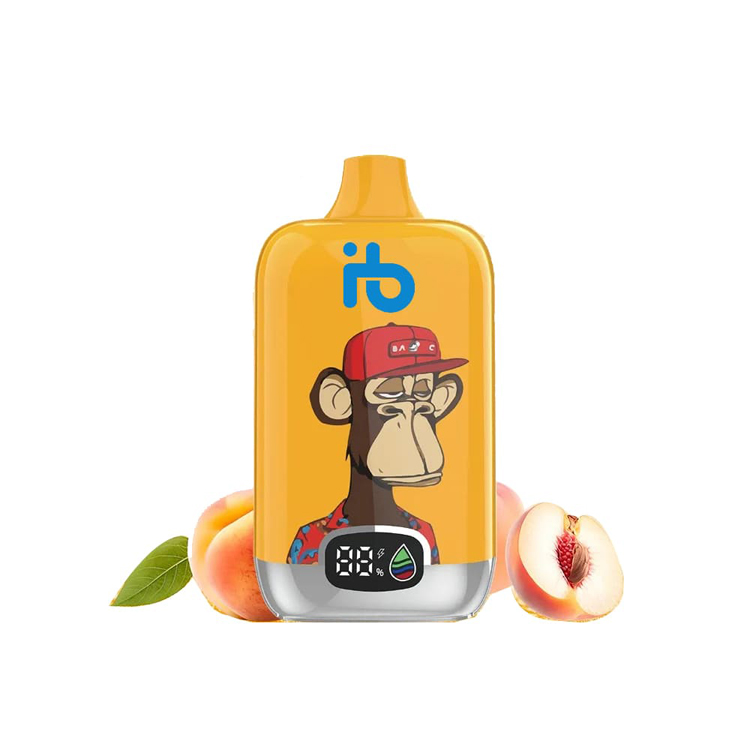
E-cigarettes have revolutionized the way people consume nicotine, offering a smoke-free alternative to traditional cigarettes. A key question many users ask is: How much nicotine is truly in an e-cigarette? Understanding this is crucial for those monitoring their nicotine intake, whether they are trying to quit smoking or simply seeking an alternative to conventional tobacco products.
Composition of E-Cigarettes
E-cigarettes are often filled with a liquid known as e-liquid or vape juice. This fluid usually contains a mixture of nicotine, propylene glycol, vegetable glycerin, and flavorings. The concentration of nicotine can vary significantly depending on the product. Therefore, when considering how much nicotine is in an e-cigarette, it is important to note that different brands and flavors may contain varying levels of nicotine.
Nicotione Concentration
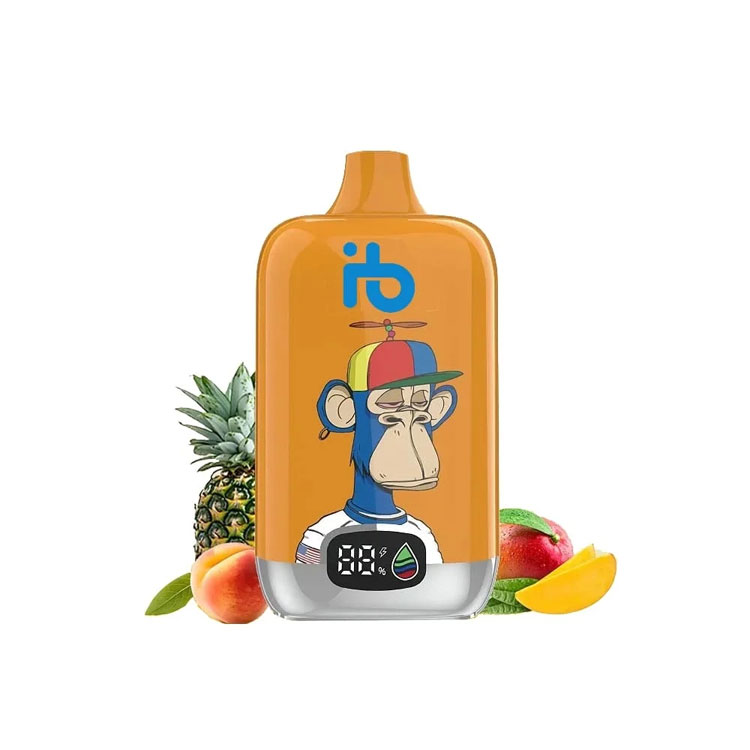
Commonly, nicotine levels in e-liquids are measured in milligrams per milliliter (mg/mL). A typical range could be anywhere from 0mg/mL, which indicates nicotine-free e-liquid, to a stronger variant which might contain up to 50mg/mL. For instance, someone using a 6mg/mL e-liquid, depending on how much they consume, can calculate their daily nicotine intake. Such measurements are crucial for former smokers who may be accustomed to certain nicotine levels found in traditional cigarettes.
Impact on Health
Nicotine consumption, whether through traditional cigarettes or e-cigarettes, can have various health implications. Although e-cigarettes eliminate many of the harmful substances found in tobacco smoke, nicotine is still addictive and can have adverse effects on the body. Understanding the composition and nicotine levels in e-cigarettes can help users make informed choices about their health.
Comparing E-Cigarettes to Traditional Cigarettes
The question arises: how do e-cigarettes compare to regular cigarettes in terms of nicotine content? Regular cigarettes can contain between 8mg to 20mg of nicotine per cigarette. However, the amount actually absorbed by the smoker is much lower than what’s present. E-cigarettes, on the other hand, allow users to control nicotine intake more precisely through the selection of e-liquid strengths. For individuals who are transitioning from smoking to vaping, finding the right balance may involve starting with an e-liquid that has a similar nicotine level to what they’re accustomed to.
Factors Affecting Nicotine Absorption
Several factors influence nicotine absorption from e-cigarettes, including the device type, the concentration of nicotine in the e-liquid, and the frequency and style of puffing. Advanced vaping devices may enhance nicotine absorption compared to basic pen-style e-cigarettes. Furthermore, how users inhale — such as the depth and length of each puff — may also affect nicotine delivery to the bloodstream. Understanding these variables can help users manage how much nicotine they consume, tailoring their experience to suit personal needs.
Frequently Asked Questions
- How can I determine the right nicotine level for me?
Start by considering your previous smoking habits. If you were a heavy smoker, higher nicotine concentrations might be necessary at first. Slowly decrease the nicotine level as you become accustomed to vaping. - Are nicotine-free e-cigarettes safe?
Nicotine-free e-cigarettes eliminate addiction risks but can still contain other substances that might affect your health. It’s vital to research and choose high-quality products. - Is vaping less harmful than smoking?
Many studies suggest that vaping is less harmful but still poses health risks due to nicotine and other chemicals present. Always weigh the benefits and risks based on your personal health conditions.