E-Sigara: A practical, evidence-focused guide for curious and concerned users
The ongoing debates about inhaled nicotine products are complex and full of nuance, but one clear headline has emerged across research summaries and health advisories: e-cigs can have the same cancer causing chemicals as cigarettes. This article unpacks what that means for users, what the science currently shows, and how to reduce risk if you choose to use these devices. The goal here is to be practical, accurate, and searchable for people looking for reliable guidance on E-Sigara use and related hazards.
Why this matters: bridging perception and reality
Many people switch to vaping believing it is harmless or significantly safer than smoking. While some exposures are reduced when a combustible cigarette is replaced by an electronic delivery system, researchers have detected a range of toxicants in some e-liquids and vapor emissions. Specifically, studies have shown that under certain conditions e-cigs can have the same cancer causing chemicals as cigarettes. That phrase captures a key public-health concern: the presence of carcinogenic constituents — not necessarily that all e-cigarettes are identical to cigarettes in overall risk, but that similar hazardous compounds can be present.
What kinds of cancer-causing chemicals have been found?
- Carbonyls: formaldehyde, acetaldehyde and acrolein are produced when the heating element (coil) thermally degrades propylene glycol or glycerin; these carbonyls are classified as carcinogens or respiratory toxins.
- Volatile organic compounds (VOCs): benzene and toluene have been detected in some vapor samples under specific device and usage conditions.
- Polycyclic aromatic hydrocarbons (PAHs): while generally lower than in cigarette smoke, traces of PAHs — many with carcinogenic potential — have sometimes been reported.
- Tobacco-specific nitrosamines (TSNAs): these are potent carcinogens typically associated with tobacco leaf and unburned tobacco residues and can be present in nicotine-containing e-liquids, especially if the nicotine extraction or purification is inadequate.
- Metals: traces of metals like lead, nickel, chromium, and cadmium have been found in aerosol condensates, often originating from coils or solder.
How and why these chemicals appear
The processes that lead to the formation of hazardous chemicals in vapor are diverse: thermal decomposition of solvents (propylene glycol and vegetable glycerin), chemical impurities in the nicotine or flavorings, contamination during manufacturing, and the device hardware itself. Higher power settings, dry puff conditions (when the wick runs dry), and certain flavor chemistries can increase formation of harmful carbonyls and other toxicants. Because of this complexity, two devices or even two puffs from the same device can produce different chemical profiles.
Evidence strength and important caveats
Researchers use lab-based machine vaping, human biomarker studies, and chemical analyses to assess risk. Lab conditions sometimes exaggerate exposures compared to typical human use, but biomarkers in human users (urinary metabolites or blood markers) have confirmed exposure to some harmful compounds among certain e-cigarette users. Importantly, exposure magnitude varies by device type, user behavior, e-liquid composition, and quality control in production. The phrase e-cigs can have the same cancer causing chemicals as cigarettes. is supported by multiple peer-reviewed reports showing overlapping chemical identities; however, total exposure and long-term outcomes depend on many factors.
Comparative risk: not a simple equivalence
It is critical to avoid oversimplified equivalence statements. Traditional combustible cigarettes generate a far wider and more concentrated mix of combustion products, which correlates with very high rates of lung cancer, cardiovascular disease, and other harms. E-cigarettes may produce fewer or lower concentrations of many of those products in typical use, but the detection of specific carcinogens and toxicants in some e-cigarette aerosols means they are not free of cancer-causing risks. For public health messaging and for individual decision-making, nuance matters.
Practical guidance for current and potential users
- Source matters.
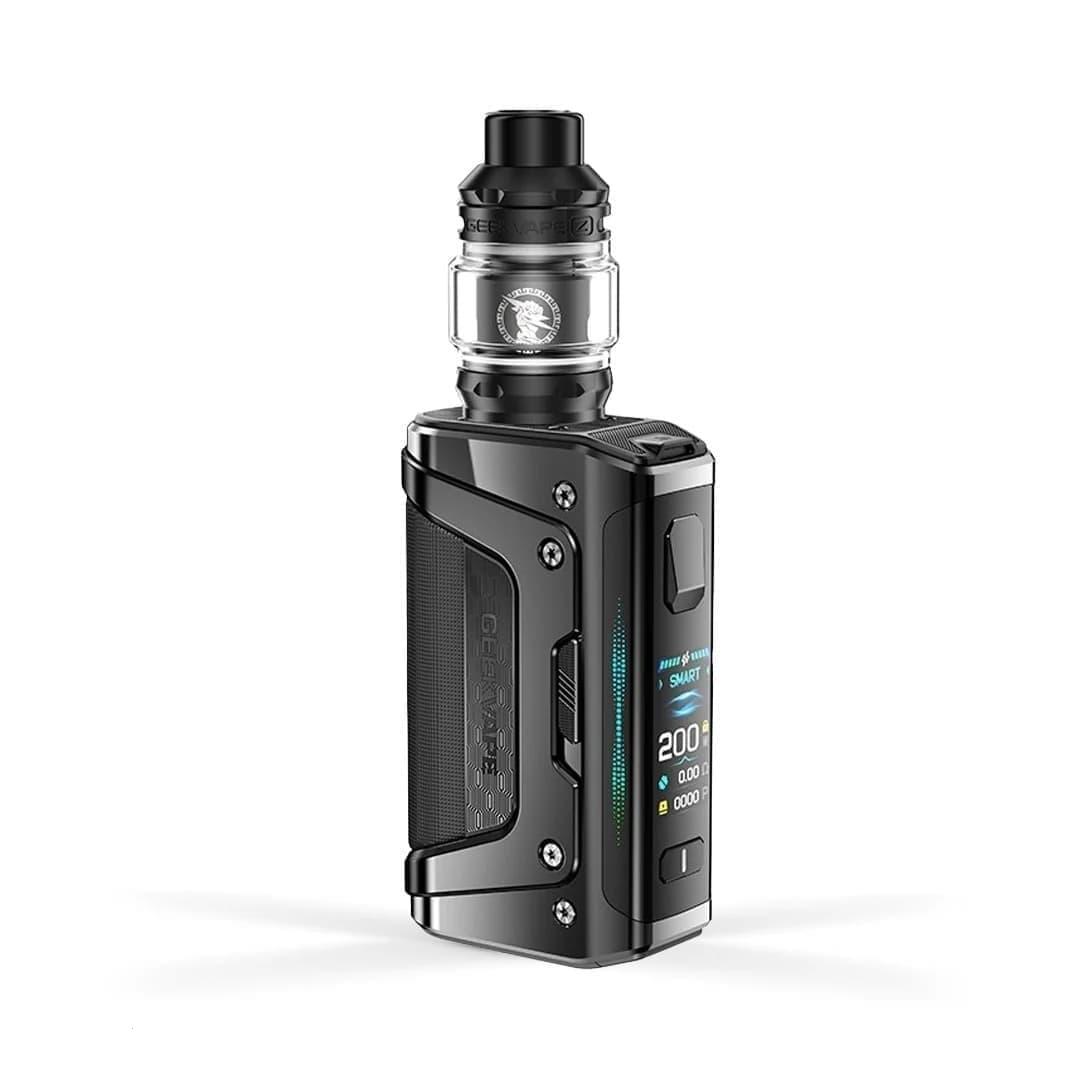 Choose products from reputable manufacturers and vendors, ideally those that disclose ingredients and batch testing. Avoid black-market or unregulated supplies where contamination risk is higher.
 - Avoid high-temperature settings and power extremes. Many harmful carbonyls increase with coil temperature; manufacturers’ recommended settings often minimize thermal degradation of solvents.
- Mind the flavors and formulations. Certain flavoring chemicals can produce reactive byproducts when heated; some have known respiratory toxicity.
- Don’t “chain vape” at high power. Sustained heavy use at elevated temperatures increases byproduct formation.
- Consider nicotine source. Pharmaceutical-grade nicotine is less likely to carry tobacco-specific nitrosamines than poorly purified nicotine extracts.
- Monitor devices and replace coils/wicks per guidance. Metal wear and improper wicking increase risk of unwanted emissions.
- For smokers, thoughtful switching under medical advice can be part of a harm-reduction plan. If quitting nicotine entirely is the goal, seek evidence-based cessation supports.
Regulatory and quality control landscape
Different jurisdictions regulate e-cigarettes with varying intensity. Where robust product standards, manufacturing oversight, and labelling requirements exist, there is better potential to reduce consumer exposure to contaminants. In many regions, however, gaps remain: inconsistent ingredient disclosure, poor manufacturing practices, and limited independent testing. For this reason, public health agencies sometimes warn that e-cigs can have the same cancer causing chemicals as cigarettes. That message is meant to encourage caution and demand for better product standards rather than to categorically equate all products or all uses.
Research priorities going forward
Key areas where more evidence is needed include long-term cohort studies on cancer incidence among exclusive e-cigarette users, standardized testing methods that reflect realistic user behaviors, clearer attribution of exposure sources (device vs e-liquid), and investigations into the combined effects of multiple low-dose exposures over time. Investment in these areas will improve future recommendations and regulatory actions.
The take-home: while many users experience reduced harm biomarkers when switching fully from smoking to vaping, detection of specific carcinogens in some e-cig aerosols shows that risk is not eliminated. Responsible consumers and policymakers should act on that reality.
Myths, facts and quick clarifications
- Myth: “Vaping is harmless water vapor.” Fact: Vapor can contain volatile chemicals, aerosols, and particulates.
- Myth: “If an e-liquid says ‘nicotine-free’ it’s safe.” Fact: Some unlabeled contaminants or thermal byproducts can still be generated during heating.
- Myth: “All e-cigs are the same.” Fact: Huge variability exists by device design, power, and e-liquid composition.
What individual users can monitor
Keep an eye out for dry hits (harsh, burnt taste), odd discoloration in e-liquid, rapid coil degradation, or unexplained respiratory symptoms. These can be indicators that you are exposing yourself to more harmful byproducts. If you notice these signs, reduce power settings, stop use temporarily, and consult product guidance or a healthcare provider.
Communicating risk to others
When discussing these topics with friends, family, or patients, emphasize balanced messages: acknowledge that many people switch from smoking to vaping believing they will reduce harm, note that some exposures are lower but that detectable carcinogens have been documented in certain conditions, and recommend harm-minimizing behaviors or cessation supports for those who wish to quit nicotine entirely.
Search engines and readers often look for clear keyword signals. For that reason this article intentionally includes well-placed SEO phrases such as E-Sigara and the explicit warning e-cigs can have the same cancer causing chemicals as cigarettes. These phrases are integrated into headings, bold tags, and early paragraphs to help users and algorithms find reliable content on this important subject.
Action checklist
- Prefer products with third-party testing and clear ingredient lists.
- Avoid DIY or modified devices that can unpredictably increase toxicant formation.
- Consider nicotine replacement therapy (NRT) or behavioral programs if your goal is to stop nicotine use.
- Report adverse events to local health authorities and seek medical attention for new respiratory or cardiovascular symptoms.
Final balanced perspective
It is accurate to state that e-cigs can have the same cancer causing chemicals as cigarettes. That truth should prompt better manufacturing oversight, clearer public communication, and informed personal choices. It should not be a reason to dismiss all potential harm reduction benefits where appropriate, but it is a clear signal that neither product category is without risk. Making safer choices means choosing regulated products, using devices as intended, and seeking support to quit nicotine entirely if that is the desired outcome.
References and resources for further reading
For readers seeking primary literature: look for peer-reviewed reviews on carbonyl formation in e-cigarette aerosols, biomarker studies comparing exclusive e-cigarette users and smokers, and regulatory guidance documents from public health agencies. Trusted medical organizations and national health departments regularly update consumer advisories.
FAQ
A1: Not all will have detectable levels of every carcinogen, but studies show certain devices, liquids, and conditions can generate or contain carcinogenic chemicals. Product quality and usage pattern matter.
A2: Lowering power and avoiding dry puffs typically reduces thermal decomposition of solvents and decreases formation of some carbonyls, but it cannot eliminate all risks.
A3: Switching may reduce exposure to many combustion products associated with smoking, but some carcinogens can still be present in vapor. The long-term cancer risk profile is still being studied.
A4: Look for manufacturers that provide batch testing, third-party lab reports, and transparent ingredient lists; avoid unregulated sources.
Closing note
Sound choices come from clear information. Keep asking questions, demand better product standards, and consult healthcare professionals when making decisions about nicotine use. The presence of overlapping toxicants in some devices highlights a public-health challenge — to minimize harm through better regulation, user education, and accessible cessation resources. For immediate searches, remember the central phrases used in this article: E-Sigara and e-cigs can have the same cancer causing chemicals as cigarettes.