Choosing a Better Vape: Practical Guidance for Device Selection and Health-Conscious Use
Selecting a vaping device is more than a trend-driven purchase; it is an informed choice that affects satisfaction, safety, and long-term enjoyment. Whether you are a newcomer exploring reduced-risk alternatives or an experienced user upgrading your kit, understanding how features, materials, and user behavior combine to form a positive and safe experience is essential. This guide explains how to pick an electronic cigarette that meets your needs while clarifying why a safe electronic cigarette matters to your health and to the quality of your inhalation experience.
Why device selection matters: function, form and long-term value
At first glance, choosing an electronic cigarette can appear straightforward: pick a style, a color, and a brand. However, functional elements such as battery reliability, coil materials, airflow control, e-liquid compatibility, and ease of maintenance dramatically influence performance. A well-chosen device will deliver consistent vapor production, accurate nicotine delivery, and predictable flavor without exposing users to avoidable hazards. Investing time in understanding these technical details ensures the device you pick aligns with your usage patterns and safety expectations.
Core components to consider
- Battery and power management:
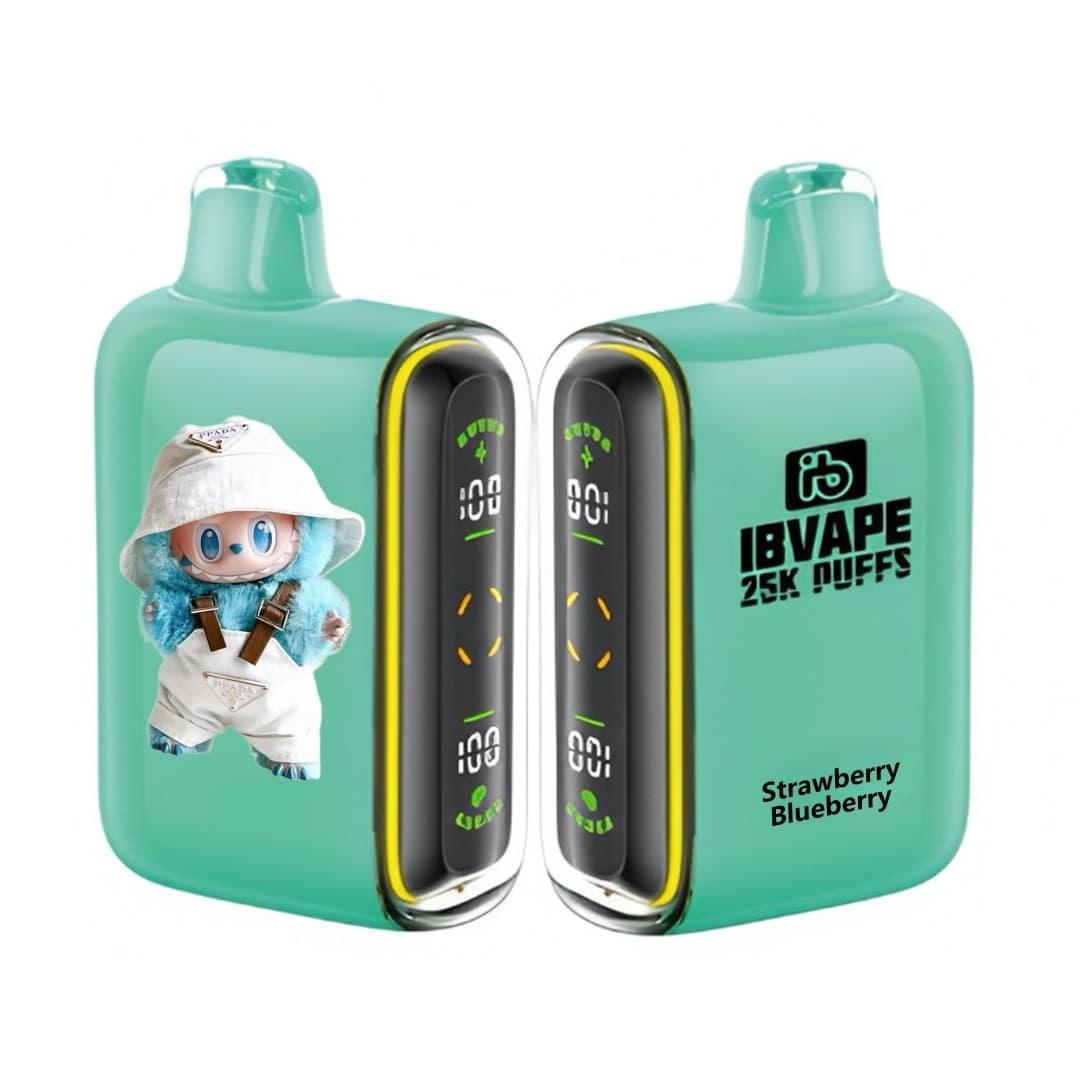 Modern devices use regulated single-cell batteries with built-in protections (overheat, overcharge, short-circuit). Devices that lack these protections or recommend non-recommended cells increase the risk of failure. Look for reputable manufacturers and devices with recognized safety certifications.
 - Atomizer and coil materials: Coil composition affects the chemistry of vapor and stability of heating. Common coil materials include Kanthal, nickel, stainless steel, and nickel-chromium blends. Each has pros and cons for temperature control and safety. A safe electronic cigarette leverages suitable coil materials and clear user guidance on wattage and maintenance.
- Tank and e-liquid compatibility: Glass or high-grade polycarbonate tanks resist flavor contamination and chemical leaching. Low-quality plastics can degrade over time when in contact with certain e-liquids. Choose tanks that explicitly list compatible substances and that adhere to food-grade or medical-grade material standards.
- Airflow and draw types: MTL (mouth-to-lung) versus DTL (direct-to-lung) setups require different coil resistances and wattages. Matching the device’s airflow characteristics to your preferred draw prevents dry hits and overheating, and it contributes to a safer vaping routine.
- Build quality and maintenance: Devices that are easy to disassemble and clean reduce the buildup of residue, which can degrade flavor and potentially alter thermal behavior. Replaceable parts that follow industry-standard sizes make maintenance simpler and reduce improper modifications.
Understanding what “safe” means for an electronic cigarette
When we say safe electronic cigarette, we refer to several overlapping aspects: chemical safety of the inhaled vapor, mechanical and electrical reliability of the device, and a reduced likelihood of user error or misuse. Safety does not mean zero risk — no inhalation product is entirely risk free — but it does mean minimizing avoidable harms through responsible design, transparent materials disclosure, and evidence-based use recommendations.
Key safety dimensions
- Materials transparency: Manufacturers that list tank materials, coil metals, and battery types allow users and regulators to evaluate risk. A safe electronic cigarette will avoid ambiguous claims and provide clear documentation.
- Battery protection: Over-discharge, thermal runaway, and short-circuit risks are mitigated by integrated protection circuits, robust housings, and clear charging instructions. Quality chargers and avoiding cheap, unbranded batteries help maintain safety.
- Firmware and regulation: Devices with updatable firmware that include safety cutoffs, temperature control, and wattage limits add layers of protection. Reputable vendors will document these features and how to use them.
- Consistent manufacturing: Tolerances and assembly quality affect seals, airflow, and electrical connections. Leaks, loose connections, or inconsistent coil resistance are signs of poor manufacturing that can compromise safety.
How a safe electronic cigarette protects your health
A careful selection and responsible use of an electronic cigarette support harm reduction strategies for adults who already smoke. The following mechanisms describe how device safety contributes to a lower-risk profile compared to unmanaged alternatives.
Reduced thermal decomposition and fewer unwanted byproducts
Appropriate coils, controlled power settings, and proper wicking reduce the likelihood of overheating e-liquids. Overheated e-liquids can generate unpleasant and potentially harmful thermal decomposition byproducts. A safe electronic cigarette design prioritizes stable thermal behavior, which lowers the chance of producing high-temperature artifacts that irritate the throat or add toxicants to the aerosol.
Battery safety and predictable energy delivery
Reliable power delivery ensures that the device performs as expected, avoiding sudden surges or drops that could cause incomplete vaporization (leading to residue) or dangerously high temperatures. Batteries with protection circuits and manufacturer-recommended charging practices limit the risk of fires or explosions.
Cleaner materials and fewer contaminants
Glass tanks and food-grade seals prevent unwanted plasticizers or chemical leaching into the e-liquid. Companies focused on safety test for heavy metals in coils and supply chain purity. While trace metals are a concern, a safe electronic cigarette will have documentation of testing and suitable engineering to reduce this exposure.
Practical buying checklist: how to identify a trustworthy device
Before purchase: research and due diligence
- Read independent reviews and user reports about device longevity and failure modes.
- Look for regulatory compliance details, product certificates, and third-party testing where available.
- Verify the company’s customer support responsiveness and warranty policy.
What to examine at first use
- Inspect the device for visible defects, irregular seams, or poor machining.
- Confirm the battery indicators and test on low settings first to assess heat generation.
- Prime coils correctly and follow break-in procedures; improper priming leads to dry heating and unpleasant byproducts.
Maintenance habits that keep your device safe and enjoyable
Ongoing maintenance is where safety and satisfaction meet. Some simple habits go a long way:
- Regularly clean tanks and replace seals; residue buildup affects flavor and thermal performance.
- Change coils and cotton wicks according to manufacturer guidance; burnt cotton compounds flavor and health risk.
- Use the recommended e-liquid nicotine strength and VG/PG ratio for your coil type to prevent excess flooding or dry burning.
- Store batteries in protective cases when not in use and never leave charging batteries unattended for extended periods.
Refill and reuse responsibly
Refilling with reputable e-liquids reduces the chance of contamination or inconsistent nicotine dosing. Avoid homemade or unlabeled liquids that may contain impurities or misidentified ingredients. A safe electronic cigarette used with well-formulated e-liquids forms the foundation of a more controlled inhalation experience.
Common myths and reliable clarifications
Myth: All vaporizers are inherently safe. Fact: Not all devices are created equal; material choices, battery protections, and manufacturing quality determine relative safety.
Myth: If it tastes fine, it is safe. Fact: Palatable flavor does not guarantee absence of thermal byproducts or heavy metals; testing and good device design matter.
Regulatory landscape and consumer protection
In many regions, regulators are developing standards for emissions testing, battery safety, and ingredient disclosures. Consumers can protect themselves by favoring brands that proactively publish safety data and test results. When a manufacturer demonstrates transparency, you can better assess whether a device qualifies as a safe electronic cigarette.
Tailoring your choice to your priorities
Different vapers have different priorities: discreetness, flavor fidelity, cloud production, or portability. Matching the device type to these priorities while keeping an eye on safety features yields the best results.
Profiles and recommended device characteristics
- Discreet, low-power users: Choose regulated pod systems with sealed cartridges, conservative wattage ranges, and integrated batteries. These often emphasize low maintenance and built-in protections.
- Flavor-focused users: Prefer rebuildable or high-precision tanks that support fine-tuned coils and stable temperature control. Ensure the setup includes accurate wattage/temperature readouts and clear material specs.
- Cloud chasers: High-power setups require more knowledge: select devices with strong battery management, proper ventilation, and coils rated for the intended wattage. Know the limits of your chosen coil materials.
How to transition to safer habits: practical steps
Start simple: choose a reputable starter kit with good documentation, learn maintenance basics, and use recommended e-liquids. As you gain experience, move to more advanced gear only after mastering fundamentals like coil resistance, battery safety, and proper wicking. A safe electronic cigarette becomes safer when paired with informed user behavior.
Monitoring and signs you need to act
Be alert for these warning signs: overheating, strange smells, leaking tanks, inconsistent resistance readings, or diminished battery life. When any of these appear, stop use until the issue is diagnosed. Regular maintenance and timely part replacement prevent many common failures.
How retailers and manufacturers can support safety
Retailers should offer clear instructions, honest comparisons, and visible safety information. Manufacturers play a critical role by designing devices with layered protections, publishing test data, and providing accessible support. When the supply chain commits to safety, the consumer’s path to a safe electronic cigarette is much easier.
Concluding guidance: informed choice leads to better outcomes
The difference between a convenient gadget and a reliable, health-conscious tool is largely a matter of informed selection and consistent care. By prioritizing transparent materials, robust protections, and user education, you can choose an electronic cigarette that offers enjoyable performance with reduced avoidable risks. Remember: safety is a multi-dimensional commitment shared by manufacturers, retailers, and you as a responsible user.
Quick decision checklist
- Verify battery protections and charging recommendations.
- Check coil and tank materials for tested safety standards.
- Prefer devices with firmware safety features and clear user manuals.
- Use reputable e-liquids and follow maintenance schedules.
FAQ
Is an electronic cigarette completely risk free?
No. While many public health authorities acknowledge that switching from combustible cigarettes to electronic cigarette systems can reduce certain risks for adult smokers, no inhaled product is entirely risk-free. A safe electronic cigarette reduces avoidable risks through design and responsible use, but long-term effects continue to be studied.
How often should I replace coils and wicks?
Coil and wick lifespans depend on use, e-liquid type, and wattage. Typical guidance ranges from one week to several weeks for regular users. Replace them when flavor declines, you detect a burnt taste, or residue buildup becomes visible.
Can I use any e-liquid with my device?
Not always. Check the manufacturer’s guidance for recommended VG/PG ratios and nicotine types. High-VG fluids suit sub-ohm tanks, while higher-PG blends are better for pod systems. Misusing e-liquids can cause poor wicking, dry hits, or overheating.
Where can I find trustworthy safety information?
Seek third-party lab reports, user-community feedback, and manufacturer transparency statements. Regulatory databases and recognized consumer protection agencies may publish device-related safety advisories.
For additional help or device-specific recommendations, consider contacting certified retailers, reading independent lab tests, and joining informed user communities where experience and evidence guide safer choices of an electronic cigarette and steps toward maintaining a safe electronic cigarette practice.