Choosing a safer vaping solution: practical guidance and ingredient transparency
If you’re researching the best e-cigarette options and asking what chemicals are found in e cigarettes, this comprehensive guide walks you through device selection, ingredient awareness, risk reduction tactics and practical tips to make an informed decision. The goal is to help adult users compare product types, learn which constituents commonly appear in e-liquids and aerosol, and adopt safer habits while acknowledging scientific uncertainty and regulatory differences across regions.
Overview: difference between devices and why it matters
Not all vape products are created equal. When searching for the best e-cigarette for your needs, consider core categories: disposable pod systems, refillable pod systems, vape pens, box mods and pod mods. Each format affects temperature, power, and aerosol chemistry — factors that influence which chemicals end up in vapor and at what levels. Understanding what chemicals are found in e cigarettes requires knowing how e-liquids are heated and which materials contact the liquid and coil.
Key selection criteria to find the best device for you
- Purpose and experience: newcomers often prefer simple pod systems with low power; experienced users may seek adjustable wattage for cloud control.
- Nicotine delivery: nicotine salts vs freebase nicotine — salts provide smoother throat hit at higher nicotine, which can influence frequency of use and exposure.
- Temperature and power control: lower temperature and modest power reduce thermal degradation of ingredients and formation of carbonyls.
- Coil materials: kanthal, nichrome, stainless steel, titanium — each reacts differently at high heat and can release metal particles when overheated.
- Quality and lab-testing: devices and e-liquids tested by third-party labs yield clearer data on contaminants; certifications and batch lab reports increase trust.
- Refillable vs disposable: refillables reduce waste and offer ingredient transparency when reputable brands provide ingredient lists and COAs (certificates of analysis).
What is typically in e-liquid and why ingredient lists matter
The standard e-liquid base combines humectants, nicotine (optional), and flavorings. The most common components are propylene glycol (PG), vegetable glycerin (VG), nicotine (in varying strengths), and a mixture of food-grade flavorings. While these base ingredients are generally recognized as safe for ingestion, inhalation introduces different exposure pathways and potential risks. Knowing what chemicals are found in e cigarettes begins with reading ingredient lists and supplier transparency practices.
Primary e-liquid ingredients and their roles
- Propylene glycol (PG): carries flavor and delivers throat hit.
- Vegetable glycerin (VG): produces vapor clouds and adds sweetness.
- Nicotine: addictive stimulant; can be present as freebase or as nicotine salts.
- Flavoring agents: food-approved compounds but not always tested for inhalation safety.
Secondary chemicals and contaminants that appear in vapor
Beyond e-liquid ingredients, aerosols can contain additional chemicals either formed by heating or introduced by device components. When evaluating what chemicals are found in e cigarettes, the most frequently reported groups include carbonyl compounds (like formaldehyde and acetaldehyde), volatile organic compounds (VOCs), small aldehydes and ketones, metals (nickel, chromium, lead), tobacco-specific nitrosamines (TSNAs) in nicotine-containing liquids, and diacetyl or related diketones in some buttery flavorings. Concentrations vary with device settings, coil age, wicking efficiency and e-liquid composition.
Carbonyls and thermal degradation products
Carbonyls form when PG, VG or flavor molecules are heated, especially at high wattages or when wicks run dry. Formaldehyde and acrolein are of particular concern because of known respiratory toxicity. Choosing the best e-cigarette for safety includes avoiding devices that routinely run coils at extreme temperatures and following manufacturer guidance on coil resistance and wattage ranges.
Metals and particulate matter
Coils and internal metal parts can contribute trace metals to the aerosol. Lab studies have identified nickel, chromium, copper and lead at varying levels in some products. While many exposures are low compared to cigarette smoke, cumulative inhalation and the presence of nanoparticles remain concerns, particularly for high-intensity users. Selecting devices with higher manufacturing standards and minimal coil degradation helps reduce risk.
Flavor chemicals: widely variable and sometimes problematic
Flavorings are often food-grade, but inhalation safety is less established. Compounds like diacetyl and acetyl propionyl — used for buttery flavors — have known associations with severe lung disease in occupational settings. Manufacturers increasingly list ingredients and eliminate known harmful additives, but the consumer must still ask what chemicals are found in e cigarettes by reviewing third-party lab data or opting for brands that publish COAs and full ingredient disclosures.
How device settings and user behavior influence chemical formation
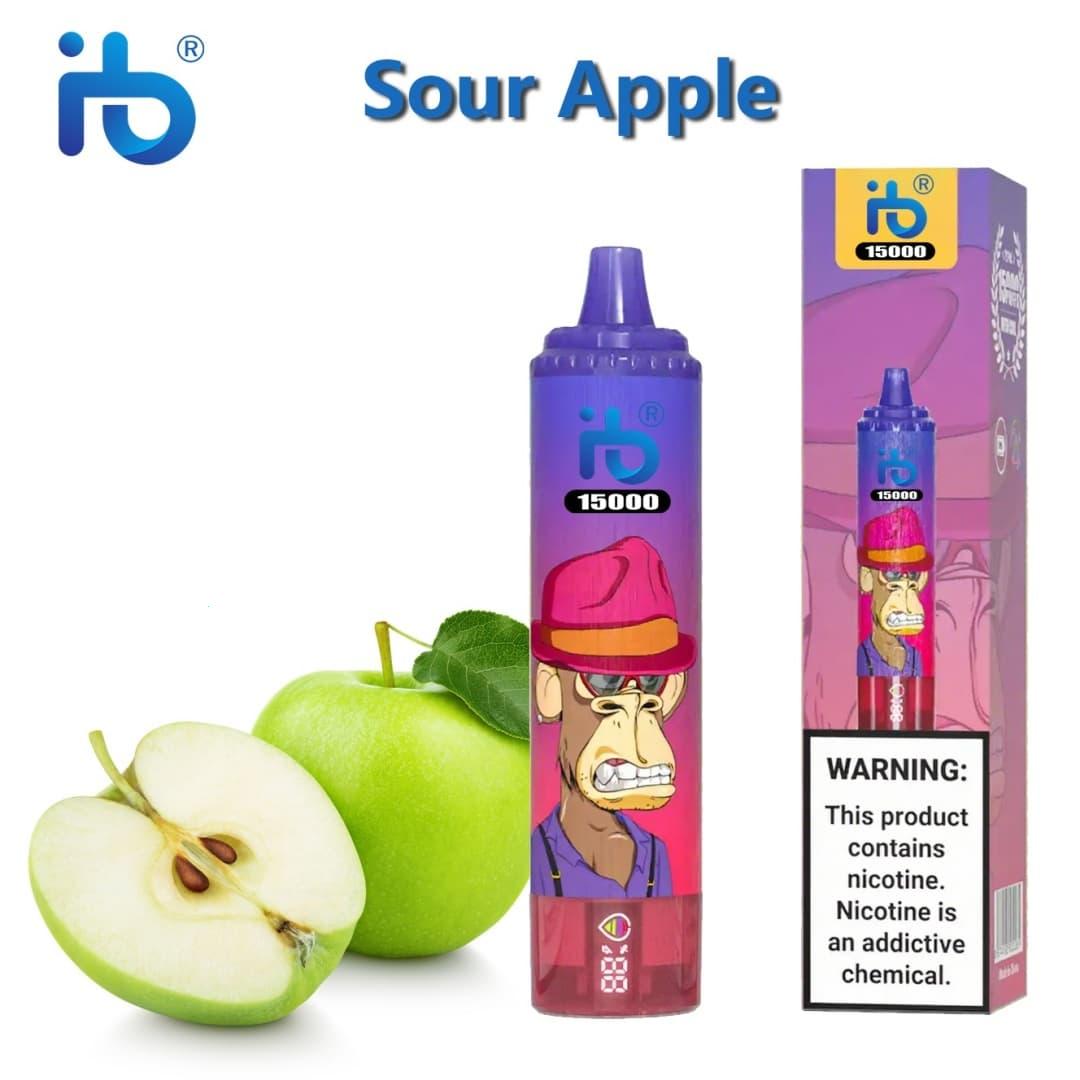
Vapor chemistry depends heavily on temperature, coil condition and usage patterns. High-power vaping, chain vaping, dry hits and improper wicking raise coil temperature and can increase formation of harmful carbonyls and VOCs. The best e-cigarette for harm reduction is therefore not only about brand but about a device that matches your style and encourages safe operation: stable temperature control, proper airflow, and clear wattage limits.
Nicotine considerations: delivery, salts and exposure
Nicotine concentration affects dependence and inhalation frequency. Nicotine salts allow smoother inhalation at higher concentrations and can increase nicotine intake per puff. If your priority is risk reduction and quitting combustible tobacco, choose formulations and devices that support gradual nicotine reduction and consider professional cessation aids. When evaluating products ask vendors for nicotine origin and TSNA levels, two important facets of knowing what chemicals are found in e cigarettes in nicotine-containing products.
How to evaluate lab reports and certificates of analysis (COAs)
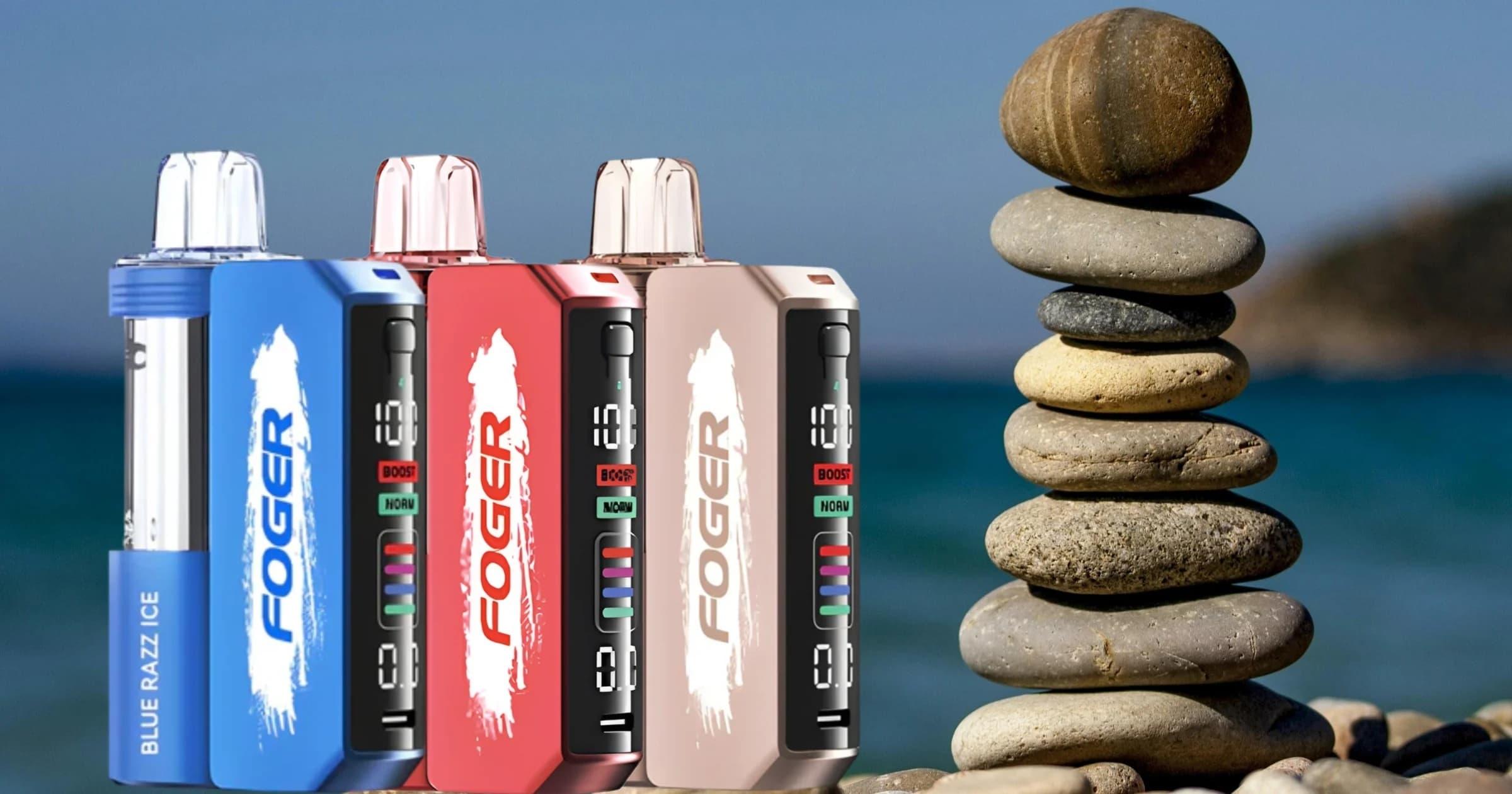
Trusted brands provide third-party lab testing showing measurements for nicotine, solvents, metals, VOCs, carbonyls, microbial contaminants and sometimes flavoring byproducts. When reviewing a COA, verify the lab accreditation status, the date and the lot number, and compare reported values with regulatory guidance or published studies. If a brand doesn’t publish test results, treat its claims with caution. Seeking the best e-cigarette includes prioritizing vendors who are transparent about testing frequency and results.
Everyday best practices to reduce exposure
- Avoid high-wattage puffing and “dry hits” — follow coil wattage recommendations.
- Replace coils and wicks regularly to limit thermal decomposition and metal release.
- Buy reputable e-liquids from manufacturers that publish ingredients and lab reports.
- Avoid DIY modifications that change coil material or wiring in unsafe ways.
- Store e-liquids out of reach of children and pets; nicotine toxicity is a hazard.
- Choose nicotine strength deliberately and reduce gradually if quitting is the goal.
Maintenance, battery safety and lifespan concerns
Battery failures and poor charging practices can cause injury. Use the charger provided by the manufacturer, avoid overcharging, and replace worn batteries. Device cleanliness matters too: residue buildup increases risk of overheating and off-flavors — cleaning contacts, replacing tanks and wicks as recommended helps preserve performance and reduces formation of unwanted chemicals.
Regulation, standards and what to look for on packaging
Regulatory frameworks vary; some regions require ingredient lists, child-resistant packaging, age verification and product registration. When choosing the best e-cigarette, prioritize products that comply with your local laws and display clear labeling, batch numbers and manufacturing information. Compliance often correlates with higher manufacturing standards and better ingredient disclosure, helping answer consumer questions about what chemicals are found in e cigarettes.
Harm reduction vs abstinence: an evidence-based perspective
For adult smokers who fully switch from combustible cigarettes to vaping, many public health organizations consider vaping less harmful than smoking but not risk-free. If your objective is to quit nicotine entirely, consult health professionals about proven cessation methods. If you aim to reduce harm by switching, choose devices and liquids that minimize formation of harmful byproducts and use them as intended to limit exposure to toxicants.
Practical checklist to choose the best e-cigarette for safer use
- Confirm device reputation and read independent reviews.
- Look for third-party lab results covering metals, carbonyls and solvents.
- Prefer devices with wattage limits aligned to coil specifications to avoid overheating.
- Choose e-liquids with full ingredient disclosures and no suspect additives like diacetyl.
- Educate yourself on coil materials and select stable alloys less prone to degradation.
- Consider nicotine strength and form (salt vs freebase) and plan a reduction strategy if desired.
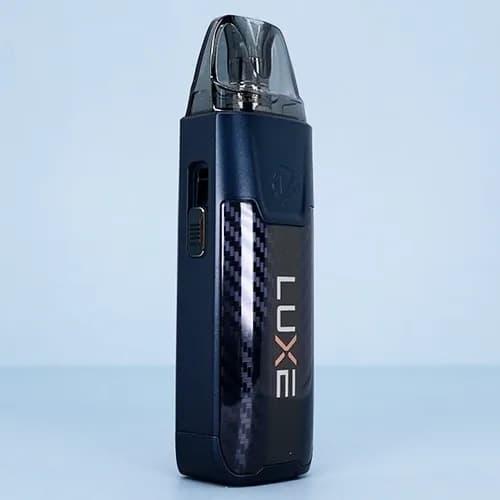
Special considerations for former smokers and newcomers
New users should select lower-power, low-nicotine devices that mimic cigarette draw (mouth-to-lung) to reduce the chance of overuse. Former smokers seeking the best e-cigarette for cessation or substitution should consult health professionals and aim for products with minimal unknown additives and clear lab testing.
Common myths and clarifications
Myth: All e-cigarettes are the same. Fact: Devices differ greatly in chemistry and safety characteristics. Myth: Food-grade flavorings are safe to inhale. Fact: Inhalation toxicology differs from ingestion toxicology; not all flavors are safe to inhale. Myth: Zero-nicotine products are risk-free. Fact: Even nicotine-free aerosols can contain degraded solvents and flavoring byproducts depending on device conditions.
Where to find reliable data: studies, regulators and consumer resources
Seek peer-reviewed studies, national public health guidance and independent lab testing reports when investigating what chemicals are found in e cigarettes. Government health agencies often publish summaries of measured toxicant levels in products; academic labs test a range of devices under different puffing regimes. Cross-referencing multiple trustworthy sources leads to better decisions than relying on promotional claims or anecdotal reviews.
Environmental and disposal considerations
Dispose of batteries and leftover e-liquid responsibly. Many parts are recyclable; used liquids should not be poured down drains due to nicotine and chemical content. Responsible disposal reduces environmental contamination and accidental poisoning risks.
Quick summary: balancing practicality and safety
Choosing the best e-cigarette involves assessing device design, materials, temperature management, and vendor transparency about ingredients and lab testing. To understand what chemicals are found in e cigarettes, review COAs, prioritize lower-power devices within recommended ranges, avoid products with suspect flavoring chemicals, and maintain equipment properly to reduce formation of harmful byproducts. While e-cigarettes can be a less-harmful alternative for smokers, they are not risk-free and require informed, cautious use.
Actionable next steps before purchase
- Request or download lab reports (COAs) for the exact batch you plan to buy.
- Choose a device with clear wattage guidance and proven safety records.
- Select e-liquids with full ingredient lists and no known inhalation hazards.
- Start with lower nicotine doses and track usage to avoid overconsumption.
- Consult a healthcare provider if your intention is to quit nicotine entirely.
By combining product literacy with conservative user practices you can reduce exposure to unwanted chemical byproducts and choose a vaping solution better aligned with harm-minimization goals. Remember that scientific understanding evolves; staying informed through trusted sources helps you adapt to new findings about what chemicals are found in e cigarettes and which devices perform best from a safety standpoint.
FAQ
A: No inhaled aerosol is completely risk-free. Even when nicotine-free, aerosols can contain thermal degradation products and trace metals. The best approach is choosing tested products and minimizing high-temperature use.
A: Change coils per manufacturer guidelines or whenever you notice off-flavors, reduced vapor or gurgling. Regular coil replacement reduces metal leaching and buildup that can increase harmful emissions.
A: Trustworthy COAs come from accredited third-party labs and include batch identifiers and clear methods. Cross-check labs and prefer brands that publish full reports rather than summarized claims.