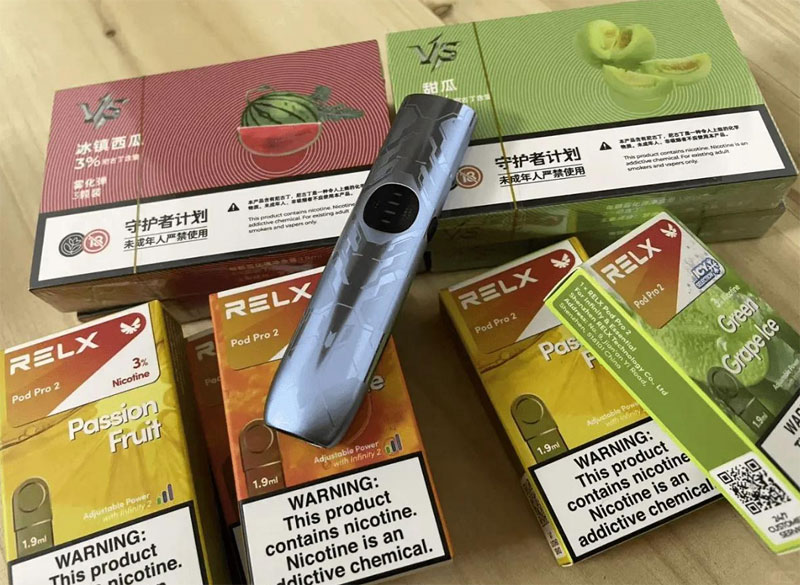
Vietnam has become a focal point in public health policy with its recent move to ban e-cigarettes, a decision that has sparked discussions worldwide. The ban, aimed at curbing youth addiction and health risks associated with vaping, reflects a growing trend in many countries trying to grapple with the popularity and the burgeoning industry of e-cigarettes. Vietnam’s e-cigarette ban is not just a standalone decision but part of a global dialogue on smoking alternatives and their impact on health. With increasing studies showing the potential hazards of vaping, governments are facing pressure to regulate the burgeoning markets effectively. This decision is aligned with Vietnam’s broader health strategy to minimize preventable diseases and promote public well-being. E-cigarettes, often perceived as a safer alternative to traditional smoking, have been under scrutiny for their potential long-term health effects. The Ministry of Health in Vietnam argues that these devices could lead to nicotine addiction among young users, who may later progress to smoking conventional cigarettes. Interest in how this ban would be enforced, and its implications raise significant concerns. Policymakers and health experts are debating the potential public health benefits versus the economical impacts on businesses related to vaping products. Studies have pointed to a connection between e-cigarettes and various respiratory ailments, emphasizing the need for more scientific data to guide policies. As lawmakers try to seal the loopholes and ensure proper implementation of this ban, questions arise regarding the role of public advocacy and the framing of health narratives that resonate with the citizens. Can the ban effectively deter the youth who may still access these products through other means? The potential loopholes in distribution channels need careful monitoring. Parallel discussions in other countries show a mix of regulatory frameworks: some emphasize stringent restrictions, while others opt for taxation and age limits. Is Vietnam setting the pace for future legislation that other nations will follow? It’s important to note that Vietnam’s history with traditional cigarette consumption has been more lenient, so the approach taken here could pave the way for more rigid cigarette regulations in future. Public health advocates suggest that continued education on the risks of vaping could complement this ban effectively, empowering citizens to make healthier choices.
-
FAQ
-
Why did Vietnam choose to ban e-cigarettes?

The primary reason is the concern over youth addiction and potential long-term health risks associated with vaping.
-
What impact might this ban have on the vaping industry in Vietnam?
The ban could significantly disrupt the local vaping market, leading companies to adapt or face closure.
-
Can other countries learn from Vietnam’s e-cigarette ban?
Yes, Vietnam’s approach offers a case study for nations deliberating similar health and regulatory measures.

Amidst these developments, Vietnam remains resolute about its public health agenda, determined to foster a healthier environment for its citizens.