In recent years, hemp vapes have gained popularity due to their potential health benefits and recreational use. As interest in these products grows, questions arise regarding their classification, particularly in states like Texas. Are hemp vapes considered e-cigarettes in Texas? The answer is essential for manufacturers, consumers, and policymakers navigating the legal landscape surrounding this burgeoning industry.
Hemp is a variety of the Cannabis sativa plant, containing lower concentrations of THC and higher levels of CBD. This unique characteristic makes it popular among users seeking cannabis’s therapeutic benefits without the psychoactive effects typically associated with marijuana. Hemp-derived products, such as vapes, have emerged as an attractive option, leading to significant discussions about their classification.
Classification of Hemp Vapes
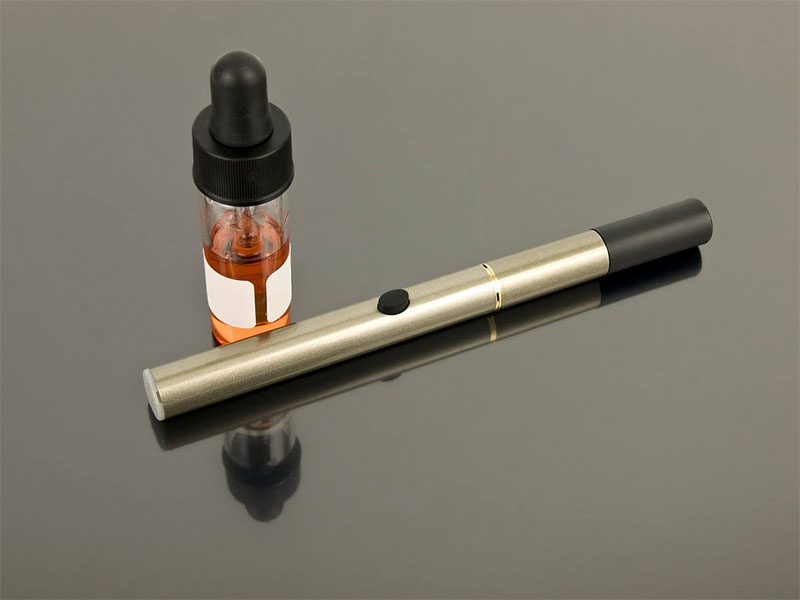
In Texas, the definition of an e-cigarette is pertinent in determining whether hemp vapes fall under this category. An e-cigarette is generally defined as any product that heats a liquid (typically containing nicotine) to create vapor for inhalation. Given this definition, one might ask if hemp vapes fit the criteria, especially since they typically heat concentrated hemp oil to produce vapor. Importantly, the presence or absence of nicotine is a key differentiator. Most hemp vapes do not contain nicotine, although some products may include it, blurring the line between these categories.
Texas Law and Hemp Product Regulation
The Texas Department of State Health Services oversees the regulation of hemp products. In 2019, Texas enacted laws permitting hemp cultivation and the sale of hemp-derived products, provided they contain less than 0.3% THC. While this legislation supports the hemp industry’s growth, it does not explicitly classify hemp vapes as e-cigarettes. This distinction matters because e-cigarette regulations can impact labeling, marketing, age restrictions, and taxation policies. Thus, it’s crucial for consumers and businesses alike to understand if their products align with e-cigarette legislation.
E-Cigarettes vs. Hemp Vapes: Understanding the Differences
E-cigarettes are often associated with nicotine consumption, aimed at curbing traditional cigarette use. Meanwhile, hemp vapes focus on delivering the benefits of CBD and other non-psychoactive cannabinoids. While the delivery mechanism (vaporizing liquid or oil) is similar, their content and intended use differ. In areas like Texas, where regulations can be stringent, these distinctions help ensure compliance and foster safe consumption practices.
While hemp vapes are popular, consumers and sellers should remain informed about the legal status and classification of these products. Texas law addresses hemp cultivation but has yet to explicitly define the status of hemp vapes as e-cigarettes. Companies should keep an eye on legislative updates and seek legal advice if there are changes or uncertainties.
Frequently Asked Questions
What are the main components of hemp vapes?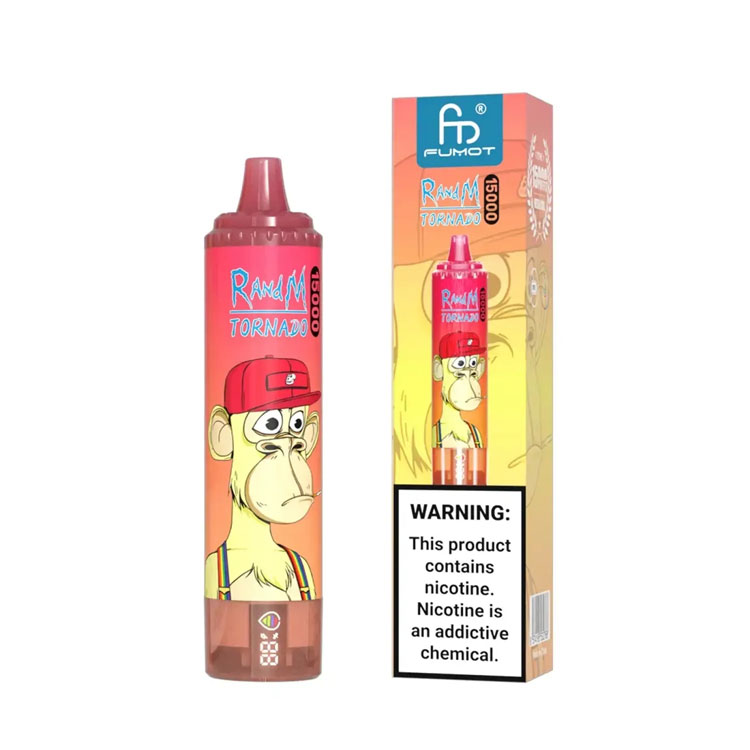
Hemp vapes typically contain concentrated CBD oil, flavoring agents, and other cannabinoids. They may or may not contain nicotine, which affects classification as e-cigarettes.
Are hemp vapes legal in Texas?
Yes, hemp products with less than 0.3% THC are legal for sale in Texas. However, the regulation of these products can vary, and it’s advisable to stay informed.
Do hemp vapes require the same regulations as e-cigarettes?
Not necessarily. While similar in function, the lack of nicotine in many hemp vapes means they may not be subject to specific e-cigarette regulations, depending on state legislation.