Battery and Atomizer: Powering the Device
The battery is an essential component, ensuring that the e-cig generates enough heat to vaporize the e-liquid. Most e-cigarettes use lithium-ion batteries, similar to those found in mobile phones, due to their efficiency and rechargeability. Attached to the battery is the atomizer, a small heating element that transforms the liquid into vapor for inhalation.
Cartridge and Tank: Holding the Liquid
E-cigarettes come with either pre-filled cartridges or refillable tanks. Pre-filled cartridges are disposable after use, providing convenience for users who prefer not to fuss with refilling. Tanks, alternatively, offer more flexibility, enabling users to choose from a variety of e-liquids and flavors.
The primary focus of what e-cigarettes contain lies in the e-liquid. E-liquids typically consist of four key ingredients: nicotine, flavorings, propylene glycol (PG), and vegetable glycerin (VG). Understanding each of these substances reveals much about e-cigarettes and their impact. Nicotine: Nicotine is an addictive substance commonly associated with traditional cigarettes. In e-cigarettes, it allows users to satisfy their cravings without inhaling the harmful substances found in tobacco smoke. Nicotine levels can vary widely in e-liquids, ranging from high concentrations to zero, for those who prefer nicotine-free vaping.
Flavorings: E-cigarettes offer a wide range of flavors, tempting users with options from classic tobacco to exotic fruit blends. These flavorings are food-grade additives, although controversy remains regarding their safety for inhalation. Propylene Glycol and Vegetable Glycerin: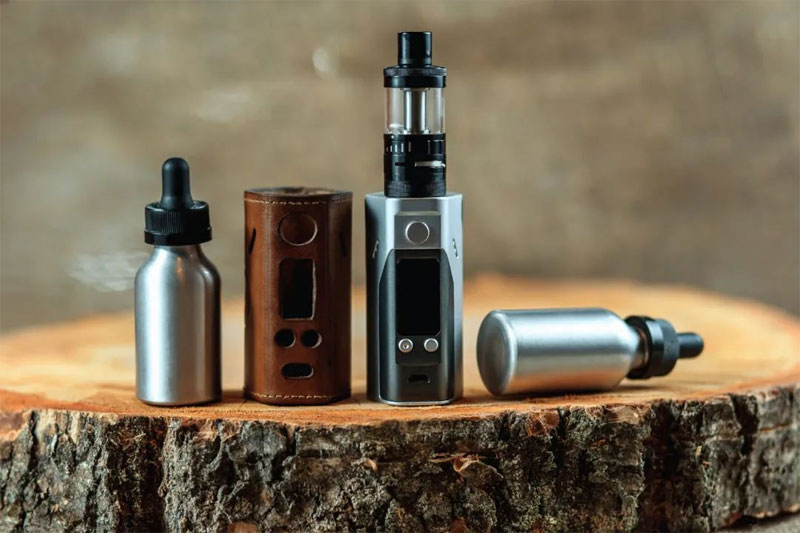 PG and VG serve as the base liquids in e-cigarettes. They are responsible for producing the vapor and delivering flavor. Propylene glycol is thinner, resulting in a stronger throat hit, often mimicking the sensation of smoking tobacco. Vegetable glycerin is thicker and provides larger vapor clouds for a smoother inhale. The ratio of PG to VG can drastically alter the vaping experience, catering to personal preferences.
Considerations and Concerns: Despite the appealing features of e-cigarettes, potential health risks should be acknowledged. Although e-cigarettes are considered less harmful than traditional cigarettes, the long-term effects remain uncertain. It’s crucial for users to choose reputable brands and stay informed about ongoing research.
Here are a few frequently asked questions regarding e-cigarettes and their contents:
- Do e-cigarettes contain tobacco? No, e-cigarettes do not contain tobacco. They use nicotine derived from tobacco, but the absence of combustion means e-cigarettes don’t have the harmful tar found in traditional cigarettes.
- Are e-cigarette flavorings safe? While e-cigarette flavorings are generally made from food-grade ingredients, their safety for inhalation is still being studied. It’s important to consult recent research to understand the possible risks.
- Can e-liquids be customized? Yes, users can often mix and match e-liquids to create a personalized flavor and nicotine strength, depending on the compatibility of their e-cigarette tank.

In conclusion, understanding what do e cigarettes contain is vital for making informed choices about using these devices. While they offer an alternative to smoking traditional cigarettes, users should consider both the benefits and potential risks associated with their use. As ongoing research continues to unfold, remaining up-to-date with new findings is key to responsible and safe vaping.