Understanding the Regulatory Landscape of E-Cigarettes in South Korea
The use of e-cigarettes has grown significantly across the globe, and South Korea is no exception. As consumers increasingly look to alternatives to traditional smoking, understanding the legal framework surrounding these products in different countries is essential. South Korea’s e-cigarette legislation is complex and varies depending on factors such as product type and usage.
E-cigarettes, often seen as a healthier alternative to traditional tobacco products, have sparked both support and controversy. In South Korea, lawmakers have implemented several restrictions to manage their use and prevent health risks, aligning with global concern over these products. The laws govern the marketing, distribution, and consumption of e-cigarettes, aiming to control their impact on public health.
Regulations Governing Sales and Marketing
The South Korean government has set stringent rules regarding the sale and advertising of e-cigarettes. Sales are restricted to adults of legal age, typically 19 years and older, reflecting the country’s approach to minimizing youth exposure to nicotine. Advertising e-cigarettes is heavily regulated, with strict guidelines to ensure that companies do not portray them as healthier alternatives without adequate substantiation.
Understanding these regulations is crucial for businesses involved in e-cigarette sales in South Korea. Violating these laws can result in hefty fines and penalties, thus compliance is imperative.
Taxation and Import Regulations
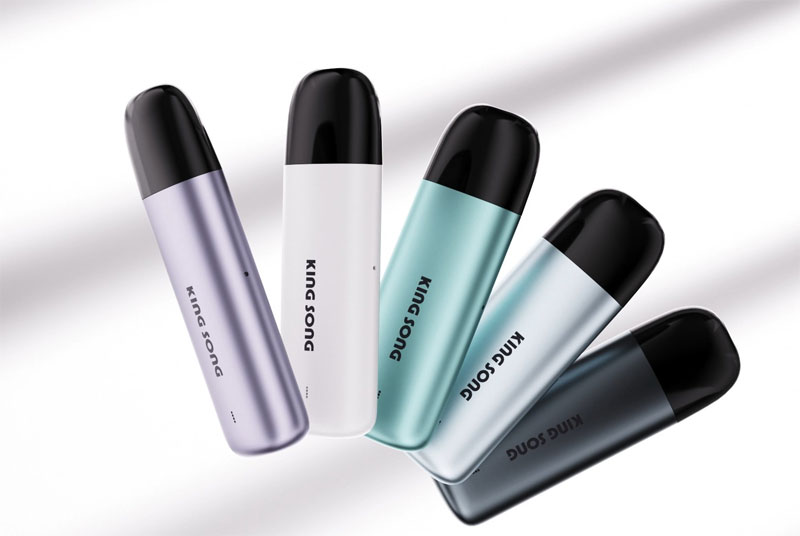
E-cigarettes in South Korea are subject to various taxations, similar to traditional tobacco products. A sin tax is imposed to deter consumption through higher costs, and there are specific import duties that affect how businesses source their products. Companies importing e-cigarettes must navigate customs regulations carefully, ensuring that all products meet the necessary health and safety standards.
Public Health Concerns and Government Oversight
The South Korean government has expressed concerns over the health implications of e-cigarette usage. Public health campaigns aim to educate citizens on potential risks, including addiction and long-term health effects. The government continues to conduct research and monitor developments in the e-cigarette sector to update regulations effectively.
This vigilance manifests in periodic reviews of existing laws and potential enhancements to safeguard consumers further. The focus remains on preventing youth uptake and ensuring that adult users are informed of the risks.

Frequently Asked Questions
Q: Are flavored e-liquids banned in South Korea?
A: While flavored e-liquids are not entirely banned, there are restrictions on specific flavors that appeal to younger demographics to prevent youth usage.
Q: How does South Korea’s smoking prevalence compare internationally?
A: South Korea has a high smoking prevalence compared to many countries, prompting strict tobacco control measures and e-cigarette regulations.
Q: What penalties exist for violating e-cigarette laws?
A: Violations can result in fines, product seizures, or suspension of business licenses, depending on the severity and nature of the breach.