Traveling Smart with Your Vape: Practical Guidance from IBVape Vape Shop
If you’re planning a trip and you vape, one of the top questions that comes up is can you take e-cigarettes on a plane? The short answer is yes, with rules and restrictions that are important to follow. This comprehensive travel guide explains what airport security and airlines expect, how to pack devices and batteries safely, what the Transportation Security Administration (TSA) really means when they outline battery rules, and tips from IBVape Vape Shop to help you travel without surprises. Whether you carry a pod device, a box mod, spare batteries, or e-liquid bottles, this resource is organized to help you prepare confidently for domestic and international flights.
Overview: Why rules matter for vaping devices
Lithium batteries power most modern vapes, and they present a fire risk if damaged, improperly stored, or crushed in checked luggage. For this reason, aviation regulators allow e-cigarettes in cabins but restrict how batteries and power banks are transported. Knowing these rules not only keeps you compliant but also protects others on board. In many cases, following the guidance also reduces the chance of delays or confiscation at security checkpoints. Below we break down the essentials: packing devices, spare battery limits, carrier policies, liquid limits, and best practices that frequent flyers and first-time travelers alike should adopt.
Carry-on vs checked baggage: Where your vape belongs
Almost universally, vapes, e-cigarettes, mods, and spare lithium batteries must be carried in carry-on baggage. Placing devices or spare batteries in checked luggage is often prohibited or discouraged by both the TSA and international aviation authorities because fires in the cargo hold are far more dangerous and harder to manage. The simple rule to remember is: keep devices with batteries in the cabin and never in checked baggage unless you have an airline-specific exception. Stow devices in a protective case, pack spare batteries in battery cases or original retail packaging, and ensure tanks are empty or tightly sealed.
Battery limits and the TSA explanation
The TSA and most airlines follow the International Civil Aviation Organization (ICAO) guidance on lithium batteries. Key points include:
- Installed batteries: Devices with installed batteries (like most pen-style e-cigarettes or vape pens) are allowed in carry-on baggage.
- Spare lithium-ion batteries: Spare batteries typically must be carried in carry-on baggage only.
- Watt-hour (Wh) limits: Most consumer vape batteries fall below the 100 Wh limit, which is generally allowed without airline approval. For batteries between 100 Wh and 160 Wh (rare in consumer vapes), airline approval is often required and quantity limits apply.
- Terminal protection: Battery terminals should be insulated to prevent short circuits. Use original packaging, battery cases, or cover terminals with tape.
Understanding watt-hours helps: Wh = (mAh × V) / 1000. For example, a 2500 mAh battery at 3.7 V equals 9.25 Wh, well below the 100 Wh threshold. Still, always check battery ratings on your device and spare cells.
How to pack your vape for a flight
Follow this practical checklist to avoid problems at security:
- Place all e-cigarette devices and spare batteries in your carry-on hand luggage.
- Turn devices completely off and, if possible, remove batteries from the device and store them in protective cases.
- Keep e-liquid bottles within the 3.4 oz (100 ml) carry-on liquid limit if you carry them in your hand luggage; use travel-sized bottles and a clear quart-sized bag as required by most airports.
- Bring proof of battery specifications if prompted — take a photo or keep the original packaging/labels with watt-hour information.
- Pack a small hard-shell case for devices to prevent accidental activation or damage in transit.
Tips for international travel and differing regulations
Rules vary by country and airline. Some carriers impose stricter limits on battery size or charge level, and some destinations have tighter restrictions on nicotine-containing e-liquids. Always:
- Check both the departure and arrival countries’ regulations for e-cigarettes and nicotine products.
- Review the specific airline’s policy in advance — low-cost carriers and international airlines sometimes have stricter rules.
- Research customs allowances and declare e-liquids if required to avoid fines or confiscation.
Airport security screening and likely questions
At security checkpoints, screening officers may ask you to remove devices from your bag for separate inspection. Expect questions about battery capacity and whether tanks are filled. To speed the process, keep devices powered down and organized in a dedicated pouch. Security personnel are trained to look for prohibited items and also for potential fire hazards, so cooperation and transparency help avoid delays.
Common mistakes travelers make
- Putting devices or spare batteries in checked luggage: This can lead to confiscation or worse.
- Carrying large external batteries or modified cells without airline approval.
- Not declaring or incorrectly packing e-liquids exceeding carry-on limits.
- Failing to insulate spare battery terminals, which increases the risk of a short circuit.
What about mods, rebuildables, and large setups?
Advanced or custom devices often use higher-capacity removable cells. These can be allowed in carry-on if they meet watt-hour limits and are stored safely. However, professional setups with multiple high-capacity batteries may require airline approval or be disallowed. If you use rebuildables (RDA/RTA), consider whether you need to travel with extra coils, tools, or liquids — many tools are restricted through security, so pack tools like wire cutters in checked luggage only if allowed and if you plan ahead.
Power banks and USB charging devices
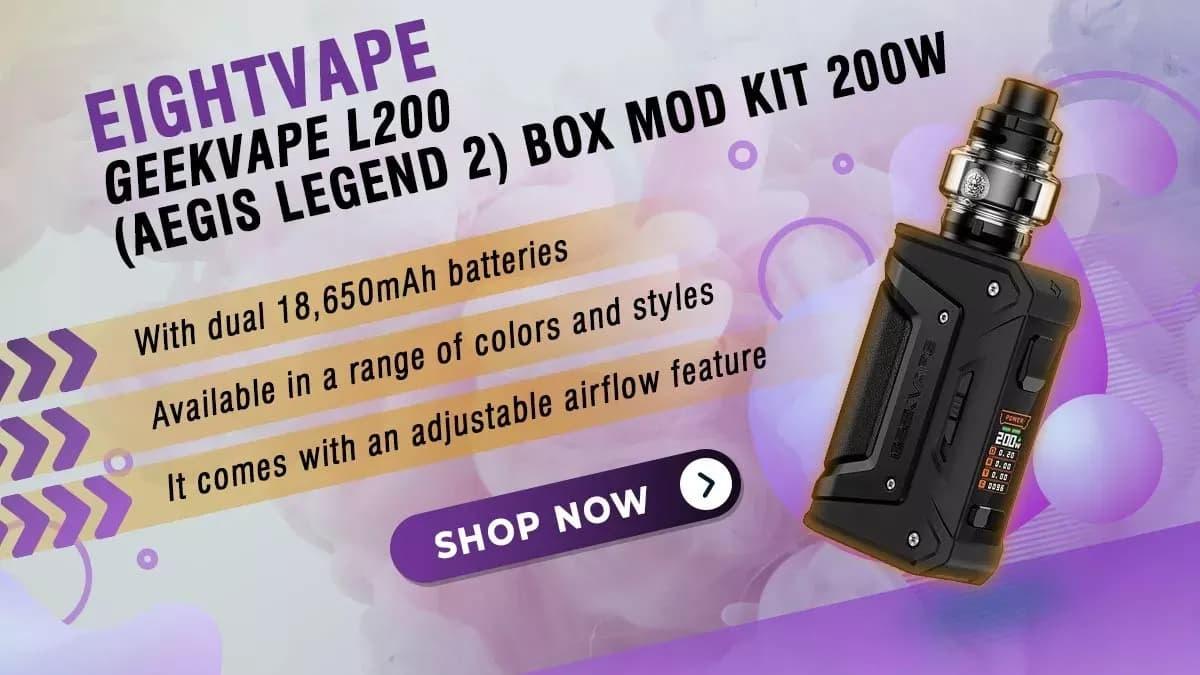
Power banks are common travel companions but are strictly regulated. Most airlines require power banks to be in carry-on baggage, and there are size limits measured in watt-hours. Often, power banks under 100 Wh are permitted; those 100–160 Wh may need airline approval; above 160 Wh are usually prohibited. Do not attempt to charge devices during the flight in a way that bypasses airline rules. Some carriers prohibit charging while airborne for safety reasons.
Liquid limits, nicotine concentration, and international nuances
The familiar 3.4 oz (100 ml) rule for carry-on liquids applies to e-liquids as well. That means you can carry smaller bottles of e-liquid in a transparent quart-sized bag. Some countries restrict maximum nicotine concentration or completely ban nicotine liquids — check local law before travel. Some destinations require labeling or product declarations, and leaving nicotine liquids at home or shipping them to your destination via compliant services might save headaches.
What to do if your device is confiscated
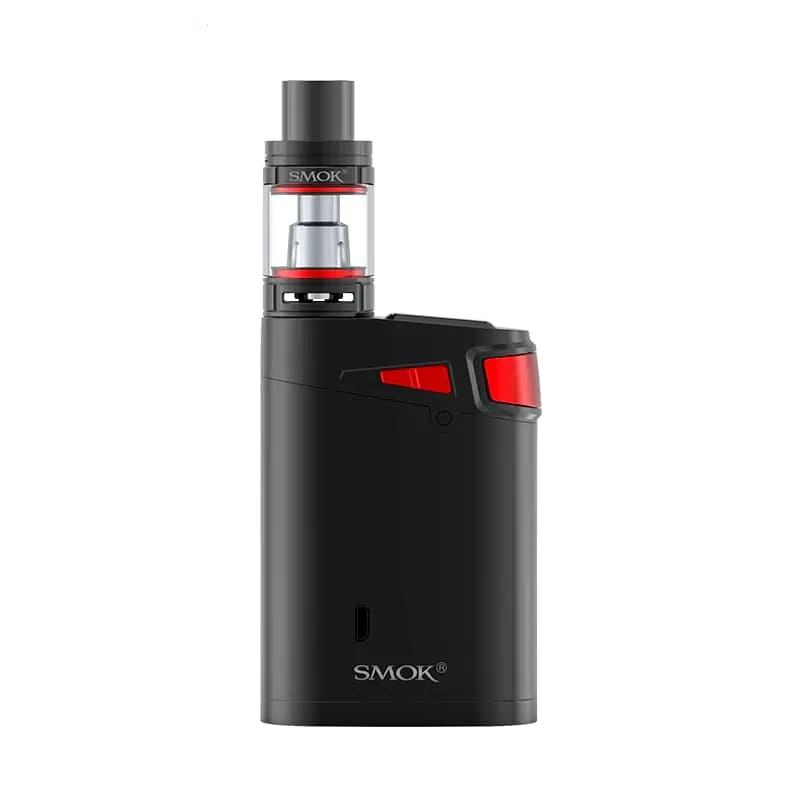
If security or airline staff confiscate a device or battery, remain calm and ask for an explanation or a report. Confiscations usually happen when items are packed incorrectly or pose a safety risk. For lost or confiscated items, ask about the appeals process, and if necessary seek assistance from customer service at the airport. Keeping digital records of purchase (for example an IBVape Vape Shop receipt or product page) can help prove device specifications or ownership, especially when dealing with customs.
Practical scenarios and sample packing setups
Here are three common traveler setups and how to pack them safely:
- Minimalist vaper: One pod device with an internal battery and a 10 ml bottle of nicotine e-liquid — pack the device in hand luggage, keep e-liquid within 100 ml limit in a clear bag, and ensure device is powered off.
- Moderate vaper: Single mod with one removable battery and three small spare batteries — carry the mod and all spare batteries in your carry-on, use battery cases for spare cells, and keep e-liquid bottles under 100 ml each.
- Advanced vaper: Dual-battery mod and several spare high-capacity cells — confirm battery Wh ratings, check airline policy, consider shipping extra cells via a compliant service if needed, and keep all batteries insulated and in your carry-on.
Preparing for security interviews
Security agents may ask concise questions: Are the batteries installed? Are tanks filled? What is the battery capacity? Answer briefly and show labels or photos if asked. Being cooperative and prepared often resolves concerns quickly. It’s also helpful to mention you purchased components from a reputable retailer like IBVape Vape Shop if you need to verify product specs.
International carriers and special airline policies
Always check the carrier’s rules. Some airlines require the battery to be at a specific charge level (for example under 30%), while others disallow certain types of devices altogether. Low-cost carriers or specific regions may require prior notification. If in doubt, contact the airline before your flight and request written confirmation of any special allowances.
Shipping batteries and devices instead of carrying them
If you cannot meet an airline’s rules, shipping devices ahead via a ground courier may be an option, but shipping lithium batteries has its own regulations and may require specific packaging and labeling. Some shipping services refuse lithium-ion shipments. Retailers like IBVape Vape Shop can sometimes offer shipping advice, but always confirm with the courier and check destination country laws.
On-board behavior and respecting no-smoking/no-vaping rules
Even if you legally carry an e-cigarette onto a plane, vaping during a flight is prohibited on virtually all commercial flights. Tampering with smoke detectors or attempting to vape in a lavatory can lead to severe penalties, fines, or arrest. Always abide by cabin crew instructions and do not use vaping devices onboard.
Health and safety considerations
Keep devices clean and dry, store e-liquids upright and sealed, and avoid extreme temperatures. Batteries exposed to heat or crushed under other items can fail. Carry a small spill kit (paper towel and resealable bag) to manage any accidental leaks.
Checklist before you go — quick reference
- Confirm airline and destination rules for e-cigarettes and nicotine liquids.
- Place devices and spare batteries in carry-on only.
- Insulate battery terminals or use protective cases.
- Keep e-liquids within 100 ml containers and in a clear bag.
- Bring charging cables but avoid charging during takeoff/landing if instructed.
- Carry purchase receipts or product spec photos for devices and batteries.
Where to buy travel-friendly supplies
Reputable retailers such as IBVape Vape Shop offer travel cases, battery wraps, and travel-sized e-liquid bottles suitable for air travel. When purchasing batteries, choose authentic cells from recognized manufacturers and ask retailers about recommended storage and transport practices. Using quality components reduces the risk of failure and improves compatibility with airline regulations.
Summary: The safest, most compliant approach
To summarize: yes, can you take e-cigarettes on a plane — but do so responsibly. Carry devices and spare batteries in your carry-on, keep e-liquids within allowed volumes, insulate or case spare cells, and verify airline and international rules before traveling. Avoid attempting to vape on board, declare products if required, and keep proof of specifications handy. By following these practices you minimize disruptions and travel with confidence.
FAQ
Q: Can I check my vape in checked luggage?
A: Generally no — devices with lithium batteries and spare cells should stay in carry-on baggage. Checked baggage is subject to stricter rules due to fire risk in the cargo hold.
Q: How many spare batteries can I bring?
A: For typical consumer batteries under 100 Wh, a reasonable number is allowed, but airlines may set quantitative limits. Always check the carrier’s policy. Insulate each battery and pack them in protective cases.
Q: Are nicotine salts or concentrated e-liquids restricted?
A: E-liquids must adhere to liquid carry-on limits (usually 100 ml per container) and some countries restrict nicotine strength or the sale/import of nicotine-containing liquids. Research local laws before departure.
Travel safely, stay informed, and when in doubt consult official airline and airport resources or trusted vendors like IBVape Vape Shop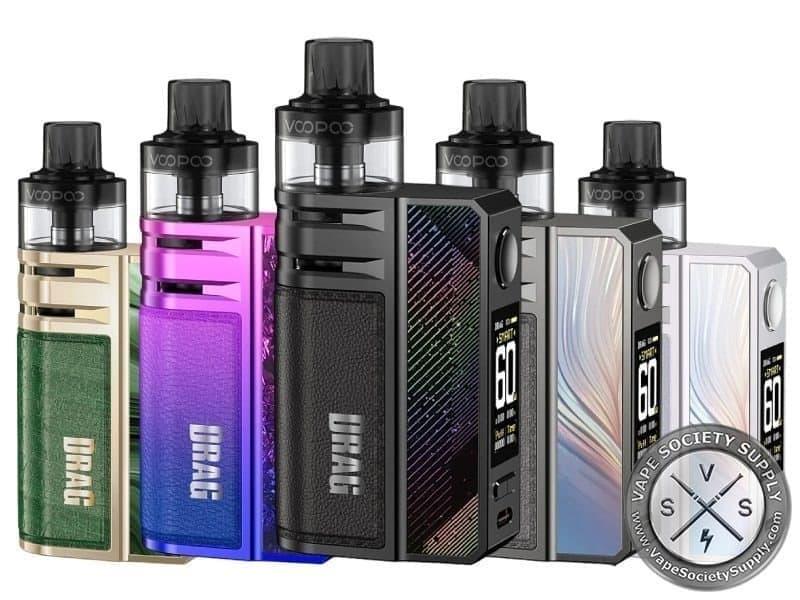 for up-to-date product guidance and travel accessories designed to meet aviation safety requirements.