Practical guidance for choosing among e-cigarette brands while balancing consideration of the risks and benefits of e-cigarettes
This consumer-oriented guide explores how to compare and select reputable e-cigarette brands with clear attention to safety, quality, practical performance and the public health context. It is written for adult consumers, healthcare professionals who counsel smokers, and curious readers who want an evidence-informed approach to choosing devices and products without relying on sensationalized headlines. The goal is to provide a structured decision framework so that readers can evaluate options and make choices consistent with personal priorities and local regulations.
Why brand choice matters
Choosing the right e-cigarette brands affects product consistency, safety controls, customer support, and the likelihood that a device will deliver the expected nicotine level and experience. Strong brands are more likely to offer third-party lab testing for e-liquids, transparent ingredient lists, robust battery safety features, and warranties or clear replacement policies. Weak or anonymous brands might cut corners, use untested components, or lack clear labeling which raises the risks of defects, unexpected chemicals, or unreliable nicotine delivery.
Key considerations when comparing e-cigarette brands
- Safety and regulatory compliance: Look for brands that comply with local regulations, provide compliance documents, or participate in voluntary safety programs. Devices with overcharge protection, short-circuit protection, and tested batteries reduce risk of malfunction.
- Third-party testing: Preferred manufacturers publish lab reports for e-liquids and device materials. Independent testing helps confirm nicotine content, absence of contaminants, and accuracy of labeling.
- Ingredient transparency: Brands that publish full ingredient lists for e-liquids (VG/PG ratios, nicotine type, food-grade flavorings) give consumers more control and less uncertainty.
- Device quality and ergonomics: Battery life, coil design, fill system, leak resistance, and feel in the hand all influence satisfaction. Reputable brands provide useful spec sheets and user guides.
- Warranty and customer service: Good brands stand behind products with warranties, responsive customer support, and accessible replacement parts.
- Reputation and reviews: Longstanding brands with positive community feedback are often safer bets. Verify independent reviews, not only vendor testimonials.
- Price and value: Cost matters, but the cheapest options can be the riskiest. Consider total cost of ownership: coils, pods, e-liquid, and device lifespan.
- Availability of nicotine strengths and flavors: For adults using e-cigarettes to reduce cigarette consumption, a range of nicotine concentrations can help manage cravings. Check for flavor options that suit taste while following local flavor regulations.
How to weigh risks versus benefits
When evaluating e-cigarette brands, consumers must consider the broad theme of balancing consideration of the risks and benefits of e-cigarettes. On the benefit side, many adult smokers experience reduced exposure to combustion products when switching completely to non-combustible nicotine delivery systems. On the risk side, there are uncertainties including long-term health outcomes, nicotine dependence potential, and youth appeal. A rational brand choice minimizes device and product risks while maximizing the likelihood the product meets the user’s goals (e.g., smoking cessation or harm reduction).
Risk-reduction checklist
- Prefer brands that offer lab certificates (COA) for e-liquids and components.
- Avoid brands without clear contact information or transparent manufacturing locations.
- Inspect packaging for safety warnings, child-resistant closures, and manufacturing dates.
- Choose devices with established safety features and documented battery protection.
- Start with lower nicotine strengths if you are a non-smoker; if you are an adult smoker switching, choose a nicotine strength that adequately controls cravings.
Device types and brand specialization
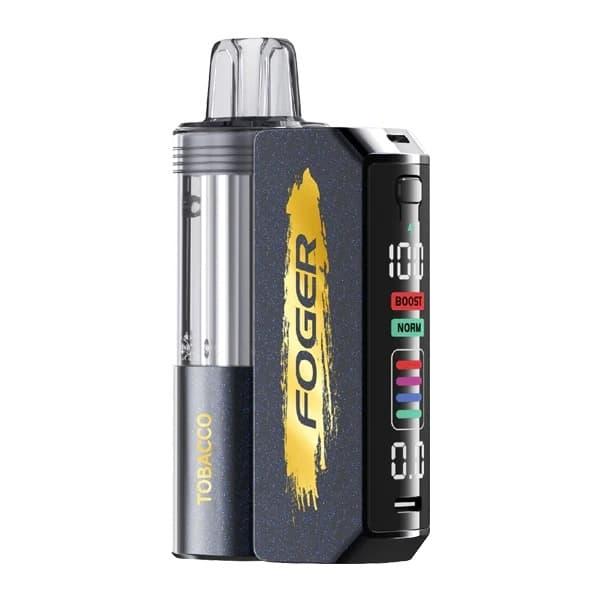
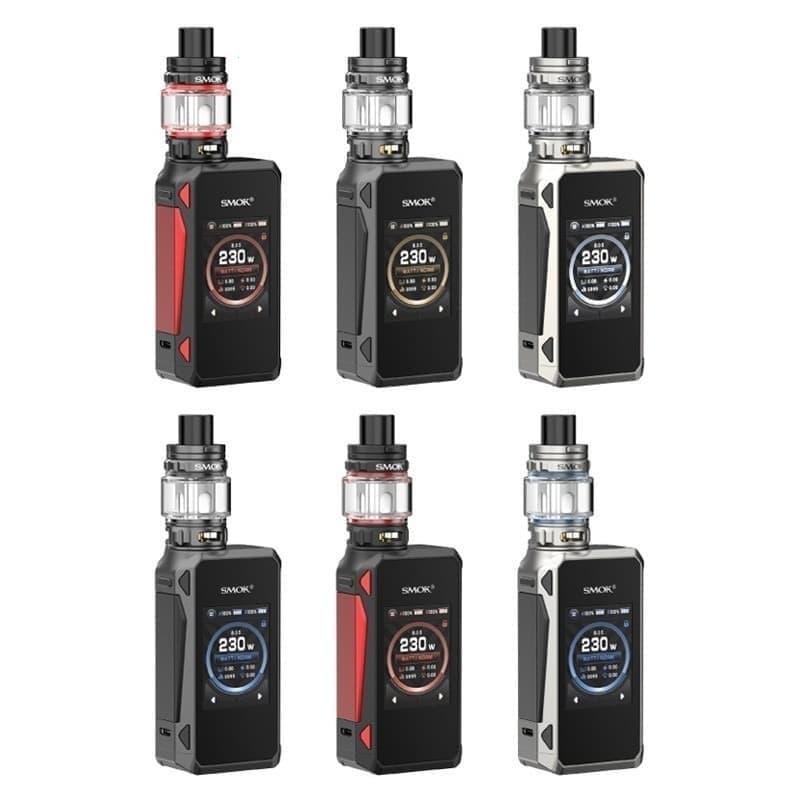
Different manufacturers specialize in different categories: closed pod systems, refillable pod kits, mod devices, and disposables. High-quality brands often focus on one or two categories and refine product lines. For example, some brands are known for robust refillable devices favored by experienced vapers, while others dominate the disposable or pod-based market with user-friendly, lower-skill options. Consider the intended use and choose brands with a track record in that product class.
Information sources and verifying claims
Trust but verify: brand marketing can exaggerate benefits or omit risks. Rely on objective sources: peer-reviewed studies, regulatory announcements, independent testing labs, and user communities that document long-term performance. Manufacturer claims about “pharmaceutical-grade” ingredients or “medical-grade” metals should be backed by verifiable documentation. If a brand provides clear COAs and detailed technical data sheets, treat that as a positive signal.
Comparing price and total cost
Upfront device cost is only part of the calculation. Evaluate ongoing costs for consumables: coils, pod replacements, e-liquid bottles, and batteries. Some brands sell inexpensive starter devices but have proprietary consumables that are costly long term. Conversely, open systems can have lower per-use costs but require more user maintenance and knowledge. The comparison should weigh initial budget, expected frequency of use, and convenience.
User experience and behavioral fit
Real-world success depends on fit between device and user habits. Nicotine delivery profile, throat hit, flavor profile, and ease of use are all brand-specific. If the goal is to stop smoking, pick a brand whose products match the nicotine strength and sensory experience you need. Trial packs, starter kits, and return policies make it easier to find the right match without committing to a single brand long-term.
Safety practices and brand responsibilities
Brands that provide robust user education about proper charging, storage, and coil maintenance reduce misuse-related risks. Good manufacturers include clear manuals, cautionary statements, and recommended accessory lists. Evaluate brands on how proactively they communicate safety guidance and issue recalls or firmware updates when necessary.
Regulatory and ethical considerations
Many governments regulate labeling, nicotine limits, and sales age. Choose brands that comply with relevant laws and avoid those that appear to circumvent age restrictions or offer products tailored to minors. Ethical brands often publish corporate responsibility policies, avoid youth-oriented marketing, and support responsible sales channels.
Practical buying tips
- Buy from authorized retailers or direct from verified brand websites.
- Keep receipts and warranty documentation; register products if the brand offers registration benefits.
- Inspect packaging and seals before first use; don’t use damaged devices.
- Start with a nicotine level that matches your usual intake; adjust as you learn how the device performs.
- Maintain devices per manufacturer instructions to maximize safety and lifespan.
Case examples: what to look for in a brand dossier
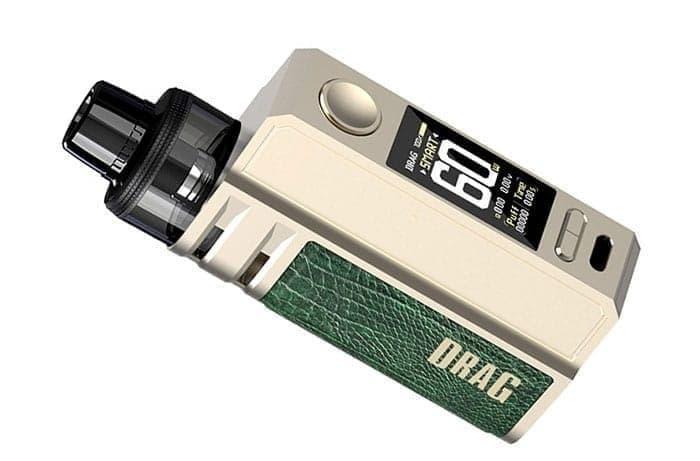
When evaluating a specific company, compile a short dossier: company history, manufacturing locations, lab testing practices, product recall history, warranty terms, user manual clarity, and third-party reviews. Weight factors differently depending on your priorities: if your top priority is safety, lab testing and battery protection are weighted higher; if flavor experience is paramount, sample variety and review consensus carry more weight.
Comparative framework for shoppers
Create a simple scoring matrix with categories such as Safety (25%), Transparency (20%), Performance (20%), Cost (15%), and Support/Warranty (20%). Score each brand on these dimensions and use the weighted total to guide your choice. This structured approach helps remove emotional bias and focuses on verifiable attributes.
On marketing claims and distinguishing hype from substance
Marketing often emphasizes novelty, lifestyle imagery, and aspirational language. Distinguish these from substantive claims: Is the nicotine content independently verified? Are materials tested for harmful contaminants? Does the company have a history of product recalls or customer complaints? Consumers should prioritize verifiable evidence over glossy campaigns.
How e-cigarette brands can support harm reduction goals
For adult smokers seeking less harmful alternatives to combustible cigarettes, some brands design products specifically to mimic nicotine delivery and throat sensation to facilitate complete switching. Brands that collaborate with researchers, participate in post-market surveillance, and enable data sharing with independent scientists contribute to a safer marketplace. When selecting a brand for harm reduction, prefer manufacturers that support research and transparent reporting.
Special considerations for specific groups
Pregnant people, adolescents, and never-smokers should avoid nicotine products. For adult smokers using e-cigarettes to quit, brands that offer structured cessation support, clear dosing guidance, and options for gradually reducing nicotine strength can be especially helpful. Healthcare providers should be consulted for personalized advice.
Environmental and disposal concerns
Disposable products increase waste; some brands offer recycling programs or trade-in incentives for used devices and batteries. When possible, choose brands with clear take-back programs or that design products for disassembly and recycling. Proper battery disposal is critical to avoid fire risks and environmental harm.
Where to find reliable product information
Use the following sources to verify brand claims: independent lab COAs, consumer protection agencies, reputable vaping community forums, university research papers, and regulatory agency databases. Cross-check multiple sources before making purchase decisions.
Checklist before purchase
Before buying, confirm: the brand lists manufacturing details, COAs exist, the retailer is authorized, replacement parts are available, warranty terms are clear, and safety instructions are included. This checklist reduces the chance of selecting a low-quality or unsafe product.
Using the URL and trusted listings
For curated lists and further reading, some curated resources provide categorized brand overviews and testing results. Consider bookmarking authoritative directories such as the vendor’s official pages or independent testing aggregators. Example: an authoritative product page like https://heisenberg-kw.com/e-cigarette-brands is useful for direct brand information. For SEO relevance, note that searching for e-cigarette brands alongside phrases about balancing consideration of the risks and benefits of e-cigarettes will surface more analytical articles rather than pure marketing materials.
Practical maintenance tips after purchase
Follow manufacturer guidance for charging cycles, coil replacement intervals, e-liquid storage and cleaning. Regular maintenance prolongs device life and keeps performance consistent. Keep spare parts on hand and avoid using non-recommended chargers or batteries.
Red flags to avoid
- No contact or unclear company information.
- Absence of batch numbers, manufacturing dates, or COAs.
- Unrealistic health claims or promises of guaranteed cessation.
- Extremely low prices combined with proprietary consumables that are costly.
- Poorly rated customer support or unresolved safety complaints.
Summary: an evidence-based approach
Reliable decision-making involves balancing immediate benefits against potential risks. Prioritize brands with transparent testing, good customer service, safety features, and a corporate commitment to compliance and consumer education. Remember the broader context: balancing consideration of the risks and benefits of e-cigarettes is a dynamic process that depends on evolving science, regulatory changes, and personal goals.
Quick action plan
1) Define your objective (e.g., harm reduction, recreational use). 2) Shortlist three reputable brands in the relevant device category. 3) Compare using the scoring matrix described above. 4) Buy from an authorized seller, test in small quantities, and monitor performance and side effects. 5) Re-evaluate after one month and adjust as needed.
SEO note for researchers and site owners
From a content optimization standpoint, repeating target keywords like e-cigarette brands and the broader phrase balancing consideration of the risks and benefits of e-cigarettes within meaningful, informative context helps search engines connect queries to high-quality guidance. Use semantic variations, long-form content, and authoritative links (for example, linking to pages such as https://heisenberg-kw.com/e-cigarette-brands) to improve topical relevance while avoiding keyword stuffing. Maintain user focus—quality and readability trump raw keyword frequency.
For convenience, this guide avoids repeating the original article heading verbatim while preserving the core intent: selecting manufacturers and products responsibly. Consumers should stay updated on national and local regulations and consult health professionals for tailored advice.
Additional resources and reading
Consider authoritative health agencies, peer-reviewed journals on tobacco control, and independent testing labs for further information. Community discussion forums may provide experiential insights but verify any safety recommendations with official sources.
Quick checklist recap: Transparency, third-party testing, safety features, warranty, support, and alignment with your nicotine needs.
Remember: choosing a brand is about reducing avoidable risks while achieving your personal goals.
FAQ
Q: Are all e-cigarette brands equally safe?
A: No. Safety varies by manufacturer, device design, battery quality, e-liquid ingredients, and how the product is used. Favor brands with third-party testing, clear labeling, and documented safety features.
Q: How important is the URL or brand website like https://heisenberg-kw.com/e-cigarette-brands when researching?
A: Official brand websites are useful starting points for specification sheets and warranty information, but independent verification through lab reports and third-party reviews is essential to confirm claims.
Q: What does it mean to balance the risks and benefits?
A: It means weighing potential harm reduction for adult smokers against uncertainties like long-term health outcomes and addiction potential, then selecting brands and products that minimize avoidable risks while supporting your goals.
e-cigarette brands||https://heisenberg-kw.com/e-cigarette-brands|balancing consideration of the risks and benefits of e-cigarettes