Understanding Nicotine’s Role
Nicotine is the primary addictive component found in both traditional cigarettes and e-cigarettes. When inhaled, nicotine rapidly reaches the brain, releasing dopamine—a neurotransmitter associated with pleasure and addiction. This quick release and the subsequent pleasurable sensation reinforce the habit, making it challenging for users to quit.
E-cigarettes often come in various flavors and nicotine levels, providing users with choices that can impact their level of addiction.
Flavor Varieties and Addiction
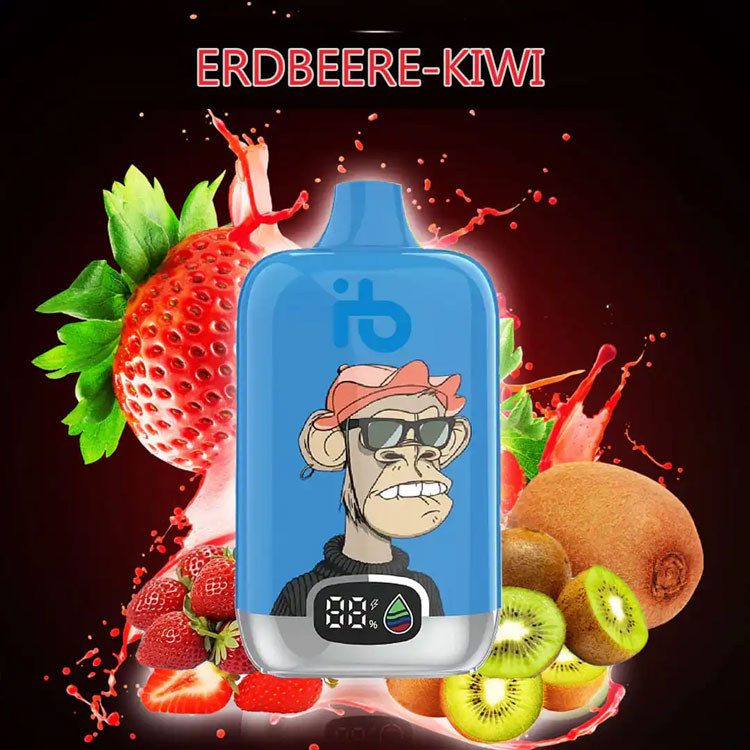
The variety of flavors available in e-cigarettes appeals greatly to young users, who may not have otherwise engaged in nicotine consumption. The fruity and candy-like flavors often mask the harshness of nicotine, making it more palatable for first-time users. This phenomenon raises concerns about the potential for increased nicotine addiction among young adults and even teenagers.
Social Influences and E-Cigarette Use
Social environments significantly impact an individual’s likelihood to start using e-cigarettes. Peer pressure and seeing others vape can encourage initiation and continued use, contributing to the addictive cycle. The perception of e-cigarettes as modern and trendy often overshadows their addictive potential, leading to more widespread use.
Moreover, advertising plays a critical role in how e-cigarettes are perceived, often downplaying the risks while highlighting the lifestyle aspect.
Unlike traditional smoking, vaping has a tech-savvy image that attracts a younger demographic, who may initially be unaware of the long-term addiction potential.
The Addiction Cycle
 Once habituated to nicotine through e-cigarettes, users may experience withdrawal symptoms when they attempt to stop. These can include irritability, anxiety, and strong cravings, which compel the user to continue using. Over time, the need for nicotine can increase, with users often consuming higher concentrations to experience the same effects, thus perpetuating the cycle of addiction.
FAQ and Insights
- Is nicotine the only addictive substance in e-cigarettes?
 While nicotine is the primary addictive agent, other compounds found in various flavors may enhance the addiction potential.
 - Can vaping lead to traditional smoking? Studies suggest a correlation between e-cigarette use and transitioning to traditional smoking, especially among younger users.
- Are nicotine-free e-cigarettes less addictive? Nicotine-free options exist, but the habitual aspect of vaping can still lead to psychological addiction.