In Japan, the legal status of e-cigarettes has been a topic of considerable interest, especially among those looking to switch from traditional smoking methods. It’s essential to understand that e-cigarettes, also referred to as electronic cigarettes or vapes, are subject to different regulations when compared to many Western countries. This distinct legal environment impacts both residents and travelers who might wish to use e-cigarettes in Japan.

What are E-Cigarettes?
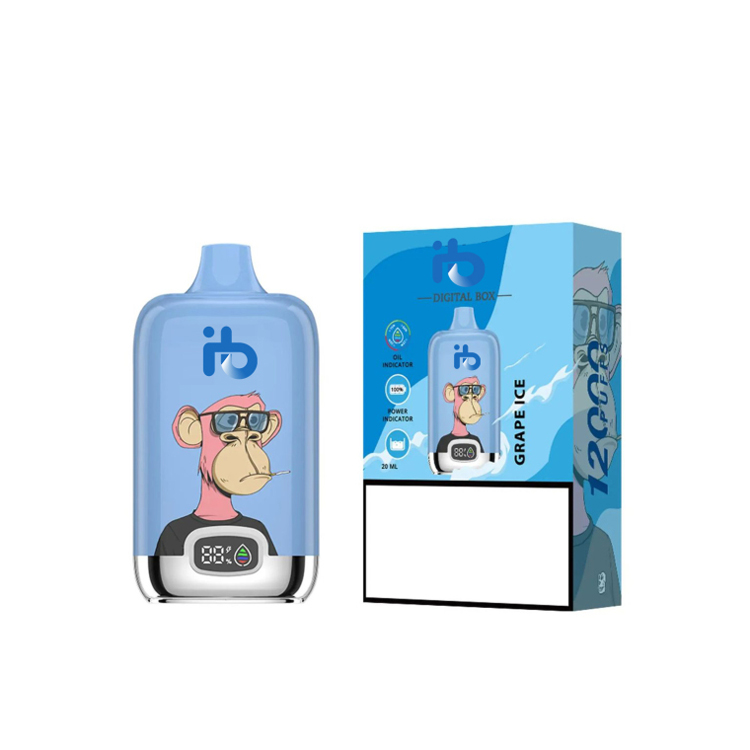
E-cigarettes are devices that allow a person to inhale nicotine or other substances in the form of vapor, rather than smoke. They typically consist of a battery, a heating element, and a container for liquid, which turns into the vapor when heated. However, despite their rising popularity worldwide, the regulations surrounding these devices can vary significantly by region.
Japanese Regulation of E-Cigarettes
The government in Japan distinguishes between types of e-cigarettes, mainly focusing on whether the e-liquid used in these devices contains nicotine. Unlike many countries where e-liquids are commonly sold with nicotine, Japanese laws are stricter.
In Japan, any liquid containing nicotine is treated as a pharmaceutical product and requires Medicines Act approval. This means that devices using nicotine-containing e-liquids are heavily regulated and cannot be freely sold or distributed without proper authorization.
Non-Nicotine E-Cigarettes
On the other hand, e-cigarettes that use non-nicotine liquids are widely available in Japan. These products are not subject to the same stringent pharmacy laws, allowing for easier access across various retail outlets. This differentiation has made non-nicotine vapes more prevalent among consumers seeking alternatives to smoking while complying with local laws.
The Role of Heat-Not-Burn Products
Heat-not-burn (HNB) products represent another significant segment of the market in Japan. Unlike traditional e-cigarettes, HNB devices do not vaporize liquid. Instead, they heat tobacco to a point where it releases nicotine without burning the tobacco leaf. These products are legally available in Japan, and their consumption has been endorsed by several tobacco companies as a reduced-risk alternative to smoking.
HNB products have gained unique popularity and are widely available. Leading brands have tailored their marketing to highlight the potential lesser hazards compared to conventional smoking.
The Impact of Regulation on Tourism
When visiting Japan, travelers should be informed of these regulatory nuances. An unsuspecting tourist might face challenges bringing their preferred e-cigarette products into the country, especially those containing nicotine. It’s always advisable to contact Japanese authorities or consult with embassies regarding current regulations before traveling.

The Ministry of Health, Labor, and Welfare offers guidance on the importation and use of e-cigarette devices.
E-Cigarettes vs. Traditional Tobacco
Despite differing global opinions, the Japanese government has remained cautious about the promotion and use of nicotine products. Traditional tobacco taxes are high, encouraging consumers to seek alternatives. However, regulatory bodies continue to examine the health implications of vaping and e-cigarette products.
Conclusion
Navigating the legality of e-cigarettes in Japan entails understanding the distinction between nicotine-containing and non-nicotine products. With stringent regulations in place, especially for nicotine liquids, individuals are encouraged to verify the legality of their products within Japan’s specific legal framework. This approach ensures compliance and promotes informed usage.
FAQ
- Can I bring e-cigarettes to Japan?
Travelers may bring non-nicotine e-cigarettes. However, those containing nicotine might require specific importation approvals.
- Are there any penalties for using illegal e-cigarettes?
Using or distributing e-cigarettes with unauthorized nicotine liquids can lead to penalties under Japanese law.
- Where can I purchase e-cigarettes in Japan?
Non-nicotine e-cigarettes are available in electronic stores and some convenience stores, while nicotine products face restrictions.