Delving into the Components of an E-Cigarette
E-cigarettes have become increasingly popular as an alternative to traditional smoking. Understanding what is in an e-cigarette is crucial for both users and those interested in the health implications. This article explores the core components that make up this revolutionary device.
Basic Structure of an E-Cigarette
An e-cigarette is composed of a few primary parts, each playing a vital role in its operation:
- Battery: The power source of the e-cigarette, usually rechargeable and lithium-ion based, powers the atomizer to heat the e-liquid.
- Atomizer: This component is heated by the battery and vaporizes the e-liquid, turning it into inhalable vapor. It consists of a coil and wicking material that absorbs the liquid.
- E-Liquid: Also known as vape juice, this liquid typically contains nicotine, propylene glycol, vegetable glycerin, and flavorings. It is stored in the e-cigarette’s tank or cartridge.
- Mouthpiece: The part where users inhale the vaporized e-liquid. It comes in various shapes and materials to suit user preferences.
- Sensor: In automatic e-cigarettes, a sensor activates the atomizer upon inhalation, eliminating the need for a button.
Composition of E-Liquid
Often termed as the heart of an e-cigarette, e-liquid is a crucial component. Its composition includes:
- Nicotin: Deals with the craving factor for those transitioning from conventional smoking.
- Propylene Glycol (PG): A substance that delivers flavor effectively and creates a throat hit similar to smoking.
- Vegetable Glycerin (VG): Known for generating thick vapor clouds, VG adds sweetness to the e-liquid.
- Flavorings: May range from tobacco and menthol to fruit and confectionary flavors, these are food-grade flavor additives.
How Each Component Functions Together
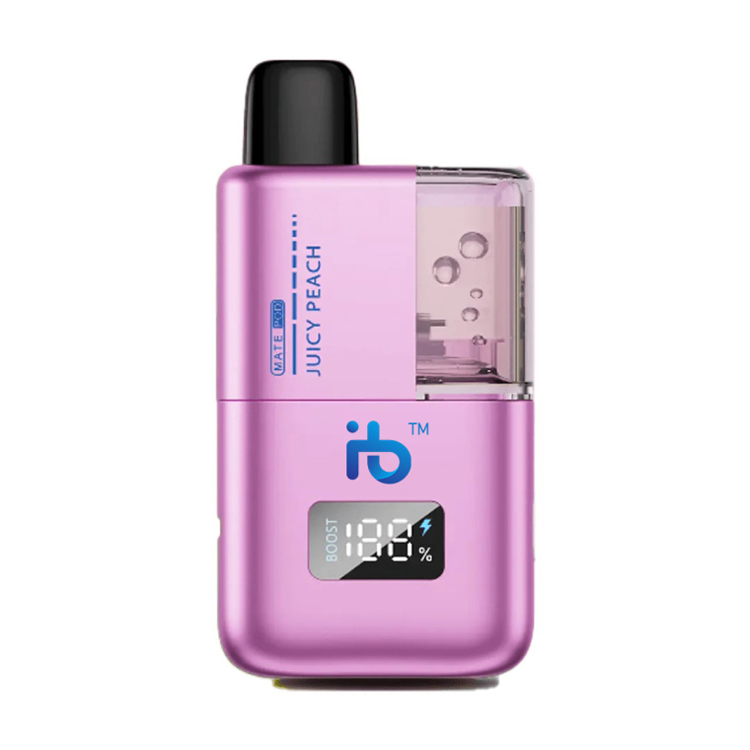
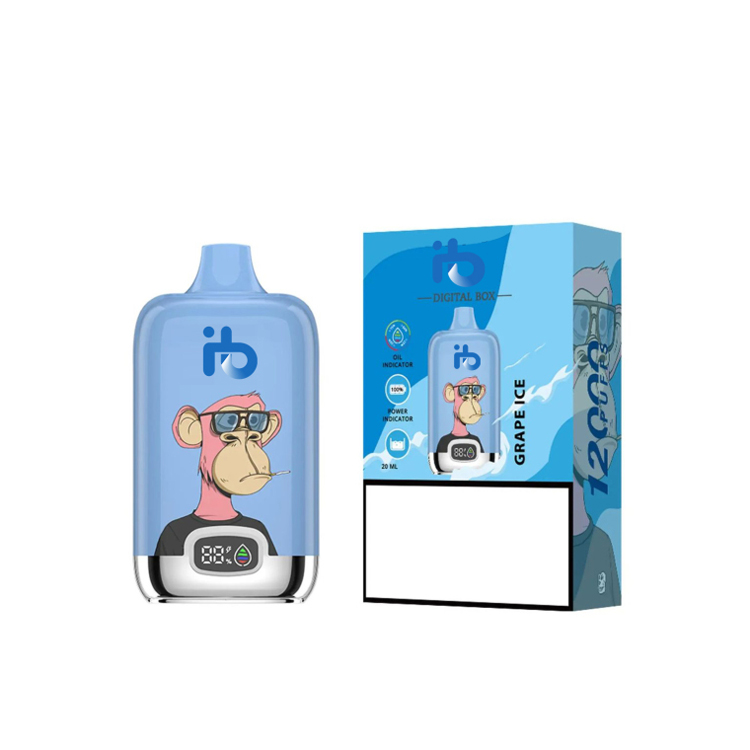
Understanding how each component works in harmony is essential. The battery energizes the atomizer, which in turn heats the coil and vaporizes the e-liquid absorbed by the wick. The user inhales this vapor through the mouthpiece, often activated by either a button press or inhalation.
Health Considerations and Regulations
While e-cigarettes offer an alternative to smoking, it is important to consider health risks. The presence of nicotine can lead to addiction, and while PG and VG are generally considered safe, the long-term effects of inhaling these substances are still under study. Regulations vary globally, affecting availability and marketing tactics.
Conclusion
Understanding what is in an e-cigarette sheds light on its mechanism and the potential impact on health. Its components – each significant on their own – come together to offer an alternative to traditional smoking.
FAQs
Q: Are e-cigarettes safer than traditional cigarettes?
A: While e-cigarettes lack many harmful combustion products found in traditional cigarettes, health risks associated with nicotine and other additives remain.
Q: Can e-cigarettes help quit smoking?
A: Some users have successfully used e-cigarettes as a step towards quitting, although data varies. Consulting with healthcare professionals is recommended.
Q: What flavors are available for e-liquids?
A: E-liquids come in an extensive range including tobacco, menthol, fruit, and dessert flavors, catering to diverse preferences.