When considering switching from traditional smoking to using e-cigarettes, one question often arises: how many puffs on an e-cigarette equal one traditional cigarette? This comparison can be essential for smokers hoping to replicate their nicotine intake or gradually transition to vaping as an alternative. To effectively answer this query, we need to delve into various aspects such as the nicotine content in both products, the frequency and duration of puffs, and the varied vaping habits amongst individuals.
Nicotine Content: Cigarettes vs. E-Cigs
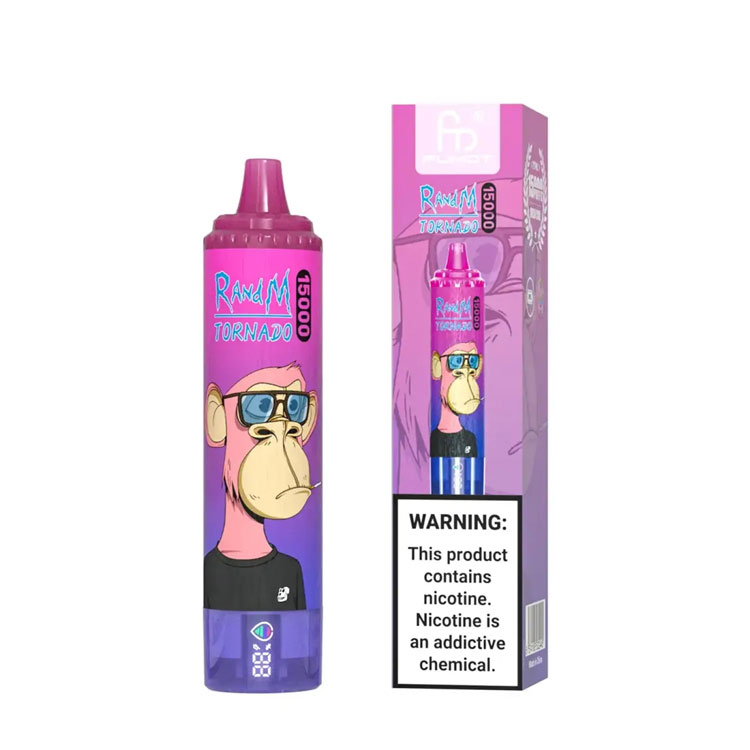
Cigarettes usually have a defined amount of nicotine, although this can vary greatly depending on the brand and type. On average, a cigarette might have about 10-12 mg of nicotine, but not all of this nicotine is absorbed by the smoker. Studies suggest that a smoker may absorb 1-2 mg of nicotine per cigarette consumed. In contrast, e-cigarettes vary wildly in their nicotine concentration due to differing cartridge strengths and formulations, ranging from 0 mg (nicotine-free) to about 36 mg per milliliter. This range offers flexibility to suit different preferences, making comparisons more complex.
Determining the Exact Puff Count
A typical cigarette might be consumed in roughly 10-15 puffs depending on the smoker’s style, while vaping can vary much more. It’s assumed that one milliliter of e-liquid can equate to approximately 100-200 puffs, meaning if a user vapes a 12 mg/ml strength, they could receive roughly the same nicotine as they would from smoking a cigarette. However, consumer reports and studies have shown this figure is highly dependent on the e-cigarette model and user behavior.
The duration and depth of inhalation play significant roles in nicotine absorption, and these can differ sharply between devices and individual usage styles.
Exploring User Habits
Vaping behaviors differ for each person, influenced by device type, personal habits, and nicotine preferences. For example, a heavy smoker might take deeper and more frequent puffs compared to a social smoker. The design of the e-cigarette also impacts how much nicotine is delivered per puff. Devices with higher output wattage or adjustable airflow settings may deliver nicotine more efficiently, altering the puff-to-cigarette equivalent ratio.
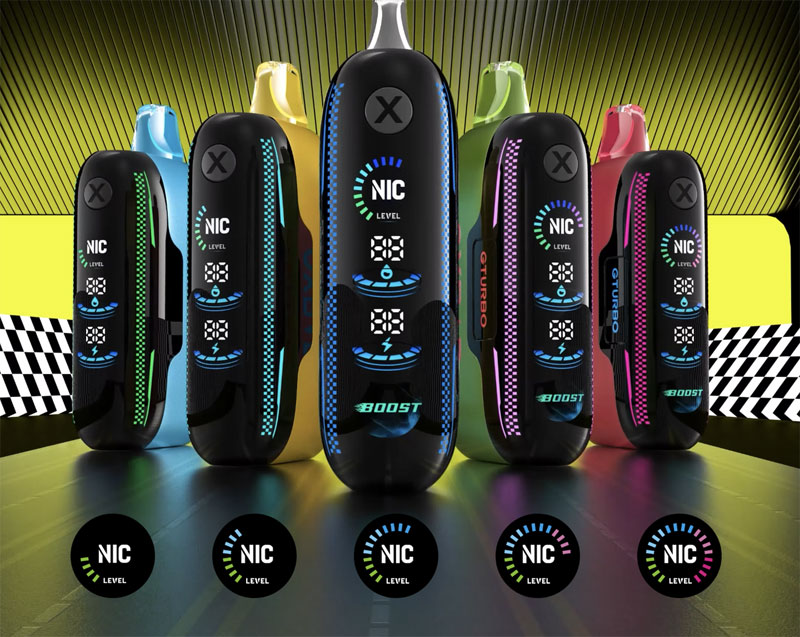
- Device wattage and coil resistance
- E-liquid nicotine concentration
- Inhalation style and duration
- Personal smoking habits
Frequently Asked Questions
Q1: Can vaping help one quit smoking?
Many individuals use vaping as a tool to reduce smoking dependency, gradually lowering nicotine levels. However, quitting smoking involves more than just switching devices; it requires willpower and possibly support systems.
Q2: How can one measure their puff count accurately?
Many modern e-cigarettes have puff counters, aiding users in keeping track. Alternatively, estimating based on usage frequency and e-liquid consumption offers a rough guide.
Q3: Are there health implications to switching from cigarettes to e-cigs?
While vaping is generally considered less harmful than smoking, it’s not without risks. Continued research is necessary to fully understand long-term effects and health outcomes.
In conclusion, determining how many puffs on an e-cigarette equal a traditional cigarette involves understanding factors like nicotine content, device type, and user habits. Smokers looking to switch should consider both the qualitative and quantitative aspects to achieve a smoother transition. Adapting vaping habits to match desired nicotine intake may significantly benefit users in their journey towards reducing cigarette consumption.