When planning to travel by air, understanding how many e-cigarettes you can take on a plane is crucial to avoid any inconvenience at airport security. The increasing popularity of e-cigarettes and vaping devices leads many travelers to wonder about the regulations surrounding these items. Knowing the rules not only ensures a smooth security check but also lets you enjoy your journey without unexpected surprises.
Understanding Airline Regulations
Airlines and airports have specific guidelines regarding electronic cigarettes and vaping devices. Generally, e-cigarettes are not allowed in checked baggage, but they can be carried in your hand luggage. This restriction stems from safety concerns over lithium batteries, which power most vaping devices. Lithium batteries are prone to overheating and can potentially ignite, posing a threat to aircraft safety. Therefore, always keep your e-cigarette and its components in your carry-on bag.
Safety First: Why The Rule?
The rationale behind strict airline regulations is safety. Lithium-ion batteries, commonly found in e-cigarettes, have been linked to incidents of overheating and fire if not adequately managed. Airlines aim to mitigate these risks by controlling how you transport such items. Hence, carrying e-cigarettes in carry-on luggage enables easy access and swift response should an issue arise.
Quantity Limits: How Many E-Cigarettes?
While guidelines specify that e-cigarettes must be carried on board, the limits on quantity can vary from one airline to another. Some airlines enforce a policy allowing passengers to carry a reasonable amount for personal use, while others might have a more defined limit. Typically, passengers are permitted to bring enough supplies to last the duration of the trip. It’s advisable to check with your specific airline for precise details on the number of devices you can carry and any additional restrictions.
- Check the airline’s policy directly before your flight.
- Inform yourself about TSA regulations if you’re flying in or to the U.S.
- Travel with only the necessary vaping supplies to avoid excessive scrutiny.
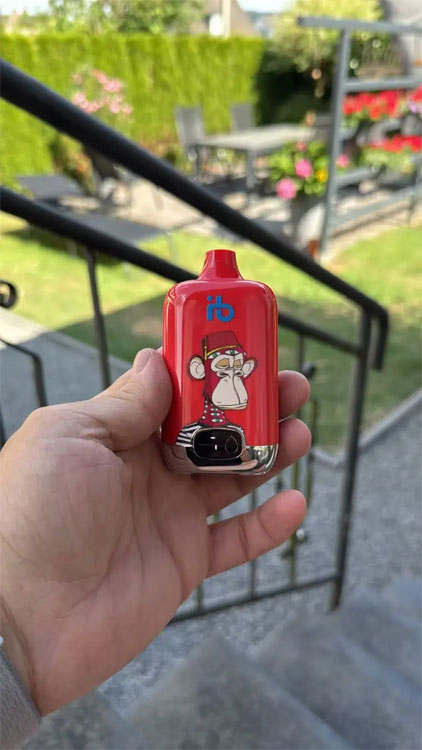

Besides regulations on the number of devices, consider restrictions on e-liquid quantities. Generally, e-liquids fall under the purview of liquids in carry-on bags, which mandates containing them within bottles not exceeding 100 ml and packing them in a transparent, quart-sized bag with other liquids.
Packaging Tips
Proper packaging can prevent accidental activation or leakage. Keep your devices powered off and store them in a manner preventing inadvertent discharge. Utilizing dedicated travel cases designed for vaping equipment can offer added safety and organization.
Moreover, special considerations are necessary if you’re traveling internationally. E-cigarette regulations can widely differ between countries. Research the destination’s vaping laws to avoid legal complications upon arrival. Some countries impose stringent restrictions or outright bans on vaping-related products, so verify these aspects to ensure compliance.
FAQs About Traveling with E-Cigarettes
Q: Can I vape during the flight?
A: No, airlines strictly prohibit vaping or smoking of any kind while on board.

Q: Are spare batteries allowed?
A: Spare batteries can be carried in carry-on luggage with protective caps to prevent short circuits.
Q: What if my e-liquid exceeds 100 ml?
A: You should consider separating them into smaller bottles to conform to TSA liquid regulations, ensuring no delays or confiscations.
Conclusively, preparing adequately by understanding the rules regarding how many e-cigarettes you can take on a plane contributes to a hassle-free travel experience. Always stay updated on airline and destination regulations to prevent any unforeseen challenges during your trip.